
A homemade hair soap bar sounds like the ultimate “clean routine” win: simple ingredients, less packaging, and that satisfying, old-fashioned bar-in-the-shower vibe. And honestly? For a lot of people, the first few washes are amazing.
Then the honeymoon ends. Hair starts to feel dull, tangly, or weirdly coated-like it’s clean, but not clean-clean. If you’ve ever wondered why a DIY bar can go from “miracle” to “what happened to my hair?” in a matter of weeks, the answer isn’t your imagination. It’s chemistry.
First, a key distinction: “hair soap” isn’t the same thing as a shampoo bar
Most homemade “shampoo bars” are actually true soap bars. They’re made by a process called saponification, where oils react with lye to form soap. That type of cleanser behaves very differently on hair than a modern shampoo cleanser.
NOT SURE WHICH PRODUCT IS RIGHT FOR YOU?
TAKE THE QUIZTakes 30 seconds · 134,000+ customers matched
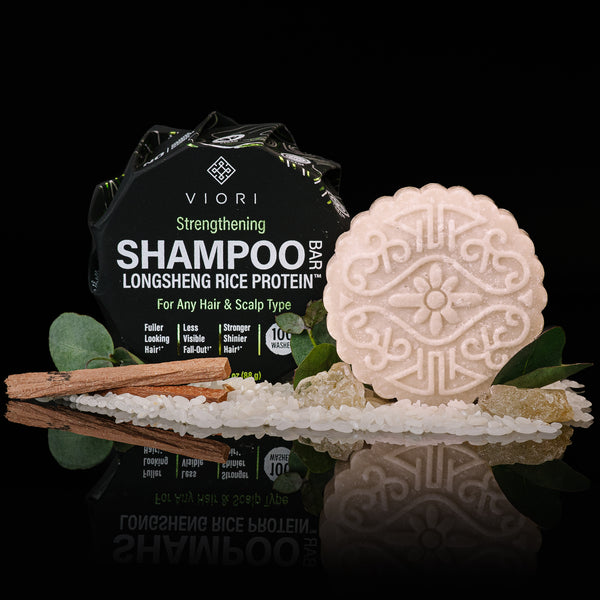
A true shampoo bar (like Viori) typically uses hair-appropriate cleansing agents-one common example is Sodium Cocoyl Isethionate (SCI), a mild cleanser often used in solid shampoo formats. Viori’s bars are also designed to be pH balanced, which matters more than most people realize.
The part most posts skip: what alkaline cleansing does to the cuticle
You’ve probably heard the quick version: “soap is alkaline, hair likes acidic.” True, but the real issue is what happens mechanically to the hair fiber.
Your hair’s outer layer (the cuticle) is made of overlapping “shingles.” In a more alkaline environment, those shingles can lift slightly. That leads to higher friction, more snagging, and that rough, not-so-touchable feel-even when the hair is technically clean.
- More tangles because strands catch on each other more easily
- More frizz because the surface is less smooth
- Less shine because light doesn’t reflect evenly off a rough cuticle
- More breakage risk during detangling because friction is higher
The rarely discussed culprit: mineral buildup that behaves like “hair soap scum”
Here’s the detail that almost never gets explained clearly online: the biggest long-term issue with a homemade hair soap bar often isn’t just pH-it’s what happens when soap meets hard water.
If your water contains lots of calcium and magnesium (hard water), those minerals can react with soap and form insoluble deposits. Over time, that buildup can cling to the cuticle and settle into rough spots-especially on porous, highlighted, or heat-stressed hair.
That’s when you start hearing the classic complaint: “My hair feels waxy, but also dry.” It’s not a contradiction. It’s a coated cuticle that can’t behave like a smooth cuticle.
Why “superfatting” can backfire on hair
Many DIY soap recipes are formulated with extra oils left behind for gentleness (often called superfatting). On skin, that can feel lovely. On hair, it can get messy fast.
Those leftover oils can cling to the hair shaft, mix with minerals, and create a film that’s stubborn to rinse away-especially if your water is hard or you use styling products. Fine hair can go limp. Curly hair can lose bounce. Roots can feel greasy while ends feel rough.
Are acid rinses the solution?
An acidic rinse can help in some cases because it may temporarily smooth the cuticle and improve slip. But it’s not a magic eraser.
If the cleansing step is repeatedly alkaline, and deposits are building week after week, an occasional rinse may not keep up-especially if oils and minerals have layered into a more complex film. And if you overdo acidity, some scalps will let you know quickly.
Who tends to do well with a homemade hair soap bar (and who usually doesn’t)
There are absolutely people who can use soap on hair and be happy. The key is matching the method to the hair and the water.
Soap bars tend to be more forgiving for:
- Short hair
- Virgin hair (not bleached or heavily colored)
- Lower-porosity hair
- Soft water households
- Minimal styling product use
Soap bars tend to be less forgiving for:
- Highlighted or bleached hair
- Long hair (more length = more friction and tangling)
- High-porosity hair
- Sensitive, dry, or reactive scalps
- Hard water households
If you love the bar concept, here’s the technique that protects your hair
No matter what bar you use, friction matters. If you’re rubbing a bar directly on your scalp and lengths, you’re creating more mechanical wear than you think-especially at the crown and around the hairline.
WHAT CUSTOMERS ARE SAYING
Real reviews for Hidden Waterfall Barra de Champú
- Lather in your hands first instead of scrubbing the bar directly on the hair.
- Apply with your fingertips and focus cleansing on the scalp.
- Let the suds rinse through the lengths rather than aggressively washing mid-lengths and ends.
- Condition after washing to reduce friction and help the cuticle lie flatter.
Why many people switch from “soap bars” to true shampoo bars
If your goal is a low-waste routine but you want consistent hair results, a true shampoo bar is often the sweet spot. The format is still a bar, but the cleansing system is built for hair fiber behavior-and ideally stays in a hair-friendly pH range.
That’s one reason people gravitate toward bars like Viori: they’re formulated to be pH balanced and use hair-supportive ingredients like fermented Longsheng rice water in a concentration designed to deliver benefits without disrupting scalp and hair balance. (Viori specifically notes that very high concentrations of rice water used too often can interfere with pH.)
The takeaway
A homemade hair soap bar usually doesn’t “suddenly stop working” for no reason. More often, two things stack up over time: cuticle roughness from alkaline cleansing and mineral/oil deposits that cling to the hair. That’s the recipe for the classic waxy-yet-dry feeling.
If you want, tell me your hair history (virgin or color-treated), your scalp type (oily/normal/dry), and whether you have hard water. I can help you pinpoint whether a soap-based bar is likely to play nicely with your hair-or whether a pH-balanced bar approach (like Viori’s) will give you the results you were hoping the DIY route would deliver.


