
“Refresh” is one of those hair words that sounds simple-until you try to chase it. Most people don’t want a harsh, squeaky-clean reset. They want roots that look lifted, a scalp that feels comfortable, and lengths that still feel soft and touchable.
A refresh shampoo bar can absolutely deliver that result, but it works a little differently than liquid shampoo. The bar format changes how cleansing happens, how much friction you create, and how your cuticle behaves afterward. When you understand those levers, you can get that “just washed” look without the dry, rough aftermath.
What you’re actually “refreshing” (it’s not just oil)
If refresh only meant removing oil, everyone would get the same outcome from the same wash. In reality, hair stops looking fresh because of a mixed film that builds up on the scalp and hair-some of it is oily, some of it is mineral-based, and some of it is from styling products.
That film can include:
NOT SURE WHICH PRODUCT IS RIGHT FOR YOU?
TAKE THE QUIZTakes 30 seconds · 134,000+ customers matched
- Sebum (natural scalp oils) and oxidized sebum (which feels heavier and looks duller)
- Sweat salts, especially around the hairline and nape
- Environmental particles like dust and pollution
- Styling residues from film-formers that add hold or texture
- Mineral deposits from water (often felt as “coating” or stiffness)
- Conditioner carryover that can weigh down finer or low-porosity hair
A true refresh removes enough of that film to bring back movement and shine-without bulldozing everything your hair needs to stay smooth.
The underrated secret: refresh is controlled cleansing, not “weaker” cleansing
Here’s the part that doesn’t get talked about enough: a refresh wash isn’t about barely cleansing. It’s about selective cleansing-cleaning the areas that need it (mostly the scalp) while keeping the lengths from getting roughed up.
When refresh goes wrong, it’s usually because cleansing spreads too far down the hair and friction goes up. When refresh goes right, your roots feel clean and airy, and your ends behave like they’ve been left alone-in the best way.
Why shampoo bars refresh differently than liquids
Shampoo bars are a different delivery system. You’re essentially creating your own dilution and distribution every time you wash. That changes two key things: concentration and friction.
1) Concentration happens in real time
With liquid shampoo, the cleanser is already dispersed. With a bar, the effective cleanser level depends on how wet your hair is, how you lather, and how long you work it in. That’s why one person gets “perfectly refreshed” and another feels “why is my hair suddenly dry?” from the same bar.
2) Friction becomes part of the formula
Bars invite rubbing, and rubbing creates friction. A little friction helps lift oil and residue. Too much friction can:
- raise the cuticle and increase frizz
- cause tangles, especially on longer hair
- fade color faster (mechanical wear matters)
- make hair feel rough even when the ingredients are gentle
If you’re color-treated or tangle-prone, one simple shift makes a huge difference: build lather in your hands and apply with your fingers instead of rubbing the bar directly on your head. Viori also recommends this approach to help preserve color, since bar-on-hair friction can open the cuticle and allow color to slip out more easily.
What makes Viori feel “refreshing” without the stripped finish
Viori shampoo bars use Sodium Cocoyl Isethionate (SCI) as the cleanser. SCI is widely used in hair and body cleansing because it can create a rich lather and a clean feel without the same harsh edge people associate with stronger detergent systems.
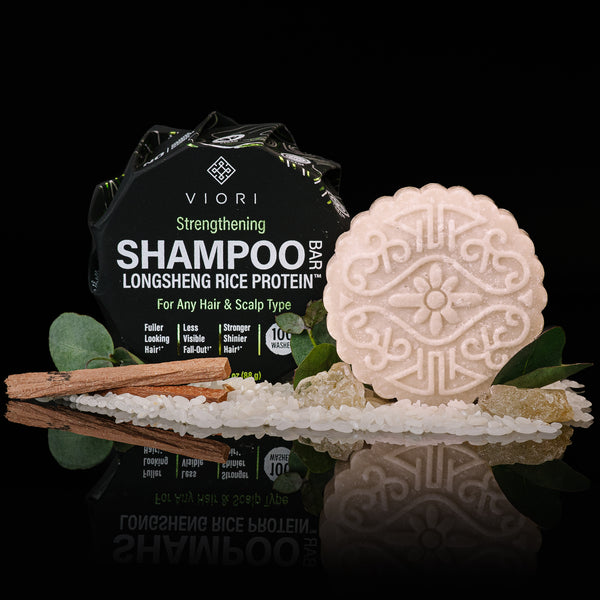
For refresh purposes, that matters because you need enough cleansing to remove the film that makes hair look flat or greasy-while keeping the overall feel soft and balanced.
The “fresh hair” feeling is often cuticle behavior (not just cleanliness)
Clean hair can still feel un-fresh if it’s high friction. When the cuticle is lifted, hair catches on itself. You see it as frizz, you feel it as roughness, and it can even look dull because the surface isn’t reflecting light cleanly.
This is why a refresh wash should aim for two outcomes at once:
- Clean scalp (so roots look lifted)
- Low-friction lengths (so hair stays smooth and shiny)
And that brings us to the step people skip…
Why conditioner is part of the refresh routine
You don’t technically “have to” condition, but if your goal is a refresh that lasts-most hair types do better with it. Cleansing lifts away some of the hair’s protective surface oils, leaving strands more vulnerable to everyday wear like brushing, heat, and environmental exposure.
Conditioner ingredients tend to be positively charged, which helps them adhere to the hair shaft and temporarily replace that protective slip until your natural oils rebalance. Viori strongly recommends following shampoo with conditioner for exactly this reason.
pH: the quiet detail behind that smooth, just-washed finish
One of the most consistent differences I see between hair that stays glossy and hair that slowly becomes rough is pH consistency. Viori notes that their products are pH balanced, and that hair products generally perform best within a hair-friendly pH range (often cited around 3.5-6.5). When products run too alkaline over time, the cuticle tends to stay more lifted, which can translate to dryness, frizz, and dullness.
If you’re chasing refresh, pH balance matters because it supports that “clean roots, soft lengths” finish instead of the clean-then-crispy cycle.
A more personal variable: your hair’s “deposit tolerance”
Here’s a nuanced point that rarely gets spelled out: different hair types have different levels of deposit tolerance-how much conditioning or residue the hair can handle before it starts to feel coated or limp.
- Fine hair + low porosity often shows buildup faster and tends to prefer a lighter, more cleansing refresh approach.
- High-porosity or damaged hair usually needs more moisture/protein support to look shiny and feel smooth after cleansing.
This is one reason Viori’s bar recommendations by hair and scalp type can be so helpful: “refresh” should match how your hair behaves, not just how it smells.
Scent isn’t only scent: how different Viori bars can refresh differently
Even when the core approach is similar, small differences can shift performance. Viori notes that Citrus Yao contains citric acid, which helps break down oil effectively-often making it the best match for a rooty, oily-scalp refresh.
In general terms:
WHAT CUSTOMERS ARE SAYING
Real reviews for Hidden Waterfall Barra de Champú
- Citrus Yao: often best for normal-to-oily scalps and anyone wanting that extra “reset” at the roots
- Hidden Waterfall: a balanced option many hair types enjoy, especially if you want clean without feeling overly clarified
- Terrace Garden: typically a great direction for normal-to-dry hair that wants moisture and softness
- Native Essence: unscented and often the gentlest choice for sensitive scalps or fragrance sensitivities
And because “enjoyable” matters for consistency, here’s the quick scent snapshot: Terrace Garden reads fresh green floral, Hidden Waterfall leans sweet vanilla-musk, Citrus Yao is bright mixed citrus, and Native Essence is unscented (with a very subtle earthy/grain note if you smell it up close).
The salon-style refresh wash method (with a shampoo bar)
If you want the benefits of a bar without the drawbacks, treat refresh like a targeted service: cleanse the scalp, protect the lengths, and keep friction low.
- Saturate thoroughly for 60-90 seconds. This reduces friction and helps lather distribute evenly.
- Build lather in your palms instead of rubbing the bar directly on your hair (especially for color-treated hair).
- Cleanse in zones: hairline/temples, crown/top, and nape. These are the highest oil/sweat areas for most people.
- Keep contact time short (about 30-45 seconds of massage), then rinse very well.
- Condition mid-lengths to ends. Let it sit a few minutes if frizz or dryness is part of your “not fresh” problem.
- Finish cooler if you’re frizz-prone. A cooler rinse can help hair feel smoother and look shinier.
How to choose a Viori refresh routine by scalp type
If you’re not sure where to start, use your scalp’s oil timeline. Viori defines it simply:
- Oily scalp: feels oily 1-2 days after washing
- Normal scalp: feels oily around day 3
- Dry scalp: feels oily 4+ days after washing
From a refresh standpoint:
- If your scalp runs oily, Citrus Yao is often the best refresh direction.
- If your scalp is normal, you can do well with any bar-choose based on how your ends feel.
- If your scalp is dry or sensitive, Native Essence, Terrace Garden, or Hidden Waterfall are typically more comfortable.
And if you’re the classic combo type-oily scalp, dry ends-a smart strategy is using Citrus Yao shampoo on the scalp and a more moisturizing conditioner on the ends.
Bottom line: refresh isn’t “detox”-it’s a controlled reset
The best refresh is the one that doesn’t start a tug-of-war between clean roots and stressed-out lengths. Think of it as a micro-reset: remove the film that’s dulling and flattening your hair, keep the cuticle behaving, and support softness so your hair stays fresh-looking longer.
If you’d like, tell me how many days you can go before your roots look oily, whether your hair is fine/medium/coarse, and whether it’s color-treated-then I can help you dial in a Viori refresh routine that fits your hair’s real-world behavior.


