
“Vegan.” “Organic.” “Shampoo bar.” Those three words look great on a label-and I understand why. Most of us want fewer harsh ingredients, less plastic in the shower, and hair that still looks like we actually know what we’re doing.
But here’s what I’ve learned after years behind the chair: a vegan organic shampoo bar isn’t one predictable thing. Two bars can both sound “clean,” yet one leaves hair glossy and bouncy while the other turns it into a grabby, tangled mess. The difference is rarely the buzzwords. It’s the chemistry, the pH, the way conditioner sticks to hair, and-this is the part almost nobody talks about-the friction you create when you use a bar.
What people usually mean by “vegan” and “organic” (and what hair cares about)
When clients ask me for a vegan organic shampoo bar, they’re usually asking for a bundle of benefits, not a technical definition.
- Vegan: no animal-derived ingredients
- Organic: plant-forward ingredients and “cleaner” sourcing (sometimes with an expectation of certification)
- Bar format: plastic-free, concentrated, travel-friendly, less waste
Your hair, on the other hand, cares about a different checklist: Does it cleanse without stripping? Does it condition without buildup? Does it keep the cuticle smooth? That comes down to formulation-not vibes.
NOT SURE WHICH PRODUCT IS RIGHT FOR YOU?
TAKE THE QUIZTakes 30 seconds · 134,000+ customers matched
Viori is built around that performance side of the equation. Their bars are 100% vegan, pH balanced, plastic-free, and silicone-free, and they’re made to support scalp comfort and hair manageability-not just “look natural” on paper.
The “organic” reality check: shampoo has to be engineered to work
This is where the internet gets a little oversimplified. Shampoo’s job is to remove oil, sweat, product residue, and pollution from hair and scalp. To do that well, it needs surfactants (cleansing agents). And in a solid bar format, you often need surfactants that are naturally derived but still carefully processed into a molecule that can clean effectively and rinse clean.
In other words, “organic” doesn’t automatically equal “better cleansing,” and “plant-based” doesn’t automatically equal “great hair feel.” The real win is a formula that’s gentle and effective.
Why a shampoo bar isn’t just “liquid shampoo without the bottle”
Liquid shampoo is mostly water. A bar is mostly active ingredients pressed into a solid. That one change affects nearly everything about the experience.
1) Bars depend on drying out between uses
A well-made bar can be more “self-preserving” because it dries out, which makes it less friendly to microbial growth. Viori notes that bars don’t need synthetic preservatives the way water-heavy liquids often do, and they can have a long shelf life when stored properly.
But there’s a practical catch: if your bar sits in a puddle or lives under direct shower spray, it stays soft, dissolves faster, and can behave inconsistently. Bar care isn’t optional-it’s part of the system.
2) Bars are concentrated, so dosing matters
Because bars are concentrated, it’s easy to apply more than you need-or apply unevenly. That can show up as squeaky-clean roots but rough lengths, or hair that feels heavy in certain spots. Technique matters more with bars than most people expect.
The part nobody talks about: friction science (and why it can make or break a bar)
Let’s get into the unique angle: tribology, the study of friction. Hair isn’t a smooth ribbon-it’s a fiber covered in overlapping cuticle layers, like shingles. When those “shingles” get roughed up, hair feels dull, frizzy, and tangly.
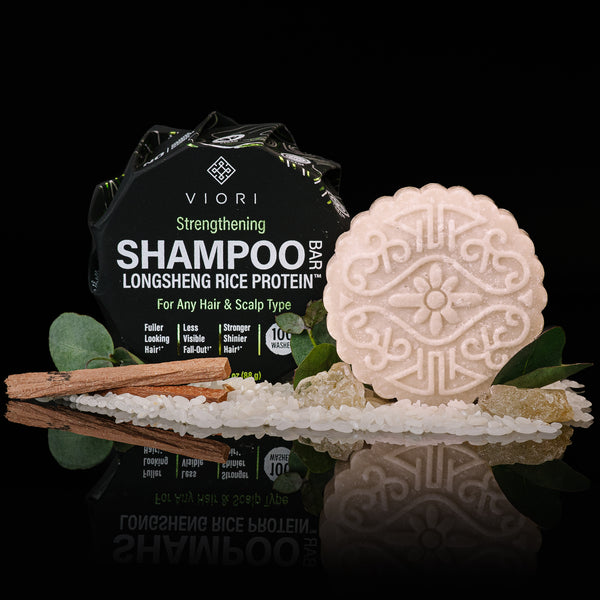
Here’s the key difference with bars: many people apply them by dragging a solid product down wet hair. That creates localized friction, which can lift and disturb the cuticle-especially on porous, lightened, curly, or color-treated hair.
Viori’s own guidance lines up with what I recommend professionally: build lather in your hands and apply it through your hair with your palms rather than rubbing the bar directly on your head. It’s a simple tweak that can dramatically reduce abrasion and help preserve hair color by minimizing friction.
pH: the silent dealbreaker for shampoo bars
If you’ve ever tried a bar that made your hair feel “clean but awful,” pH may have been the culprit. Hair generally performs best in a mildly acidic environment. When products run too alkaline, the cuticle can swell and lift, leading to:
- frizz that won’t quit
- dullness (less light reflection = less shine)
- tangles and roughness
- a dry feel that builds over time
Viori emphasizes that their bars are pH balanced. That’s not marketing fluff-it’s one of the biggest reasons a bar can feel like modern haircare instead of a throwback that your hair “tolerates.”
Vegan conditioning isn’t “just add oils”-it’s about charge and deposition
Conditioner doesn’t work because it’s “moisturizing.” It works because it deposits onto hair in a way that improves slip, reduces static, and helps the cuticle lie flatter.
Hair-especially damaged hair-often carries a negative charge. The most effective conditioning systems are typically cationic (positively charged) so they can bind where they’re needed.
Viori uses behentrimonium methosulfate as a conditioning ingredient. Even though the name includes “sulfate,” it is not the same as the harsh cleansing sulfates people are usually trying to avoid. Viori is clear that they do not use common cleansing sulfates like SLS/SLES/ALS. This ingredient is used for conditioning slip and manageability-exactly what most bar skeptics think is impossible in solid form.
Rice water-done in a way your scalp can actually live with
DIY rice water rinses get talked about like a miracle shortcut, but concentration and frequency matter. Viori explains they use a lower concentration of fermented Longsheng rice water because overly strong rice water can disrupt scalp and hair pH if used too often. Their approach is designed to support similar benefits in a more balanced, everyday-friendly routine.
They also point out why fermentation is interesting: it can increase compounds like inositol (vitamin B8) and panthenol (vitamin B5), which are commonly associated with strengthening and improved hair feel. In salon terms, the most believable “growth” win is often this: stronger hair + less breakage = you keep more length.
“Vegan” doesn’t automatically mean “gentle”: fragrance is the wildcard
One of the biggest misunderstandings I see is assuming vegan/natural/organic automatically means “non-irritating.” In reality, fragrance components-whether they come from essential oils or fragrance blends-are among the most common triggers for sensitive scalps.
If your scalp is reactive, Viori’s Native Essence (unscented) option is often the smartest starting point because it removes a major variable: added fragrance.
WHAT CUSTOMERS ARE SAYING
Real reviews for Hidden Waterfall Barra de Champú
How to pick the right Viori bar: go scalp-first, not “hair-type” first
If you want consistent results, choose based on how quickly your scalp oils up. Viori’s guidelines are simple and surprisingly accurate:
- Oily scalp: feels oily 1-2 days after washing
- Normal scalp: feels oily around day 3
- Dry scalp: feels oily 4+ days after washing
From there, Viori generally recommends:
- Citrus Yao for normal-to-oily scalps (it contains citric acid, which helps break down oil effectively)
- Terrace Garden, Hidden Waterfall, or Native Essence for normal-to-dry scalps where moisture support matters more
And if you’re the classic combo case-oily scalp with dry ends-a split routine is often ideal: cleanse the scalp with Citrus Yao, then condition the mid-lengths and ends with one of the more moisturizing conditioner options.
The technique that prevents the most complaints (and gets the best hair)
If someone tells me a shampoo bar “didn’t work,” nine times out of ten it’s not because bars are doomed-it’s because the technique didn’t match the physics of hair.
- Saturate your hair completely before shampooing (bars perform best on very wet hair).
- Lather in your hands instead of rubbing the bar directly onto your hair.
- Focus shampoo on the scalp; let the suds rinse through the ends.
- Rinse longer than you think-especially around the nape and behind the ears.
- Condition mid-lengths to ends, and give it a minute or two before rinsing.
That routine reduces friction, improves distribution, and gives you the clean-and-soft finish people hope for when they make the switch.
Bottom line: what makes a vegan “organic-feeling” shampoo bar truly great
The best bars don’t succeed because they’re trendy. They succeed because they’re engineered around the realities of hair and scalp:
- pH balance for a smoother cuticle and better shine
- effective but gentle cleansing that doesn’t leave hair squeaky
- smart conditioning deposition for slip, detangling, and manageability
- low-friction application that respects the cuticle
- scalp-type matching so you’re not over- or under-cleansing
- fragrance strategy (including unscented options for sensitive users)
If you want a bar routine that feels modern-not like a compromise-those are the boxes to look for. And they’re exactly the boxes Viori is aiming to check with vegan, pH-balanced bars designed to support scalp health and hair performance in the real world.


