
When people say they’ve found a “wow shampoo,” they’re usually not talking about a specific kind of bottle, bar, or trend. They’re describing a moment: you rinse, run your fingers through your hair, and everything feels different-cleaner at the roots, softer through the lengths, smoother, shinier, lighter.
As a stylist, I can tell you the “wow” isn’t magic. It’s mechanics. And once you understand what’s happening on the scalp and along the hair fiber, you can stop chasing random hype and start building a routine that reliably delivers that fresh-from-the-salon result.
Here’s the most honest, technical truth I can share: the “wow” feeling is a balance between cleansing power, wet-hair friction, conditioning deposit, and pH. Get that balance right for your scalp type and porosity, and you’ll feel it immediately-and you’ll keep feeling it.
First, let’s define what “wow” actually feels like
Most clients describe “wow shampoo” with the same handful of results. Some are scalp sensations, some are hair-fiber behavior, and they don’t always come from the same formula choices.
NOT SURE WHICH PRODUCT IS RIGHT FOR YOU?
TAKE THE QUIZTakes 30 seconds · 134,000+ customers matched
- A clean scalp that doesn’t feel tight, itchy, or squeaky-dry
- Soft lengths that don’t feel heavy or coated
- Noticeable shine (the kind that shows up in natural light)
- Less tangling while rinsing and towel-drying
- Hair that behaves on day two and three, not just right after styling
The problem is that many “wow” routines only deliver one piece of the puzzle-like intense cleansing-then quietly sabotage another part, like cuticle smoothness or scalp comfort.
The most overlooked driver of “wow”: wet-hair friction
Most articles talk about ingredients like it’s a simple checklist. In real life, the immediate shower experience is often ruled by something more physical: how much your wet hair grips itself.
When wet hair feels “grabby,” tangly, or squeaky, that’s usually a sign the cuticle is not lying flat-or it’s being roughed up during the wash. And that matters because high friction leads to more tangles, more breakage during detangling, and more frizz once dry.
What raises friction in the shower
- Cuticle lift from an unfriendly pH or overly aggressive cleansing
- Over-stripping (removing too much sebum too fast)
- Mechanical abrasion from rough application technique
- Uneven product distribution that leaves some areas squeaky and others coated
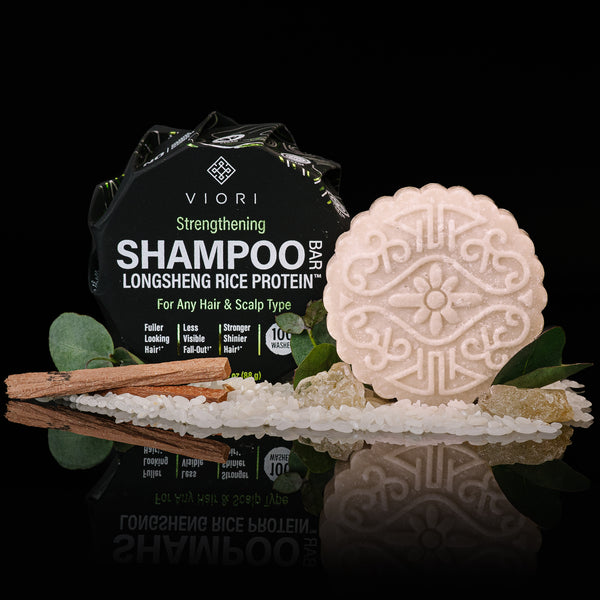
This is one reason Viori can feel so different for many people: Viori shampoo bars use Sodium Cocoyl Isethionate (SCI), a cleanser known for creating a rich lather while often feeling gentler than harsher cleansing systems. The goal isn’t just foam-it’s effective cleansing without that stripped, high-friction finish.
pH is the quiet “wow maker” most people never consider
If I could only fix one thing in most wash routines, it would be this: pH consistency. Hair performs best when products stay in an acidic-to-slightly-acidic range. When the pH drifts too high, the hair fiber swells and the cuticle edges can lift-meaning the surface becomes rougher.
That shows up as:
- More frizz and flyaways
- Dullness (light scatters off a rough surface instead of reflecting)
- More tangling and knotting
- Color that fades faster (especially when combined with friction)
Viori is formulated to be pH balanced, which is a big deal for anyone chasing that sleek, reflective, “healthy hair” look without relying on heavy coating.
Clean hair isn’t automatically “wow hair”: you need the right kind of conditioning deposit
Even a beautifully cleansing shampoo can leave hair feeling less than amazing if the lengths aren’t getting the right conditioning support. This is where the chemistry gets interesting.
Damaged areas of hair tend to carry more negative charge, especially on porous, color-treated, or heat-stressed lengths. Those spots are attracted to positively charged conditioning agents, which help reduce friction and improve detangling.
Viori conditioner bars include Behentrimonium Methosulfate (BTMS), a conditioning agent widely used in professional-quality formulas because it helps create:
- Better slip (less tugging during combing)
- Smoother feel through the mid-lengths and ends
- Improved manageability and reduced frizz
And just to clear up a common point of confusion: BTMS is a conditioning ingredient, not the type of harsh cleansing “sulfate” people worry about in shampoos.
The shine paradox: cuticle smoothness vs. temporary coating
Here’s a reality check that doesn’t get said often enough: shine doesn’t automatically mean healthy hair. Shine means the surface is reflective. You can get reflectivity in two very different ways.
Two paths to shiny hair
- True smoothness: the cuticle lies flatter and the surface is more uniform
- Surface film: a coating sits on top of the hair to create slip and gloss
Film can feel incredible at first, but it can also lead to buildup, limp roots, and that “my hair feels coated” complaint over time-especially on fine or low-porosity hair.
Viori bars are silicone free, so the “wow” effect tends to come more from cuticle-friendly pH, balanced cleansing, and conditioning slip rather than heavy gloss coatings. For many people, that translates to a lighter finish and cleaner movement.
The “wow killer” nobody warns you about: hard water plus bar technique
If you live in a hard-water area, your routine can be perfect on paper and still feel inconsistent. Mineral-heavy water can affect rinsing and deposition, and shampoo bars add another variable: how you apply them.
One of the biggest mistakes I see is rubbing a shampoo bar directly on the hair lengths like you’re scrubbing a stain out of fabric. That can create unnecessary friction-especially on color-treated or porous hair.
A more hair-friendly way to use Viori
- Wet hair thoroughly (give it a full minute-especially if your hair is dense).
- Lather the shampoo bar in your hands first.
- Apply lather to the scalp and cleanse with fingertips, not nails.
- Let the rinse water cleanse the lengths; don’t aggressively scrub mid-lengths and ends.
- Follow with conditioner focused from mid-lengths to ends.
This single change can dramatically improve softness, reduce tangling, and help protect color simply by lowering mechanical wear on the cuticle.
Scalp “wow” and length “wow” are not the same thing
Here’s where many people get stuck: they pick one product to do everything. But the scalp and the ends live in two different worlds. The scalp produces oil; the ends don’t. So it’s normal to need a slightly split strategy.
Viori makes this easier because the options align with different scalp needs:
WHAT CUSTOMERS ARE SAYING
Real reviews for Hidden Waterfall Barra de Champú
- Citrus Yao is often a favorite for normal-to-oily scalps, thanks in part to citrus components (including citric acid) that help break down oil.
- Terrace Garden and Native Essence tend to be go-to choices when someone needs a more moisturizing feel (Native Essence is also Viori’s unscented option).
- Hidden Waterfall can be a comfortable middle ground for many people with more balanced needs.
If you’re oily at the root but dry through the ends, a classic salon approach is to cleanse for the scalp and condition for the lengths-because that’s where the real dryness lives.
Protein, porosity, and the “wow…then why does my hair feel off?” problem
Sometimes a new routine feels amazing for a week or two, then your hair starts feeling stiff, heavy, or a little dull. Most people blame the product, but what I usually see is a mismatch between porosity, deposition, and sometimes hard water.
Viori uses a low concentration of rice protein designed to be safe for frequent use, which helps support strength and shine without pushing most people into that brittle feeling associated with too much protein.
Still, your porosity matters:
- High porosity hair often loves balanced protein and conditioning, but needs consistent moisture support.
- Low porosity hair can feel weighed down more easily if too much product deposits or if rinsing isn’t thorough.
How to tell if you’ve truly found your “wow shampoo”
If you want to evaluate your routine like a pro, skip the marketing promises and pay attention to these real-world signs.
- Wet feel after rinsing: silky is good; grabby suggests friction or cuticle stress.
- Scalp comfort an hour later: calm is the goal; tightness is a warning sign.
- Day 2-3 behavior: shine and bounce should last without greasy collapse or dull coating.
- Detangling over time: it should get easier week by week, not harder.
When those four boxes are checked, you’re not just getting a one-wash “wow”-you’re building a routine that supports the hair fiber and scalp long-term.
Want help dialing in your Viori “wow” routine?
If you tell me your scalp type (oily, normal, or dry), your hair texture (fine, medium, or coarse), whether it’s color-treated, and your porosity (low, medium, or high), I can point you toward a Viori routine and technique tweaks that usually make the biggest difference.


