
When people search for the “best organic shampoo,” they usually want one simple thing: healthier hair. Less breakage, less frizz, a calmer scalp, and that clean feeling that lasts longer than a day.
But here’s the salon truth after 20 years behind the chair: “Best” isn’t a single product you crown as the winner. It’s the shampoo system that matches your scalp’s oil pattern, respects your hair’s cuticle, and performs consistently over time.
That’s why most online “best of” lists feel so hit-or-miss. They focus on buzzwords and ingredient romance, while skipping the stuff that actually determines whether your hair looks shiny and behaves-or turns into a tangled, frizzy mess.
Why “Organic” Doesn’t Automatically Mean “Better”
Let’s clear up a common misconception: organic ingredients and great hair results aren’t the same thing. Organic sourcing can be meaningful (especially if sustainability matters to you), but it doesn’t guarantee a formula will be the right fit for your scalp or hair type.
NOT SURE WHICH PRODUCT IS RIGHT FOR YOU?
TAKE THE QUIZTakes 30 seconds · 134,000+ customers matched
Even very “clean” products can still cause problems if the formula is mismatched-think irritation on a sensitive scalp, buildup on low porosity hair, or dryness on hair that’s already compromised.
In other words, “organic” tells you something about how an ingredient may have been produced. It doesn’t tell you how your hair will feel on day two, how your ends will detangle, or whether your scalp will stay comfortable long-term.
The Real “Best Shampoo” Standard: pH + Cuticle Stability
If there’s one technical detail I wish more people understood, it’s this: your hair cuticle is everything. The cuticle is the outer layer of the strand-like shingles on a roof. When it lies flat, hair looks glossy and feels smooth. When it’s repeatedly lifted and roughed up, you see frizz, dullness, tangles, and breakage.
A major driver of cuticle behavior is pH. Hair tends to do best with products that are pH balanced. Formulas that lean too alkaline can encourage the cuticle to swell and lift, which increases friction and makes the hair more vulnerable over time.
Viori bars are made to be pH balanced, and that matters a lot more than most people realize. It’s one of the reasons a routine can feel good not just after the first wash, but after the twentieth.
Start With Your Scalp: The Oil-Timeline Test
The fastest way to stop guessing is to figure out your scalp type based on how quickly oil returns after washing. This is simple, but it’s also surprisingly accurate.
- Oily scalp: feels oily again in about 1-2 days
- Normal scalp: feels oily around day 3
- Dry scalp: feels oily after 4+ days (or not much at all)
Why does this matter? Because sebum (your natural scalp oil) isn’t the enemy. It’s protective. The goal is to cleanse thoroughly without pushing the scalp into stress-either from under-cleansing (buildup) or over-cleansing (barrier disruption).
The Cleansing System Matters More Than the “Pretty” Ingredients
A lot of shoppers scan for botanical oils and extracts and assume those are the main event. In professional terms, the real engine of a shampoo is the cleanser system-the surfactants that lift oil and debris.
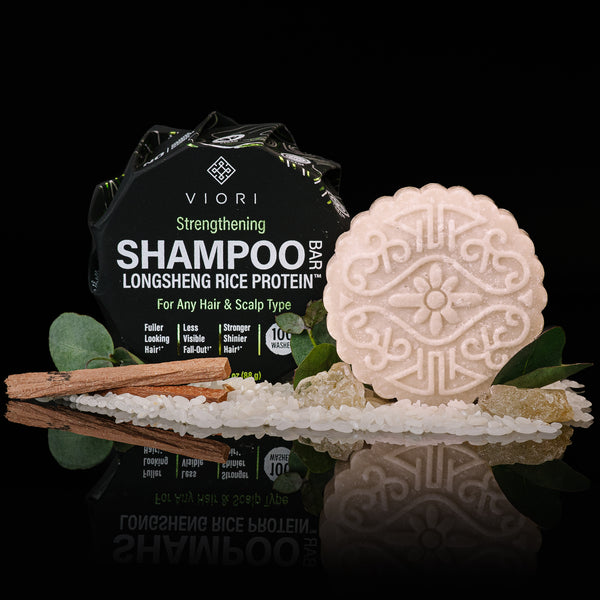
Viori uses Sodium Cocoyl Isethionate (SCI) as the cleanser in its shampoo bars. It’s widely known in haircare formulation as a mild, effective cleanser that can still create a satisfying lather without relying on harsher sulfate cleansers many people try to avoid.
Practically, that often translates to hair that feels clean but not “stripped,” and a scalp that’s less likely to feel tight or reactive after washing.
The Rarely Discussed Shampoo-Bar Variable: Friction
This is the part that almost never gets covered online, yet it can completely change someone’s results: with shampoo bars, your technique becomes part of the formula.
When you rub a bar directly onto your hair, you’re increasing friction and mechanical stress-especially through the mid-lengths and ends where hair is older and more fragile. That extra friction can lead to tangling, roughness, and (for some people) faster color fade.
Viori recommends a smarter approach: build lather in your hands and apply with your palms. That one adjustment can make bar washing feel dramatically more “salon.”
A simple, stylist-approved way to use a shampoo bar
- Soak hair thoroughly. More water = less friction.
- Rub the bar between your hands to create a rich lather.
- Apply the lather to your scalp first and massage gently.
- Let the suds rinse through the lengths; don’t aggressively scrub your ends.
- Repeat only if you truly need it (heavy product use, hard water, very oily scalp).
Protein + Porosity: Where “Best” Gets Personal
Here’s another nuance that gets oversimplified online: hair needs the right balance of strength and softness, and that balance depends heavily on porosity.
Viori notes it uses a low concentration of rice protein designed to be safe even for frequent use. That’s important because protein can be a game-changer for some hair types, but “more protein” isn’t always better.
- High porosity hair (often bleached, heat-stressed, or damaged) tends to absorb quickly but loses moisture easily, so it often benefits from balanced strengthening and conditioning.
- Low porosity hair can be more prone to buildup and can feel coated if products deposit too heavily, so it often does better with lighter, cleaner-feeling routines.
Viori’s formulas also include fermented Longsheng rice water and supportive ingredients referenced in its education materials, including inositol (Vitamin B8) and panthenol (Vitamin B5), both commonly associated with conditioning support and improved hair feel.
Residue Complaints: Not Always What You Think
When someone says an “organic” shampoo left residue, it’s often not about anything mysterious-it’s usually one of these practical issues:
WHAT CUSTOMERS ARE SAYING
Real reviews for Hidden Waterfall Barra de Champú
- Using too much product (bars are concentrated)
- Not rinsing long enough
- Hard water minerals interacting with product and sebum
- Too much heavy conditioning on fine or low porosity hair
Many Viori users report that the bars don’t weigh hair down or leave residue. In salon terms, that’s a strong sign the cleanse-and-condition balance is working the way you want it to.
Picking the Right Viori Bar (Without Overthinking It)
Viori’s bars share a consistent foundation, but the best match depends on your scalp’s oil production and sensitivity.
- Citrus Yao: often recommended for normal-to-oily scalps and oil control support
- Terrace Garden: typically a great direction for normal-to-dry scalps that want more moisture
- Hidden Waterfall: a flexible option that many people with normal hair enjoy
- Native Essence: unscented and a strong pick for fragrance sensitivity or very reactive scalps
If you’re the classic combination type-oily scalp, dry ends-consider “splitting the job”: focus shampoo where oil lives (the scalp), then focus conditioning where dryness lives (mid-lengths and ends).
How Long Should You Give a Shampoo Before You Judge It?
Some people notice a difference after one wash. Others need time for their scalp and lengths to settle into a new rhythm. Viori recommends giving the routine 2-3 months before deciding it’s not for you, and honestly, that’s a fair trial window if your goal is less breakage, healthier scalp comfort, and long-term shine.
My Real Definition of the “Best Organic Shampoo”
If you want the most useful, professional definition, here it is:
The best organic shampoo is the one that stays pH balanced, cleans effectively without stripping, doesn’t leave heavy residue, supports your hair’s strength without overload, and works with low-friction technique-especially in bar form.
That’s why a pH-balanced bar system like Viori, paired with the right technique and the right match for your scalp type, can outperform the trial-and-error approach that keeps most people stuck in the “almost, but not quite” cycle.


