
I'll never forget the moment a longtime client walked into my salon, pulled a shampoo bottle from her designer handbag, and asked with genuine excitement, "What do you think of this?"
The bottle was beautiful. The marketing copy was compelling. And it was being sold through a multi-level marketing structure-a business model that's always made me pause as a professional.
After two decades in the beauty industry, I've learned that the most important conversations aren't always the easiest ones. Today, I want to share what I've discovered about MLM shampoos, the science that actually matters for your hair health, and why the business model behind your hair care products affects more than you might think.
Let's Talk Chemistry First: What Your Hair Actually Needs
Before we dive into business models, let's establish the scientific foundation. Your hair doesn't care about marketing claims or compensation structures-it responds to chemistry.
The pH Factor That Changes Everything
Your hair and scalp maintain an optimal pH between 4.5 and 5.5. Think of this as your hair's "happy place." When products push that pH above 8.0, something crucial happens at the molecular level.
Picture your hair cuticle as overlapping roof shingles. When you use alkaline products, those shingles lift up. Once lifted, you're looking at:
- Progressive moisture loss as water escapes through the lifted cuticle
- Rapid color fade if you have treated hair
- Mechanical weakness that leads to breakage with normal styling
- Visible dullness because light scatters instead of reflects
Here's what most people miss: having good ingredients on a label matters far less than how those ingredients are delivered to your hair. It's like having premium gasoline in a car with a faulty fuel line-the quality means nothing if the delivery system fails.
The Uncomfortable Truth About MLM Product Development
I'm going to share something that might surprise you. This isn't about whether MLM products are "good" or "bad"-it's about understanding where your money actually goes.
Following the Money
Traditional retail beauty products typically break down like this:
NOT SURE WHICH PRODUCT IS RIGHT FOR YOU?
TAKE THE QUIZTakes 30 seconds · 134,000+ customers matched
- 15-25% goes to the actual product formulation and packaging
- 20-30% covers marketing and retail placement
- The remainder supports operational costs and profit
MLM structures look dramatically different:
- 40-60% must be allocated to multi-tiered commission payouts
- Significantly less remains for formulation research and ingredient quality
- Consumer prices increase to support the compensation structure
Let me be crystal clear: I've seen some MLM products that work reasonably well. But I've also watched talented, passionate consultants struggle to make returns while being encouraged to maintain expensive inventory. The model itself creates a conflict between product quality and profit structure.
What I Actually Look for in Professional Products
When clients ask me to evaluate their hair care, I bypass marketing language entirely and focus on performance metrics.
The Protein-Moisture Balance
Hair is like a high-performance rope-it needs both strength (protein) and flexibility (moisture). Too much of either creates problems.
Quality proteins need proper molecular weight to actually penetrate your hair's cortex. Rice protein, for instance, offers exceptional benefits:
- Film-forming properties that create smoothness without heaviness
- Rich amino acid content that supports repair at the molecular level
- Natural volumizing effects
But-and this is crucial-the protein must be properly hydrolyzed and formulated at the right concentration. Labels alone don't tell you this.
The Surfactant System: Your Hair's First Line of Defense
The cleansing agents in your shampoo matter enormously. I've repaired countless cases of damaged hair that started with harsh surfactants.
Gentle options like Sodium Cocoyl Isethionate (coconut-derived) cleanse effectively without stripping your hair's natural protection. Harsh sulfates-Sodium Lauryl Sulfate or Ammonium Lauryl Sulfate-do something different:
- Strip the scalp's protective lipid barrier
- Trigger your scalp to overproduce oil in compensation
- Cause sensitivity that compounds over time
- Fade color treatments at an accelerated rate
Your scalp isn't "too oily" or "too dry" by accident. Often, it's responding to what you're putting on it.
The Fermented Rice Water Revolution: Ancient Wisdom Meets Modern Science
Let me tell you about one of the most fascinating ingredients I've studied in my career: fermented rice water.
The Red Yao women of Longsheng, China, have maintained their remarkably long, healthy hair for generations using this traditional method. What caught my professional attention wasn't just the anecdotal evidence-it was understanding the science behind why it works.
What Fermentation Actually Does
When rice undergoes proper fermentation (7-10 days at controlled temperatures), something remarkable happens at the chemical level:
Inositol (Vitamin B8) increases dramatically. This compound actually penetrates damaged hair structure and repairs from within while protecting against future damage. We're not talking about surface coating-this is molecular repair.
Panthenol (Vitamin B5) concentration rises, attracting and binding moisture to improve elasticity. Hair that can flex doesn't break.
Amino acids multiply-these are the literal building blocks your hair uses to reconstruct keratin.
Antioxidants develop that protect against environmental stressors your hair faces daily.
The fermentation process itself matters. Rushed fermentation or improper temperatures don't create the same nutrient profile. This is where traditional knowledge outperforms modern shortcuts.
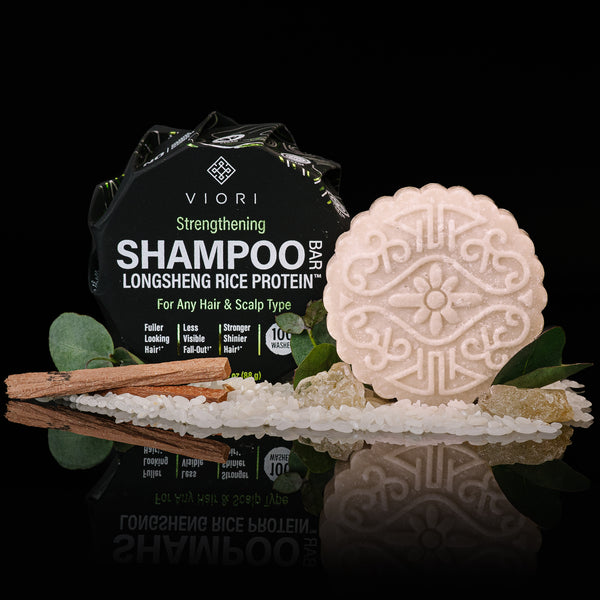
Why Viori Represents a Different Approach Entirely
When I first encountered Viori, I approached it with the same skepticism I bring to any new product line. What I discovered was a fundamentally different business model.
The B-Corporation Difference
Viori operates as a certified B-Corporation. This isn't a marketing designation-it's a verified commitment to social and environmental performance, accountability, and transparency. The company must meet rigorous standards and undergo regular recertification.
This matters because B-Corp certification creates accountability that MLM structures simply don't require.
Direct Sourcing That Changes Communities
Here's where ethics meet effectiveness: Viori purchases Longsheng rice directly from Red Yao women at 2X the market value. They also donate 5% of profits back to the community, funding:
- Mountain preservation to protect the ecosystem that produces their key ingredient
- Educational opportunities for children
- Elder care programs
This isn't charitable marketing-it's a sustainable supply chain that invests in the source of their signature ingredient. When the community thrives, the ingredient quality remains exceptional.
Formula Intelligence Over Marketing Hype
Something I genuinely respect about Viori's formulation: they use appropriate concentrations of rice water rather than maxing out for marketing claims.
Here's why that matters professionally-extremely high concentrations of fermented rice water used too frequently can actually disrupt scalp pH. Viori's formulations demonstrate that they prioritize your hair health over impressive-sounding percentages on marketing materials.
This is the kind of formulation intelligence that comes from investing in development rather than commission structures.
The Bar Format: More Than Just Environmental Theater
I was initially skeptical of shampoo bars. I'd seen too many that were basically soap masquerading as hair care. But there's genuine science behind well-formulated bars.
Concentration Benefits You Can Calculate
Consider this: liquid shampoos are typically 70-80% water. You're paying for, storing, and shipping mostly water.
A well-made shampoo bar contains:
- No water filler whatsoever
- Concentration equivalent to approximately three 10oz bottles
- 60+ washes when stored properly between uses
- A self-preserving format that eliminates the need for synthetic preservatives
Environmental Impact That Actually Matters
The sustainability benefits extend beyond eliminating plastic bottles:
- Dramatically reduced shipping weight equals lower carbon footprint
- Biodegradable packaging options (when done right)
- 3-5 year shelf life with proper storage
- Complete elimination of preservatives needed to stabilize water-based formulas
Matching Products to Your Actual Scalp Type
Here's a professional secret: your scalp type matters far more than your hair type when selecting shampoo.
Oily Scalp (feels oily 1-2 days after washing)
You need formulas with natural acids that break down excess sebum without triggering rebound oil production. Your scalp overproduces oil when it's been stripped by harsh surfactants-it's a defensive response.
Look for citric acid or citrus components. Viori's Citrus Yao formula specifically addresses this through natural citric acid content from citrus extracts.
Normal Scalp (feels oily around day 3)
Most quality formulas work well for you. Your focus should be maintaining your scalp's natural balance rather than aggressive cleansing that will push you toward either extreme.
Dry Scalp (feels oily after 4+ days)
You need moisture-focused formulas. Ingredients like shea butter, cocoa butter, and aloe vera provide genuine hydration without heavy silicones that build up over time.
Viori's Terrace Garden and Native Essence formulations specifically support dry scalp conditions through rich botanical butter content.
The Unscented Option: Why Fragrance-Free Actually Matters
I've worked with countless clients who have fragrance sensitivities. Even natural fragrance can trigger reactions in sensitive individuals.
True unscented options (like Viori's Native Essence) provide:
- Zero added fragrance compounds of any kind
- Dramatically reduced potential for scalp irritation
- Suitability for diagnosed sensitive skin conditions
- Compatibility for those avoiding fragrance allergens entirely
The subtle wheat and barley scent you might notice comes from the natural ingredients themselves and dissipates completely after rinsing. That's the smell of actual ingredients, not fragrance additives.
Color-Treated Hair: Professional Guidance for Bar Shampoo Use
As a colorist, I get asked about this constantly. Bar shampoos require friction for application, which can temporarily open the hair cuticle. For color-treated hair, technique matters:
The Professional Application Method:
- Lather the bar in your palms first
- Apply the foam to your hair rather than using direct bar contact
- Use gentle pressure-you're not scrubbing a pot
- Follow immediately with proper conditioning to close the cuticle
The Quality of Your Color Makes the Difference:
Professional permanent color penetrates and locks into your hair's cortex. Box dyes, toners, and semi-permanent colors sit on the cuticle surface with metallic salts that can react unpredictably with any natural formula-not just bars.
WHAT CUSTOMERS ARE SAYING
Real reviews for Hidden Waterfall Barra de Champú
If you're using box color or semi-permanent dye, the issue isn't the shampoo bar-it's that your color was never permanently locked in to begin with.
Why Conditioner Isn't Optional (Despite What You've Heard)
I hear this constantly: "I'm using natural shampoo now, so I don't need conditioner anymore."
Let me explain what's actually happening at the molecular level.
The Chemistry of Clean Hair
Shampoo is negatively charged. This allows it to lift and remove dirt, oil, and product buildup. In the process, it also opens your hair cuticle and removes the protective sebum coating.
Conditioner is positively charged. It's attracted to the negative charge left by shampooing and provides:
- Cuticle closure and smoothing
- Temporary protective coating until your natural sebum returns (usually 24-48 hours)
- Detangling properties that reduce mechanical damage from brushing
- UV and environmental protection
Viori's conditioner formula uses Behentrimonium Methosulfate-and yes, I know that name sounds scary. Despite containing "sulfate" in the name, this is actually a quaternary ammonium compound, not a harsh sulfate. It's derived from the colza plant and provides excellent conditioning without any of the irritation associated with sulfate surfactants.
The naming is confusing, but the chemistry is sound.
The Hidden Variable: Your Water Quality
Something that rarely gets discussed in product reviews: your water quality dramatically affects how any shampoo performs.
Hard Water Challenges
If you have high mineral content (calcium and magnesium) in your water, you might experience:
- Soap scum buildup with bar products
- Progressive dullness over time
- Reduced lather production
- Product performance that doesn't match reviews you've read
Professional Solutions
- Use an apple cider vinegar rinse monthly to remove mineral buildup
- Consider installing a shower filter
- Try a chelating treatment quarterly if you have extremely hard water
- Ensure absolutely thorough rinsing-this matters more with hard water
Your product isn't failing-it's fighting chemistry before it even reaches your hair.
Managing the Transition Period: Real Expectations
When you switch from conventional products to natural bars, expect a 2-4 week adjustment period. This isn't product failure-it's physiology.
What's Actually Happening to Your Scalp
Your scalp has adapted to synthetic products by either:
Overproducing oil if you've been using harsh sulfates (it's trying to replace what's constantly stripped away)
Depending on silicone coating if you've been using conventional conditioners (your hair has no natural protection because silicones have been doing that job)
Natural products allow your scalp to recalibrate to its natural sebum production. During this transition:
- Hair may feel waxy or heavy initially as buildup releases
- Oiliness patterns may change as your scalp adjusts
- Texture might feel different without silicone coating
Give it time


