
Travel solid shampoo looks like the perfect upgrade: compact, carry-on friendly, no leaks, no drama. Yet I can’t tell you how many times I’ve heard, “It worked at home, but on vacation my hair felt weird,” or “My bar turned into mush by day three.” After 20 years doing hair, I’ve learned that most travel bar “fails” aren’t about the bar at all.
The real culprit is something almost nobody talks about: your shampoo bar lives inside a constantly changing micro-environment while you travel-humidity, temperature swings, airflow (or lack of it), and the surfaces it touches. Get that micro-environment right and your bar stays firm, clean, and consistent. Get it wrong and you’ll see faster wear, uneven cleansing, and more friction on the hair.
The #1 Travel Mistake: Trapping a Wet Bar in a Sealed Case
Solid shampoo bars are designed to be dry systems. They’re meant to get wet during use, then dry down again. That dry-down phase is not optional-it’s part of how the bar stays stable and performs predictably.
NOT SURE WHICH PRODUCT IS RIGHT FOR YOU?
TAKE THE QUIZTakes 30 seconds · 134,000+ customers matched
When you use a bar and immediately shut it into an airtight travel container, you create the perfect little sauna. Even if the bar isn’t dripping, moisture evaporates off the surface and raises the humidity inside the case. Once humidity climbs, evaporation slows down, and your bar stays soft for hours (sometimes days).
That one habit leads to three common travel complaints:
- Fast wear: a softened bar sheds product and dissolves against the container.
- Inconsistent results: when the surface stays semi-hydrated, product pickup can feel uneven-some washes feel great, others feel heavy or “coated.”
- More friction damage: a mushy bar makes people rub harder to “get it working,” which roughs up the cuticle and increases tangling.
Travel Water Is a Wild Card (So “Rinse Predictability” Matters)
At home, your hair adapts to your water. On the road, you might be dealing with hard water, extra chlorine, or mineral-heavy supply-sometimes changing from one hotel to the next. In those conditions, what you want is predictable cleansing and rinse-out, not just big foam.
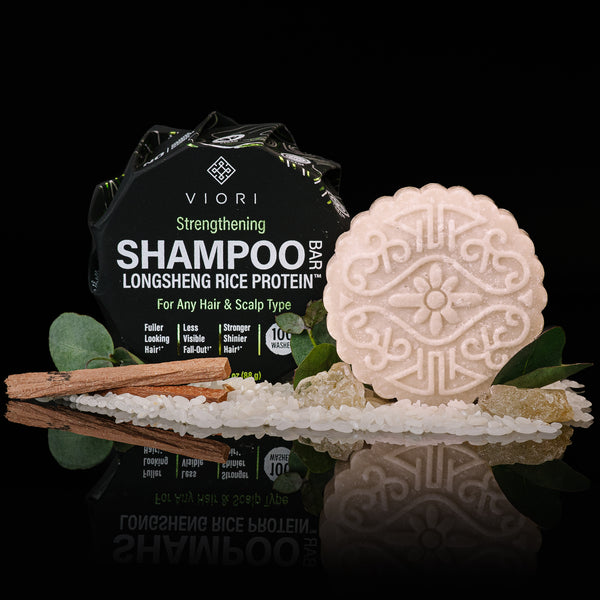
Viori shampoo bars use Sodium Cocoyl Isethionate (SCI), a gentle cleanser often nicknamed “baby foam” because it can create a creamy lather without the harsh feel people associate with stronger surfactants. That matters in travel because it helps you build lather in your hands and distribute it through the scalp without aggressive scrubbing.
Viori also highlights that their bars are pH balanced. That’s not marketing fluff-hair tends to behave best when products stay in a hair-friendly pH range (roughly 3.5-6.5). When cleansing systems skew too alkaline, the cuticle can lift and feel rough over time, especially when travel already adds stress like sun, wind, and heat styling.
The Overlooked Physics: Your Bar Creates a “Humidity Gradient”
Here’s the detail most people never hear: a bar doesn’t have to be soaking wet to keep a container humid. If the bar can’t breathe, the moisture it releases has nowhere to go. That trapped humidity changes the bar’s surface chemistry and texture, which changes how it applies.
So the goal isn’t a waterproof case. The goal is a drying system.
What a good travel setup should do
- Drain: so the bar never sits in pooled water.
- Elevate: so it doesn’t glue itself to the bottom of the container.
- Ventilate: so humidity can escape and the bar can firm back up.
Viori’s bamboo holders are built with this exact logic: keep the bar lifted and allow airflow so it can dry between uses. The specific holder you choose can vary, but the principle stays the same-airflow beats airtight for bar longevity.
Temperature Swings Quietly Change How Much Shampoo You Use
Travel is full of extremes: steamy bathrooms, hot car trunks, cold luggage holds, winter hotel rooms with blasting heat. Bars respond to that.
- Warm + humid: the bar softens, so you pick up more product faster (easy to over-apply).
- Cold + dry: the bar hardens, so you may scrub longer to compensate (more friction on hair).
If your hair suddenly feels heavy in the tropics, it may not be the formula-it may be that you’re simply loading more product because the bar is softer. And if your hair feels rough in cold, dry weather, it may be the extra rubbing you did to get enough lather.
Conditioner Bars Don’t “Foam”-And That’s the Point
A common travel panic is, “My conditioner bar isn’t lathering, so I don’t think it’s working.” Conditioner bars aren’t meant to behave like shampoo.
Viori explains this clearly: shampoo contains a cleansing agent (SCI) that creates suds. Conditioner bars don’t include that cleanser. Instead, they rely on conditioning ingredients that coat and smooth the hair, so what you feel is often a paste-like slip rather than visible foam.
Travel is when you need that slip the most. Wind, backpacks, coat collars, rough towels, and rushed detangling all increase mechanical stress on the cuticle.
The “Friction Budget” Rule: How to Keep Hair Calm While You’re Away
I teach clients to think of hair like it has a daily friction budget. Travel burns through that budget fast. The fix is a lower-friction routine-especially with bars.
A low-friction travel wash routine
- Detangle before the shower (gently, ideally when hair is dry).
- Lather the shampoo in your palms, then apply to the scalp.
- Cleanse the scalp, not the lengths-let the suds rinse through the ends.
- Condition mid-lengths to ends, then let it sit for 2-5 minutes.
- Rinse thoroughly, then blot with a towel or soft tee (don’t rub).
One extra note for color-treated hair: Viori recommends palm-lathering and working product through with hands rather than rubbing the bar directly on the head. Less friction is simply kinder to the cuticle-and your color.
WHAT CUSTOMERS ARE SAYING
Real reviews for Hidden Waterfall Barra de Champú
Picking the Right Viori Bar for Travel: Match Your Scalp, Not Your Mood
Travel can shift your scalp oil production thanks to stress, sweat, climate, and sleep changes. A smart match keeps your scalp comfortable and your lengths manageable.
- Citrus Yao: typically best for normal-to-oily scalps (Viori notes it contains citric acid in the scent system, which helps break down oil).
- Terrace Garden, Hidden Waterfall, or Native Essence: often a better fit for normal-to-dry scalps.
- Native Essence: the unscented option, especially helpful if you’re sensitive to fragrance.
If you’re the common combo of oily scalp + dry ends, consider cleansing the scalp with the option that best handles oil, then using a more moisturizing conditioner on the ends.
How to Pack a Shampoo Bar So It Lasts (and Behaves)
If you want your travel solid shampoo to perform like it does at home, treat storage as part of the routine. Viori notes many customers get 60+ washes per bar, and the biggest thing that shortens lifespan is letting it sit wet.
Quick packing rules that make a big difference
- Keep the bar out of direct spray in the shower.
- Use a holder that drains and ventilates so it can dry between washes.
- If you must pack it damp, don’t seal it airtight for long-let it breathe as soon as you can.
- Whenever possible, store bars in a cool, dry spot.
Bottom Line: Travel Solid Shampoo Success Is Environmental Management
When people tell me solid shampoo “doesn’t work,” it’s almost always a storage, technique, or water-variable issue-not a dealbreaker with the concept itself. The winning formula is simple: airflow over airtight, palm-lather over friction, scalp-focused cleansing, and enough conditioner contact time to let the bar do its job.
Do that, and travel solid shampoo stops being a gamble and becomes one of the easiest ways to keep your hair consistent, low-maintenance, and healthy-looking wherever you land.


