
You've made the decision. You're ready to ditch the plastic bottles, embrace sustainable haircare, and finally try those shampoo bars everyone's talking about. So you grab your keys, head to your local drugstore, and... find absolutely nothing. Maybe one lonely bar tucked behind the body wash, if you're lucky.
Here's the thing-after twenty years working in salons and consulting with beauty brands, I can tell you this isn't an accident. Despite the solid haircare market exploding toward $2.8 billion by 2027, quality shampoo bars remain frustratingly absent from most store shelves. And once you understand why, your entire shopping strategy will change.
Why Your Local Store Probably Doesn't Stock Them
The Brutal Economics of Shelf Space
Let me pull back the curtain on something most shoppers never consider: that shelf space at your local retailer? It costs brands between $50,000 and $150,000 annually per product position. That's just for the privilege of being there-not including marketing, promotional support, or inventory guarantees.
For a tall bottle of liquid shampoo, this makes perfect business sense. The bottle commands visual attention, consumers instantly know what to do with it, and it practically sells itself. Shampoo bars? They're fighting an uphill battle from the start.
These compact little discs face what I call the "invisibility problem." They're small, requiring special displays to avoid getting lost among larger products. Their size means retailers need more units to create the same shelf presence as one row of bottles. And here's the real kicker-they require consumer education, which makes retailers incredibly nervous.
The Touch-and-Smell Dilemma
Walk through any beauty aisle and watch what people do. They pick up bottles, flip them over, read ingredients, sometimes even crack the lid to smell the product. Humans are tactile shoppers, especially with haircare.
Shampoo bars create a retail nightmare. They need sealed packaging to prevent contamination, but that packaging eliminates the sensory experience shoppers crave. Open testers don't solve the problem-they create hygiene concerns and deteriorate from constant handling and moisture exposure.
Liquid products never face this catch-22. A sealed bottle looks professional and pristine, and everyone already knows how to use it. This fundamental tension is exactly why even stores committed to eco-friendly products stock only a token bar or two.
NOT SURE WHICH PRODUCT IS RIGHT FOR YOU?
TAKE THE QUIZTakes 30 seconds · 134,000+ customers matched
Where to Actually Find Shampoo Bars Locally
Natural Food Stores (Your Best Bet)
Places like Whole Foods, Sprouts, Natural Grocers, and local food co-ops offer your most reliable local options. But here's the insider secret I've learned from years of shopping trips with clients: they're rarely where you'd expect.
Skip the main beauty aisle and check these spots instead:
- Near the bulk foods section-stores associate bars with zero-waste shopping psychology
- On package-free endcaps-positioned as specialty items rather than everyday essentials
- In gift and specialty sections-treated as premium or unusual products
This placement reveals something important: even natural retailers don't yet view bars as mainstream haircare. They're merchandised for the already-converted eco-conscious shopper, not the average customer browsing for shampoo.
Farmers Markets (With a Professional Warning)
Local artisan fairs and farmers markets offer the most direct access to shampoo bars, and there's a good reason small-batch soap makers thrive here. Selling face-to-face allows them to explain usage, answer questions in real-time, share their creation story, and demonstrate proper technique.
But I need to share a reality check from my professional experience: not all artisan bars are formulated correctly for hair health. Many soap makers adapt body soap recipes for hair without understanding the critical differences. Your scalp has specific pH requirements-typically 4.5 to 5.5-and needs particular conditioning structures that simple soap can't provide.
Look for makers who discuss pH balancing, conditioning agents, and hair-specific formulation. If they can't clearly explain what makes their bar different from body soap, walk away. Your hair deserves better than trial and error with your scalp's health.
Zero-Waste Stores (If You're Lucky Enough to Have One)
Package-free shops and zero-waste boutiques represent the fastest-growing retail channel for shampoo bars, but there's a geographic reality you should know. These stores cluster in specific areas:
- Urban centers with populations over 100,000
- College towns with environmentally-active communities
- Coastal regions with established sustainability cultures
Don't live in these areas? Your local access remains extremely limited. This clustering reflects where early-adopter consumers concentrate-and retail always follows consumer demand.
Independent Pharmacies (The Overlooked Option)
Here's a source most people completely miss: progressive independent pharmacies and compounding pharmacies. Many are reinventing themselves as consultation-based wellness centers rather than just prescription fillers, and they're increasingly stocking dermatologist-recommended haircare, including quality bars.
If your area has a compounding pharmacy, make the call. You might discover exactly what you're looking for, along with knowledgeable staff who can actually discuss formulation and ingredients.
Salons (Hit or Miss)
Independent salons and eco-focused salon chains can be excellent sources for quality shampoo bars, but most carry limited inventory. Why? Professional education still focuses overwhelmingly on liquid products, commission structures favor higher-priced items, and many stylists still associate bars with "homemade" rather than professional-grade formulations.
My advice? Call salons that advertise sustainable practices or specialize in natural haircare. Ask specifically about pH-balanced bars formulated with professional ingredients like hydrolyzed rice protein or bamboo extract. This question signals you're looking for sophisticated formulations, not basic soap, and you'll get better recommendations.
The Real Reasons Behind Empty Shelves
The Education Investment Nobody Wants to Make
Here's what brands rarely admit publicly: each shampoo bar sale requires three to five times more customer education than liquid shampoo. New users need to understand proper lathering technique, storage requirements, the potential transition period when switching from conventional shampoos, and how to assess whether it's actually working for their hair type.
This creates an impossible choice for brands: invest heavily in retail education-expensive demonstrations, trained representatives, detailed packaging information-or focus on direct-to-consumer channels where they control the entire educational experience through websites, detailed instructions, and responsive customer service.
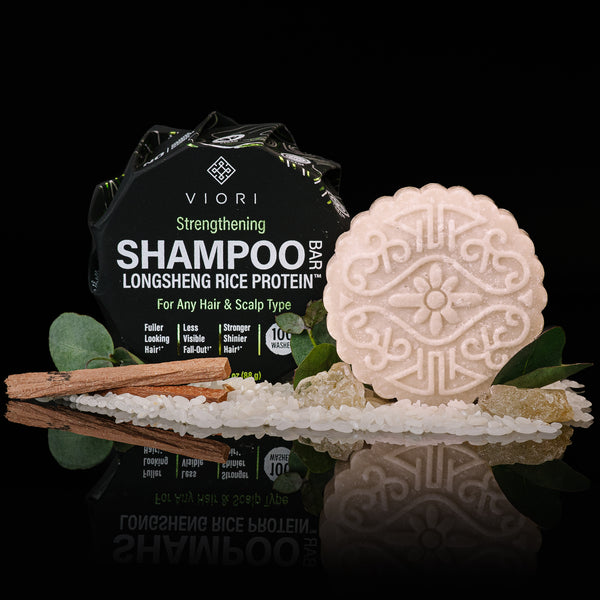
Most quality brands, including Viori, choose the latter. That's why you'll find comprehensive usage guides, ingredient education, and detailed FAQ sections online that simply can't exist on a retail shelf tag or in a three-second aisle interaction.
The Return Rate Reality
Professional insight from my retail consulting work: shampoo bars have significantly higher return rates during their first year of retail presence-15-25% compared to 3-5% for established liquid brands. The reasons tell the whole story:
- Expectation mismatches-people expect immediate results identical to their conventional shampoos
- Application errors-incorrect usage leads to disappointing experiences
- Water incompatibility-some bars struggle with hard water conditions
- Wrong formulation-customers don't understand which bar suits their specific scalp type
Retailers are extraordinarily sensitive to return rates. High returns mean lost profit, unhappy customers, and negative word-of-mouth. It creates a vicious cycle: limited retail presence means less consumer familiarity, leading to more returns, which further discourages retail expansion.
The Transition Period That Changes Everything
Here's a professional truth that directly impacts retail success: most people experience a two-to-four-week adjustment period when switching from conventional shampoo to bars. During this transition, hair may feel waxy, dry, or unmanageable as residual silicones wash out and hair adapts to a different pH balance.
This transition is completely manageable with proper guidance-apple cider vinegar rinses help, understanding it's temporary makes it tolerable, and adjusting usage frequency smooths the process. But imagine the retail scenario: a customer buys a bar locally, experiences transition effects without context, returns it as "defective," and tells everyone it "ruined their hair."
Retailers avoid this nightmare by sticking with products consumers already understand. It's safer, simpler, and infinitely more profitable.
The Water Factor Nobody Talks About
Here's technical knowledge that rarely gets discussed outside professional circles: shampoo bars perform dramatically differently depending on your local water. Water hardness varies wildly across regions, creating real performance challenges.
Hard Water Regions (Southwestern US, Florida, upper Midwest):
- Mineral content interferes with lathering
- Can leave residue on hair strands
- Requires specific formulations to counteract minerals
Soft Water Regions (Pacific Northwest, New England):
- Bars lather easily and abundantly
- Cleaner rinse with less residue
- More predictable, consistent results
This geographic performance variation creates a retail nightmare. A bar that works beautifully in Seattle might perform poorly in Phoenix-yet retailers in both cities would stock identical products. This leads to inconsistent customer experiences and regional return rates that retailers struggle to understand or manage.
Quality brands formulate to work across water types-Viori's pH-balanced formulation with specific conditioning agents addresses this challenge-but many smaller brands don't account for this variable. It's yet another factor limiting mainstream retail adoption.
Smart Shopping Strategies for Right Now
The Phone-First Approach
Most people search online for local availability, see vague results, and give up. Here's my professional advice: call stores directly with specific questions that demonstrate your knowledge.
Try this exact script:
"Hi, I'm looking for pH-balanced shampoo bars-not soap bars-formulated specifically for hair. Do you carry brands that use ingredients like hydrolyzed rice protein or bamboo extract? I'm specifically looking for bars made for oily scalp types."
This specificity signals you're a knowledgeable shopper, prompting staff to check thoroughly or consult buyers. Many stores have products in back stock that aren't displayed, and this approach gets you access to that hidden inventory.
The Salon Consultation Strategy
Consider booking a consultation at a salon specializing in sustainable or natural haircare. Even if they don't sell bars retail, stylists often know local sources and can provide invaluable insight into which products suit your specific hair type, texture, and local water conditions.
Yes, consultations cost $25-50, but consider this math: buying three wrong bars online costs $36-54 plus shipping, with weeks of frustration between attempts. A professional assessment can direct you to appropriate products immediately, saving both money and disappointment.
Leverage Community Intelligence
Tap into local knowledge networks that already exist:
- Search Facebook for "[Your City] Zero Waste" or "[Your City] Sustainable Living" groups
- Check local subreddits for eco-friendly shopping recommendations
- Contact environmental organizations-they often maintain vendor lists
- Visit refill stations for bulk goods-they're networked with sustainable product suppliers
The Farmers Market Intelligence Approach
Visit farmers markets not just to buy, but to gather information and assess quality. Ask vendors these specific questions:
- How long have you been formulating shampoo bars specifically?
- What makes your formula different from body soap?
- Do you pH test your bars?
- What conditioning agents do you include for hair health?
Here's the key question that reveals everything: "How do you differentiate your formula from body soap for proper hair pH?" Confusion or vague answers mean they probably don't. A detailed explanation of conditioning agents and pH testing means you've found someone who truly understands haircare formulation.
WHAT CUSTOMERS ARE SAYING
Real reviews for Hidden Waterfall Barra de Champú
Why Direct Purchase Often Makes More Sense
The Quality Assurance Advantage
Here's honest professional advice that might surprise you: for most people, ordering directly from established brands often ensures better quality and results than random local availability. The reasons are substantial:
Formulation sophistication: Professionally developed bars undergo rigorous testing, pH balancing, and refinement that small-batch makers simply can't match without laboratory resources and expertise.
Ingredient sourcing: Established brands source specific, high-quality ingredients that aren't available to artisan makers. Viori, for instance, sources authentic Longsheng rice water from the Red Yao tribe in China-an ingredient with centuries of documented hair benefits that you simply won't find in local artisan bars.
Consistency: Each professionally manufactured bar is formulated identically, unlike handmade bars that can vary significantly batch to batch in terms of ingredient ratios, pH levels, and conditioning properties.
Hair type specificity: Professional brands offer targeted formulations for different scalp conditions. Viori's Citrus Yao works specifically for oily scalp, while Terrace Garden targets dry scalp needs. Local artisan bars are typically one-size-fits-all formulations.
Freshness: Direct-from-manufacturer shipping means optimal storage conditions and fresher products, rather than bars that may have sat in varying conditions at markets or stores.
The Real Cost Comparison
Let's look at realistic total costs, not just sticker prices:
Local Artisan Bar Approach:
- Single bar cost: $12
- Trial and error finding the right formulation: 2-3 different bars = $24-36
- Risk of choosing wrong formulation for your hair type: High
- Risk of pH-imbalanced product: Moderate to high
- Total investment to find the right product: $36-48
Direct From Professional Brand:
- Single bar cost: $14
- Shipping: Usually free with minimum order
- Detailed product descriptions and recommendations: Included
- Reduced trial and error through targeted selection: Significant savings
- Total investment for appropriate product: $14-19
The local premium often doesn't provide matching value unless you're buying from a truly knowledgeable, experienced formulator-and those are remarkably rare.
The Education Value You're Actually Paying For
When you purchase directly from established brands like Viori, you receive educational support that has genuine value:
- Detailed usage instructions specific to your hair type and concerns
- Customer service that understands the product formulation intimately
- Educational content about ingredients and their specific benefits
- Community reviews from users with similar hair types and concerns
- Satisfaction guarantees that local retailers often can't or won't offer
This comprehensive support has tangible value that local retail simply cannot replicate at the current market stage. You're not just buying a bar-you're buying expertise and ongoing guidance.
What Limited Availability Reveals About the Market
The scarcity you're experiencing actually reveals exactly where shampoo bars sit in the product


