Beautiful Reason · 4 min read
Beautiful Reason Initiatives: Helping vs Creating Dependency

“Give a man a fish, or teach him how to fish.”
This has been our guiding principle from the very beginning of Viori’s Beautiful Reason Initiatives in Longsheng. It sounds simple. But in practice, it’s anything but.
So have we succeeded in this?
The short answer is: yes and no.
Where it’s working
Over the past five years, we’ve put a lot of effort into supporting projects that can stand on their own over time.
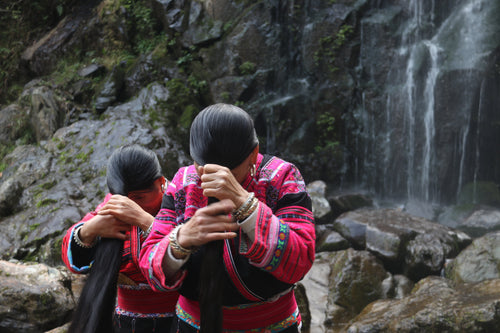
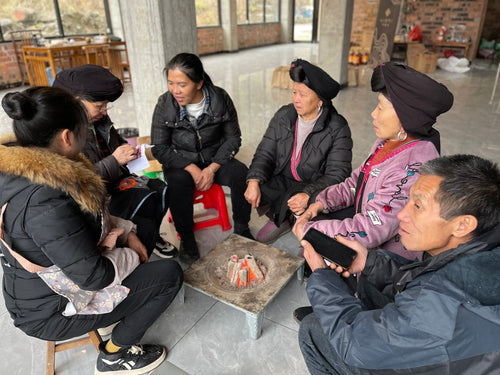
The embroidery program is one example. Together with a group of Red Yao aunties, we helped adapt their traditional craft into products that could be sold in today’s market. We supported with product design, some initial funding, and marketing. Today, these products are not only sold through Viori, but also directly to tourists visiting their villages.

The same goes for the tea project. We invested in equipment, supported branding, brought in tea masters to teach processing techniques, and worked with the farmers to maintain organic practices. Today, the farmers are producing their own high-quality Red Yao black tea and selling it both to Viori customers and in the local market.

Are these businesses thriving? Not exactly. But they exist. They are real. And they are growing slowly, in a way that feels sustainable for the community.
That, to us, is already meaningful progress.
Where it gets complicated
At the same time, not everything has followed this philosophy perfectly.
During periods of strong growth, when Viori had more available funds, we were able to support the community more generously. In some cases, that meant stepping in with more direct financial support than we might have otherwise.

And this is where things become less clear.
Take the example of the local school.
A few years ago, the principal shared that he was struggling to manage everything on his own and needed help. Together, we decided to support the salary of an additional teacher. For the past 3.5 years, Viori has been paying her salary, allowing her to stay in the village and support the children.
Now, with lower available BRI funds in 2026, we are no longer able to continue this support.
Which raises a difficult question:
Did we create dependency?
What happens now for this teacher?
Would a different solution have been better at the time?
Should we have stepped in at all?
There is no clear answer.
At the time, it felt like the right decision. And maybe it was. But it also shows how easily good intentions can lead to long-term complexity.
We are now staying in close contact with her to understand what the next step could look like, and where we can still be helpful within our current means.

Another example: rice
The rice project raises similar questions.
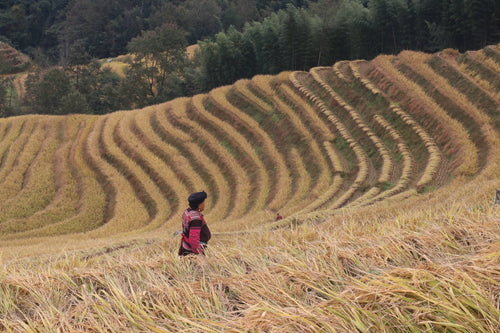
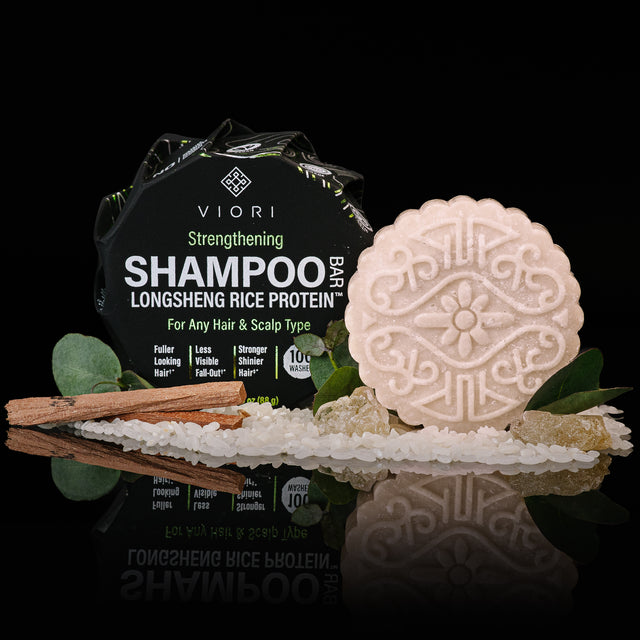
For several years, Viori purchased more rice than we actually needed, paying a 2.5× premium. This was partly because organic certification required a certain scale of neighboring farmland, and partly because our own growth made it difficult to predict future demand.
This support was welcomed by the farmers — understandably.
But now that our orders are smaller, we have to ask:
Did this create dependency?
And if so, what is the responsible way forward?

Learning as we go
We don’t believe that the fear of “getting it wrong” should stop us from trying.
What customers are saying
At the same time, we also don’t believe that every form of support is automatically good.
What we try to do — and will continue to do — is:
- Listen carefully to what the community says they need
- Use our own judgment to think about long-term effects
- Stay flexible, adjust, and learn from past decisions
Some choices will turn out well. Others, less so.
But as long as we stay honest about it, and keep improving how we approach things, we believe we are on the right path.
Going forward
If anything, this year is a reminder of why the “teach a man how to fish” philosophy matters.
Because when external support becomes smaller, the projects that can stand on their own are the ones that continue.
The embroidery program continues.
The tea business continues.
The rice farmers now have an organically certified product they can stand behind.
These are not perfect systems. But they are real ones.
We are extremely grateful to be able to run a company that is tied to a social cause, and will keep on improving our efforts to create something that is meaningful, respectful, and built to last — together with the Red Yao community, and with the support of our customers who make all of this possible.