
FOR SENSITIVE, REACTIVE SCALPS
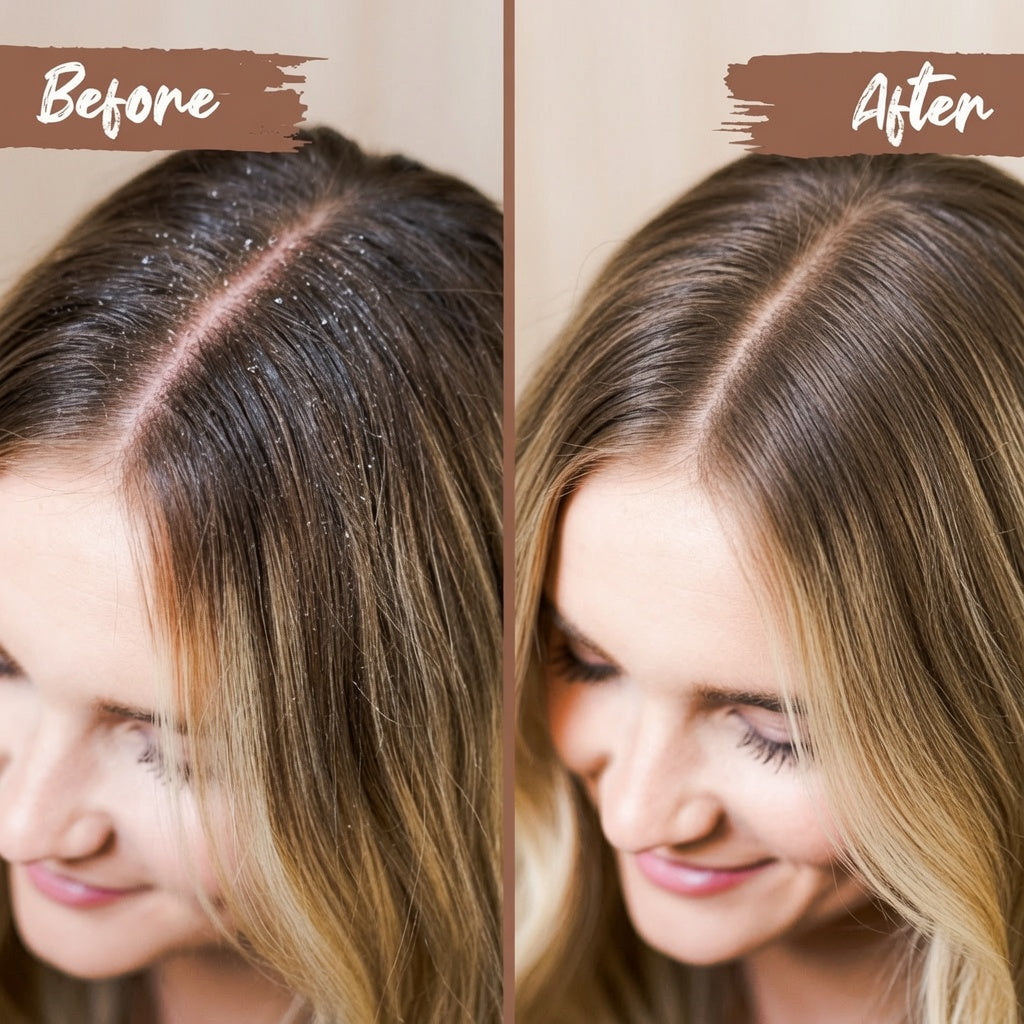
FROM SENSITIVE Scalp TO SOFT, SHINY HAIR.
★★★★★ 4.7/5 | 134,430 reviews
- Free from common irritants zero added fragrance, zero essential oils, no dyes
- No sulfate dryness cleanses without stripping moisture from your scalp
- A list short enough to read 19 plant-based ingredients, no parabens, phthalates, or silicones
- Conditions while it cleans rice water, jojoba, and shea leave hair soft & moisturized
- Scalp stays calm pH-balanced formula does not aggravate a dry scalp


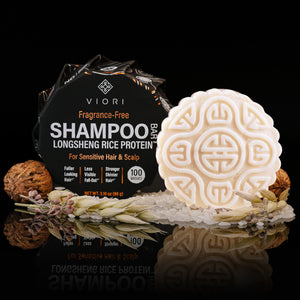
Native Essence Fragrance-Free Shampoo Bar for Sensitive Scalp
-
30-DayRisk-Free Trial
-
FreeReturns
-
FreeUSA Shipping
 1
1
Native Essence Barra de Champú Sin Perfume
Descripción La tribu Yao Rojo ha estado cultivando de forma natural el arroz Longsheng en lo alto de las montañas con terrazas de arroz de Longsheng durante...
 2
2
Native Essence Barra de Champú Sin Perfume
Descripción La tribu Yao Rojo ha estado cultivando de forma natural el arroz Longsheng en lo alto de las montañas con terrazas de arroz de Longsheng durante...
Description
A fragrance-free rice water shampoo bar for sensitive scalps that react to everything. If scented products make your scalp itch, burn, or flare up, Native Essence was designed for you. This unscented, sulfate-free shampoo bar has zero added fragrance — just a faint earthy scent from the natural ingredients themselves. It cleanses gently without triggering sensitivity. Made with Longsheng rice water from the Red Yao village in southern China. The fermented rice water delivers amino acids and antioxidants that strengthen hair and soothe the scalp — without any of the synthetic fragrances, essential oils, or perfumes that cause reactions in sensitive skin. Scent: No added fragrance. A very faint, natural earthiness from the rice water and plant-based ingredients. Undetectable once hair dries. What it feels like: Gentle, mild lather. No tingling, no cooling, no warmth — just clean. Hair dries soft and neutral with no lingering scent. Switching from liquid shampoo? Allow 2–3 washes for adjustment. Fragrance-free bars are ideal during the transition since there's nothing to irritate a recalibrating scalp. Sulfate-free · Paraben-free · Phthalate-free · Fragrance-free · pH-balanced · Vegan · Cruelty-free · Plastic-free.
Ingredients
Sodium Cocoyl Isethionate, Behentrimonium Methosulfate, Longsheng Rice Water, Cocoa Butter, Jojoba Oil, Sodium Lactate, Glycerin, Cetyl Alcohol, Shea Butter, Butylene Glycol (Plant-Based), Stearic Acid, Vitamin B8, Vitamin B5, Rice Bran Oil, Hydrolyzed Rice Protein, Broccoli Seed Oil, Bamboo Extract, Vitamin E, Aloe Vera.
Ingredients Explanations
• Sodium Cocoyl Isethionate — gentle cleanser derived from coconut oil (EWG 1); makes a mild lather that cleans without the harsh sulfate surfactants that can sting or dry out a reactive scalp.
• Behentrimonium Methosulfate — conditioning agent from rapeseed oil (EWG 1); smooths and detangles. Despite the name it is not a sulfate and is well tolerated by sensitive skin.
• Longsheng Rice Water [HERO] — fermented rice water from the Red Yao terraces of Longsheng, China; rich in amino acids and inositol that condition the hair and leave it looking healthier — with zero added fragrance to react to.
• Cocoa Butter — pressed from cacao seeds (EWG 1); cushions and softens without irritation.
• Jojoba Oil — liquid wax from the jojoba seed, close to the scalp's natural sebum (EWG 1); replenishes the oils a sensitive, flake-prone scalp can't afford to lose.
• Sodium Lactate — humectant from fermented sugars; holds moisture in so skin and hair don't dry out between washes.
• Glycerin — plant-derived humectant (EWG 1–2); draws in light moisture and is well tolerated by reactive skin.
• Cetyl Alcohol — fatty alcohol from plant oils (EWG 1); conditions and binds the bar — not a drying alcohol.
• Shea Butter — from the African shea nut (EWG 1); softens and comforts dry, easily-irritated skin.
• Butylene Glycol (Plant-Based) — plant-derived; carries the actives evenly through the lather, no synthetic fragrance.
• Stearic Acid — plant-derived fatty acid (EWG 1); gives the bar structure and a creamy, low-foam lather.
• Vitamin B8 (Inositol) — naturally present in rice water; conditions the hair and is known to stay on the strand after rinsing.
• Vitamin B5 (Panthenol) — pro-vitamin (EWG 1); helps hair look smoother and feel more flexible, soothing on skin.
• Rice Bran Oil — pressed from rice bran; a lightweight oil that adds softness and shine without heaviness.
• Hydrolyzed Rice Protein — rice protein broken into smaller pieces that bind to the fiber; smooths the cuticle and supports stronger-looking strands.
• Broccoli Seed Oil — a natural alternative to silicone; adds slip and shine without buildup.
• Bamboo Extract — from bamboo stems, high in silica; supports the look of healthier strands.
• Vitamin E — antioxidant from plant oils (EWG 1); conditions and helps protect the hair's appearance.
• Aloe Vera — from the aloe leaf (EWG 1); light moisture and slip for the scalp.
• *Fragrance Free — no added fragrance and no essential oils. The faint earthiness is the raw plant ingredients themselves, and it disappears once hair dries.
How To Use
1. Wet your hair and scalp thoroughly with warm water — not hot, which can further irritate a reactive scalp.
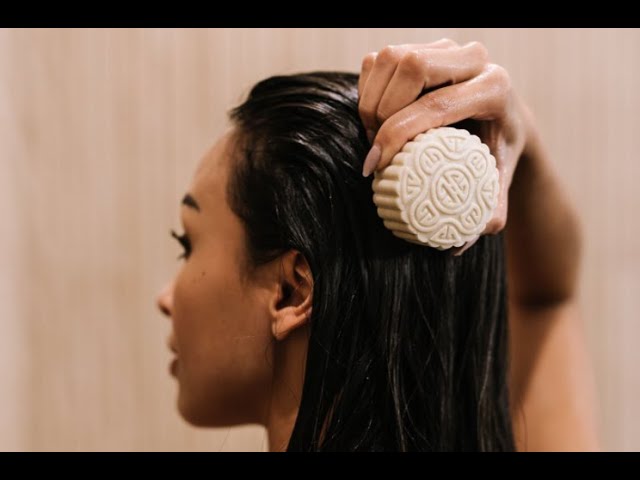
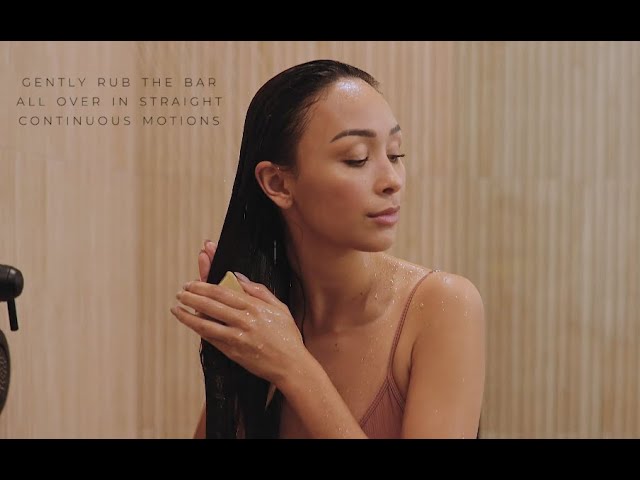
2. Rub the bar directly between your palms to build a lather, or glide it gently along the length of your hair two to three times.
3. Work the lather into your scalp with your fingertips using light, circular motions — no need to scrub; the sulfate-free surfactants do the work without friction.
4. Leave the lather on for 30–60 seconds before rinsing, especially in the first few washes, to give the amino acids and rice water time to contact the hair strand.
5. Rinse thoroughly with cool or lukewarm water until the water runs completely clear — incomplete rinsing is the most common cause of buildup with bar shampoos.
6. If you are switching from a silicone-based liquid shampoo, allow 3–4 wash cycles for your hair to recalibrate; the bar's natural oils need time to replace the silicone layer before you assess final results. Patch test on inner arm or behind the ear before first scalp use if your skin is highly reactive.
REAL RESULTS, REAL CUSTOMERS
A scalp that finally stops asking for attention.
Three women who read every label — and found one bar they could actually keep using.


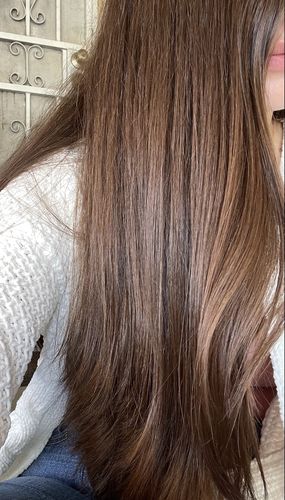
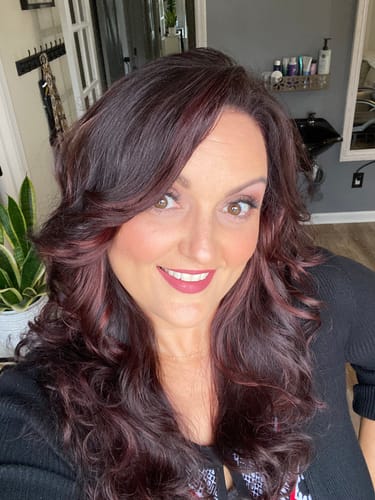
"I have straight, fine hair and a scalp that flares at the first sign of synthetic fragrance. I'd been using a drugstore fragrance-free liquid for two years — it kept the itch manageable but left my ends snapping off. Three weeks into this bar, the flaking has quieted down and my hair bends instead of breaks. I patch-tested first. No reaction. That alone felt like a win."


"I live in a hard-water area in the Pacific Northwest and I was terrified of the transition period — I'd tried a different bar years ago and the waxy buildup was unbearable on my reactive scalp. Viori's bar lathered cleanly from wash one. By wash four, my scalp felt calmer than it had in months on the medicated dandruff shampoo I'd been relying on."


"My scalp is highly reactive, and my hair is wavy, thin, and dry from years of using the wrong shampoos. Even a lot of "unscented" shampoos still caused my scalp to flare up. Since switching to Viori, my scalp has been so much calmer, and the irritation has stayed under control. I've also been getting a lot of compliments on my hair!"
VERIFIED REVIEWS FROM SENSITIVE SCALPS
SEE WHY SENSITIVE SCALPS ARE MAKING THE SWITCH.
Verified reviews from people with sensitive, reactive scalps who read every ingredient before they buy.






THE PROBLEM
The Label Never Tells The Whole Story.
You have done everything right — read every INCI list, avoided sulfates, switched to 'unscented' — and your scalp is still not quiet.
'Unscented' Still Isn't The Same As No Synthetic Fragrance.
Some drugstore shampoos marketed as unscented may contain masking agents — compounds used to neutralize odor rather than add scent, which don't always appear as 'fragrance' on the label. Your scalp may still find them.
Medicated Shampoos Can Feel Like A Trade-Off.
The medicated dandruff shampoos that manage flaking often do it aggressively — and for some people, that means a scalp that calms down but hair that feels stripped in the process. You shouldn't have to choose between the two.
Bar Shampoos Feel Like A Gamble.
The waxy buildup period, the pH uncertainty, the ingredient list that looks short until you realize you don't recognize half of it — switching to a bar feels like a high-stakes experiment when your scalp already has a long memory for bad reactions.

THE ANSWER
One Bar. Every Ingredient Listed.
The Native Essence Fragrance-Free Shampoo Bar is sulfate-free, preserves your scalp's quiet, and carries a full INCI list — no synthetic fragrance, not even a masking one.
Where medicated dandruff shampoos strip and drugstore fragrance-free liquids hide masking agents in the fine print, this bar does neither. Every ingredient is disclosed: Longsheng rice water delivers amino acids that condition and soften from the first wash, sodium cocoyl isethionate — a mild coconut-derived cleanser, not a sulfate — lifts oil and buildup without the sting, and shea butter and jojoba put the softness back so hair dries soft instead of stripped. There is zero added fragrance and zero essential oils: no scent profile at all, just a faint natural earthiness from the raw plant ingredients that disappears once hair dries. The sulfate-free, pH-balanced formula means reactive skin isn’t caught between cleansing efficacy and comfort. If you’re switching from a silicone-coated liquid shampoo, expect 3–4 washes to recalibrate — that’s not a flaw, it’s the bar replacing a coating your scalp never needed. Patch test recommended for highly reactive skin.
See the full systemWhy Viori
How it's different from your current curl shampoo
| Native Essence Shampoo bar | Fragrance-free liquid shampoo | Other shampoo bars | |
|---|---|---|---|
| Added fragrance | None | Often “light clean scent” | Often scented |
| Conditions while cleansing | Yes (rice water + butters) | Often drying / straw-like | Often waxy or stripping |
| Ingredient list | Short, plant-based, readable | Long, often synthetic | Varies |
| Format | Plastic-free | Plastic bottle | Plastic-free |
| Cost | ~3 bottles in one | Monthly refill | Comparable |

Backed by the science
WHY IT WORKS
Three ingredients, three mechanisms — each one doing a specific job on a reactive, brittle scalp.
-
Rice water does the conditioning
Fermented rice water is rich in amino acids, which are widely used in cosmetic hair care to condition and smooth. They help hair look smoother and feel softer from the first wash, without adding anything scented to react to.*
International Journal of Cosmetic Science — Inositol in hair care -
The cleanser cleans without stripping
The first ingredient is sodium cocoyl isethionate, a mild coconut-derived cleanser (EWG 1) — not a sulfate. It lifts oil and buildup with a soft lather, so hair and scalp feel clean and comfortable instead of tight and squeaky. On a reactive scalp, how gently it cleans matters more than anything else.
Dermatology Reports — Surfactant effects on scalp health -
Shea butter and jojoba put the softness back
Most fragrance-free, sulfate-free shampoos clean but leave hair dry and straw-like. Shea butter and jojoba oil are plant emollients — jojoba sits close to the scalp's own oils — so they soften and cushion as you wash, and hair dries soft instead of stripped.
Cosmetic Ingredient Review — safety assessment, shea butter & jojoba
Our Story
THE STORY BEHIND THE BAR
From the rice terraces of Longsheng to your shower — the most powerful, clean haircare you have ever used.
How To Use Videos
WHAT MAKES VIORI DIFFERENT
Everything you want to know — answered in 30 seconds or less.


Build Your Bundle
BAR, DUO, OR THE FULL SYSTEM.
Start where your scalp needs you to, and add only what it can handle.
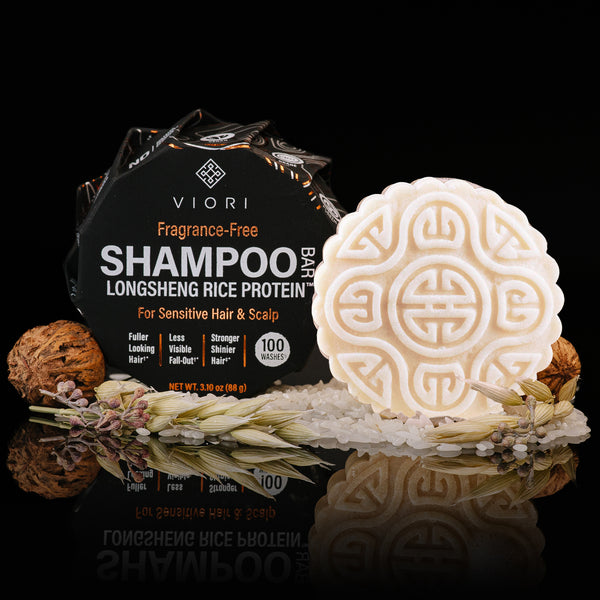
The Single Bar
One ingredient list to read, one variable to test.
- Fragrance-free, sulfate-free shampoo bar
- Gentle lather that won't strip a reactive scalp
- Short, plant-based ingredient list
- Replaces 2–3 plastic bottles
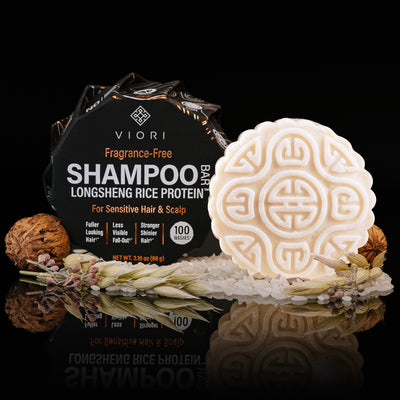
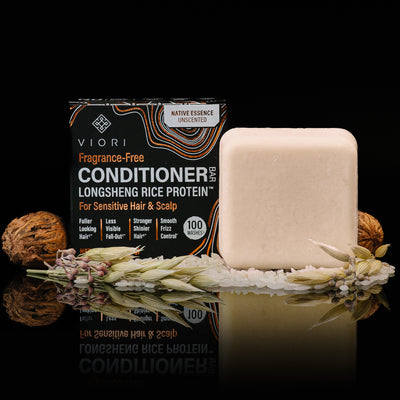
The Duo
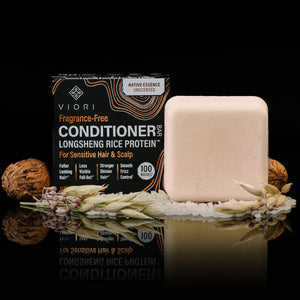
Shampoo bar paired with a matching conditioner — same fragrance philosophy, same short ingredient list.
- Adds the matching fragrance-free conditioner
- Detangles and softens without weighing hair down
- Same short, readable ingredient list across both steps
- Plastic-free, vegan, cruelty-free
The Full System
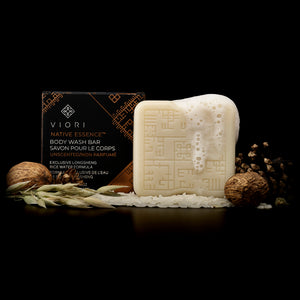
Shampoo, conditioner, and Body Wash— every step vetted, every ingredient listed.
- Three-step routine designed for sensitive, reactive scalps & skin
- Fragrance-free across all three — no essential oils, no added scent anywhere
- Gentle enough for daily use on reactive skin — patch-test first
- No synthetic fragrance, no parabens, no phthalates at any step
FAQ
GOOD TO KNOW BEFORE YOU BUY.
Truly fragrance-free. No added fragrance and no essential oils. There is a very faint natural earthiness from the raw ingredients that disappears once hair dries.
It's formulated for sensitive scalps: sulfate-free, fragrance-free, and free of parabens, phthalates, silicones, and dyes. As with any new product on sensitive skin, patch-test first. (Cosmetic care; not intended to diagnose, treat, cure, or prevent any condition.)
Yes. It cleans with a gentle sulfate-free lather and conditions at the same time with rice water, jojoba oil, and shea butter, so hair dries soft instead of stripped. Use the conditioner bar mid-length to ends for extra slip.
That's the natural scent of the plant ingredients and rice water — no fragrance was added. Reviewers describe it as faint and earthy, gone once hair dries.
The shampoo cleans and conditions on its own. The fragrance-free conditioner bar adds slip and softness on the mid-lengths and ends — both share the same short ingredient list.
Give your hair 2–3 washes to adjust. Because there's nothing added to irritate, a fragrance-free bar is an easy choice while your scalp recalibrates.
Each bar lasts 60–80 washes, which is the equivalent of 2–3 bottles of liquid shampoo. The bar stays dry between uses when stored on a bamboo holder with airflow drainage, which extends its life significantly. If you are washing 2–3 times a week, one bar typically lasts 5–8 months.