
Rice water toner gets talked about online like it’s a simple, natural shortcut to brighter skin. But when you look at it through a professional lens-where pH, residue, and long-term barrier health actually matter-it becomes a lot more interesting (and a lot more nuanced). The real story isn’t just “rice has nutrients.” It’s that a rice water toner is a leave-on delivery system that can behave beautifully or backfire depending on how it’s made, how strong it is, and how often you use it.
Here’s the unique angle most people miss: rice water toner sits right at the crossroads of pH control, film formation, and (if it’s fermented) biological instability. Those three factors explain almost every glowing review-and almost every “this irritated my skin” complaint.
What rice water “is” in cosmetic terms (it’s not one ingredient)
“Rice water” isn’t a standardized single raw material. It’s an aqueous extract, and what ends up in that water depends on the rice type, how it’s processed, and whether fermentation is involved. That’s why two rice water toners can feel totally different on the skin.
NOT SURE WHICH PRODUCT IS RIGHT FOR YOU?
TAKE THE QUIZTakes 30 seconds · 134,000+ customers matched
In practical, formulation-style terms, rice water can contain a mix of:
- Starches (which create slip and a soft, smoothing feel)
- Proteins/peptides/amino acids (more likely when rice water is fermented or processed)
- Minerals and naturally occurring compounds that can affect how the skin looks and feels
- Fermentation byproducts (organic acids and other metabolites that can shift pH quickly)
That last point is the one that tends to get glossed over: a toner is typically used often, and it’s left on the skin. So you’re not just “trying rice.” You’re committing to repeated exposure to a system that may drift in pH and stability over time.
The big variable nobody wants to measure: pH
If I could wave a wand and make every rice water toner conversation more accurate, it would be this: talk about pH first. Skin generally prefers a mildly acidic environment, and your barrier function is closely tied to that.
When a rice water toner is too alkaline
If the pH creeps too high, the skin can start to feel tight or “squeaky.” That sensation is often mistaken for cleanliness, but over time it can signal barrier stress.
- More dryness or roughness over time
- Increased sensitivity to other products
- A “why is my face suddenly reactive?” phase that sneaks up on you
When a rice water toner is too acidic (often from uncontrolled fermentation)
On the other end of the spectrum, if fermentation pushes the toner too acidic, it can behave like an acid toner-only without the consistency and control you’d want from a daily leave-on product.
- Stinging or burning that wasn’t there initially
- Redness, especially if you’re already using exfoliants
- Flare-ups if your skin is reactive or easily sensitized
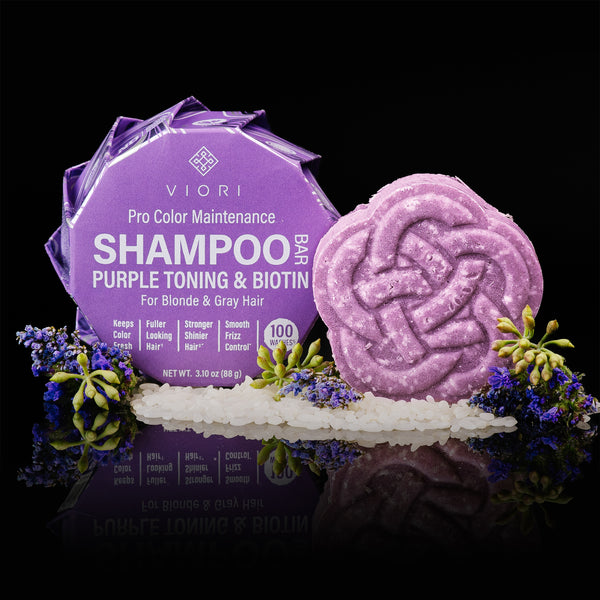
This is where Viori’s approach to rice water is worth learning from. Viori uses a lower concentration of Longsheng rice water because high concentrations can disrupt hair and scalp pH if used too often, and their products are designed to stay pH balanced. Different category, same principle: the dose and the pH make or break the experience.
Fermented vs. non-fermented: not “better,” just different
Fermented rice water gets marketed as “more powerful,” but from a technical perspective, fermentation is less about “more” and more about changed composition. It can shift the feel, the acidity, the odor, and the likelihood of irritation.
When fermentation is controlled, it can be a smart way to shape a gentler, more compatible profile. When it’s uncontrolled (which is common in DIY), you’re dealing with unpredictability: stability issues, off smells, and the potential for byproducts that simply aren’t kind to a stressed barrier.
If a rice water toner changes smell quickly, starts feeling stronger week to week, or suddenly stings when it didn’t before, take that as feedback. It’s not just “your skin being picky.” It can be a sign the system isn’t stable.
The hidden mechanism behind the “glow”: film formation
This is the part that rarely gets explained clearly online: rice water can act as a film former. That film can be lovely-until it isn’t.
When the film is light and compatible with your routine, it can:
- Reduce friction (skin feels smoother)
- Temporarily soften the look of texture
- Create a subtle, healthy sheen that people call “glow”
But if the toner is starch-heavy, not well filtered, or you layer it under richer products, that same film can contribute to issues like:
- Pilling under moisturizer, sunscreen, or makeup
- A congested, “coated” feeling on oil-prone areas
- More bumps in humid weather (film + sweat + oil is a classic recipe)
One of the most common misunderstandings is assuming any breakout means an allergy. Sometimes it’s not allergy at all-it’s film management and routine compatibility.
The hair and scalp crossover (and why it matters)
People treat face skin and scalp skin like separate universes, but they respond to many of the same stressors: pH shifts, buildup, and overuse of “strengthening” ingredients. That’s why the logic in Viori’s FAQs translates so well to this topic. Rice water can be beneficial, but concentration, frequency, and balance matter more than hype.
WHAT CUSTOMERS ARE SAYING
Real reviews for Purple Shampoo Bar with Biotin – Blonde & Gray | VIORI
How to use a rice water toner like a pro (without turning it into a skin experiment)
If you’re going to use one, the safest approach is to treat it like a potent step-something you introduce strategically, not something you splash on twice a day forever because a video told you to.
Step 1: Pick your goal
- If you want comfort and softness, go gentle and avoid heavy layering.
- If you want radiance, be cautious about stacking it with exfoliants or other strong actives.
Step 2: Start slower than you think
In salon terms, think of this like protein in haircare: the right amount can be amazing; too much too soon can leave things feeling off. Start with 2-3 times per week, then adjust.
Step 3: Keep the routine simple while you test it
When you’re trying a rice water toner, use a “quiet” routine so you can actually tell what’s helping and what’s not.
- Gentle cleanser
- Rice water toner (one thin layer)
- Simple moisturizer
- Sunscreen in the morning
Step 4: Watch for early warning signs
- New stinging: barrier stress or pH mismatch
- Increasing tightness: overuse or incompatibility
- Pilling: too much film or routine layering conflict
- Bumpy congestion: film + oil dynamics, especially in heat/humidity
Bottom line: rice water toner isn’t magic-it’s chemistry
Rice water toner can absolutely be a beautiful addition for some people. But the results aren’t just about “vitamins in rice.” They’re often about pH behavior and the invisible film rice water can leave behind. Once you understand those two levers, the glowing success stories-and the frustrating fails-make a lot more sense.
And if there’s one takeaway worth borrowing from Viori’s rice-water philosophy, it’s this: rice water works best when it’s used in a balanced, controlled way-especially when it’s part of a routine you want to trust long-term.


