
After twenty years working with hair care products, I've learned to distinguish between passing trends and genuine innovations. Shampoo bars-especially when purchased in bulk-fall firmly in the latter category. This isn't just about saving a few dollars or reducing plastic waste (though those benefits are real). It's about fundamentally rethinking how we approach hair care economics, storage, and the hidden costs built into our beauty routines.
Let me share what I've learned about the true value proposition of bulk shampoo bar purchasing, including technical insights you won't find in typical product marketing.
The Concentration Factor: Why Shampoo Bars Change the Math
Here's what surprised me most when I first analyzed shampoo bars professionally: they operate on completely different economics than liquid shampoos because of their extraordinary concentration.
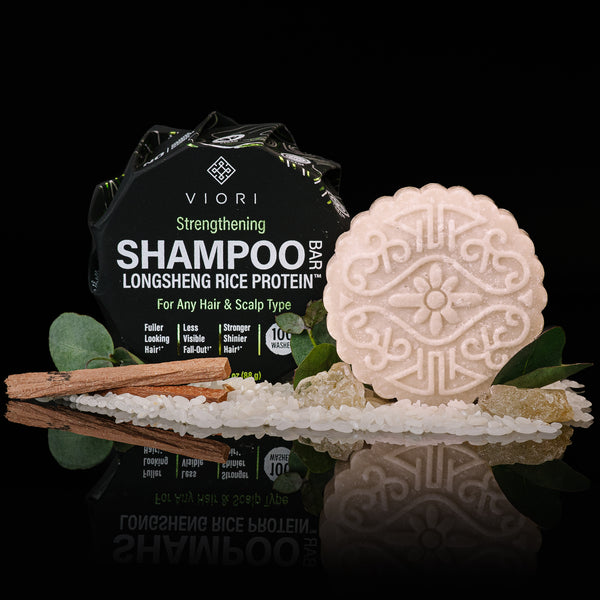
A single 3-ounce shampoo bar-like those from Viori-equals approximately three 10-ounce bottles of liquid shampoo. That's a 10-to-1 concentration ratio. This fundamentally changes how we should think about bulk purchasing.
The Space Savings Nobody Talks About
When you buy in bulk, you're not just buying product. You're buying back your space.
Consider this comparison: A year's supply of liquid shampoo for a family of four requires roughly 15-20 bottles, taking up about 3 cubic feet of storage space. The equivalent in shampoo bars? About 16-20 bars that fit into a single shoebox-roughly 0.3 cubic feet.
That's a 10-to-1 space compression. In urban apartments where square footage isn't cheap, this actually creates what I call "negative storage cost." You're not paying to store product; you're saving money by not storing water weight and bulky packaging.
The psychological benefit matters too. That cluttered shower shelf or overflowing bathroom cabinet? Gone. Replaced by a neat stack of bars that takes up less space than a pair of shoes.
NOT SURE WHICH PRODUCT IS RIGHT FOR YOU?
TAKE THE QUIZTakes 30 seconds · 134,000+ customers matched
The Secret Advantage of Aging Shampoo Bars
Here's something that surprised even me after two decades in the industry: properly stored shampoo bars actually improve over time.
Viori bars are formulated with natural ingredients like Longsheng rice water and conditioning butters. These formulations undergo a curing process-similar to fine cheese or aged wine-that optimizes their performance.
What Happens During Proper Storage
When you store shampoo bars correctly (cool, dry environment with good air circulation), they develop several improvements over 3-6 months:
- The pH levels stabilize for optimal hair health
- Surfactants fully integrate with conditioning agents
- The bars achieve ideal hardness
- Fragrance notes mature and stabilize
I call this "passive curing optimization." The practical result? Bars stored for several months can last 15-20% longer than freshly made bars used immediately. They create more stable lather, resist softening better during initial uses, and maintain their fragrance longer.
This means a bulk purchase of 12 bars used over 18 months actually provides more total washes than buying 12 bars individually over the same period. You're getting more product simply by allowing proper aging.
How Many Bars Do You Actually Need? The Real Math
Let me share the formula I use with clients to calculate their optimal bulk purchase:
The Basic Calculation
- Average washes per week × 52 weeks = annual washes needed
- Annual washes ÷ average bar lifespan = bars needed per year
For Viori bars, which average 60+ washes per bar:
- A person washing 3× weekly needs approximately 2.6 bars annually
- A four-person household with varied hair needs approximately 8-12 bars annually
- The optimal bulk purchase is 12-16 bars, providing 15-20 months of supply
But Here's What Complicates the Math
Your actual needs depend on three major variables most people overlook:
Water hardness: Hard water can reduce bar lifespan by 20-30%. If you have mineral-heavy water, you'll need more bars-or invest in a simple shower filter that can extend bar life by 20-30% (effectively creating 4-6 "free" bars annually from a bulk purchase of 20 bars).
Bathroom humidity: High-humidity environments accelerate bar softening, reducing efficiency by 15-25%. Proper storage becomes even more critical.
Hair porosity: High-porosity hair absorbs more product per wash, increasing consumption by 30-40%. If your hair is color-treated, heat-damaged, or naturally porous, factor this into your calculations.
The Learning Curve Advantage of Bulk Buying
Here's a counterintuitive finding from my professional experience: bulk purchasers actually use less product over time.
Viori bars use Sodium Cocoyl Isethionate-a gentler, coconut-derived cleanser that requires a slightly different technique than harsh sulfate shampoos. There's a learning curve: your first bar might last 45-50 washes while later bars can extend to 70-80 washes as your technique improves.
Why Bulk Buying Accelerates This Learning
When you have abundant supply, you have the psychological freedom to experiment. You're not anxiously trying to make a single bar last as long as possible. This "abundance mindset" paradoxically reduces overall consumption because you learn optimal techniques faster.
Over 4-6 weeks, most users naturally optimize their application and see product usage decrease by 20-30%. Having bulk inventory removes the anxiety that inhibits this learning process.
Subscription vs. Bulk Purchase: The Hidden Costs
Let's look at real numbers comparing different purchasing approaches:
Single Purchase Model
- Average bar cost: $12-14
- Buying frequency: Every 2-3 months
- Shipping per order: $5-7
- Annual shipping cost: $20-35
- Purchasing decisions per year: 4-6
Bulk/Subscription Model
- Per-bar cost with bulk discount: $9-11
- Purchase frequency: 1-2 times annually
- Shipping cost: Often free or reduced
- Annual shipping cost: $0-10
- Purchasing decisions per year: 1-2
The direct savings are obvious: $3-5 per bar plus reduced shipping. But there's a hidden benefit that behavioral economists recognize: decision fatigue cost.
Each purchasing decision carries cognitive load. You research, compare options, time the purchase, track delivery. Bulk purchasing eliminates 4-5 decision points annually, each carrying an estimated 15-30 minutes of mental effort.
The time value of bulk purchasing: 1-2.5 hours saved annually-time you can spend on literally anything else.
The Science of pH Stability Over Time
Let me share some technical insights about how shampoo bars age-information that directly impacts how you should approach bulk purchasing.
Viori bars are pH balanced (3.5-6.5 range) for optimal hair cuticle health. However, pH stability develops over time:
0-30 Days Post-Manufacture
- pH may vary slightly across the bar
- Ingredients still achieving equilibrium
- Moisture content stabilizing
30-90 Days
- pH stabilizes significantly
- Optimal performance window begins
- Bar reaches peak hardness
90-180 Days
- Maximum stability and performance
- The ideal bulk storage sweet spot
- Everything is optimally integrated
180+ Days
- Performance remains stable with proper storage
- Fragrance may mellow slightly (10-15%)
- Bar characteristics maintain with humidity control
This timeline reveals something important: bulk purchasing for 6-12 month inventory ensures you're using bars in their optimal performance window. Fresh-off-the-production-line bars haven't reached their full potential yet.
Setting Up Your Bulk Storage System
One practical challenge with bulk bar purchasing is organizing proper storage. Based on my professional experience, here's the system that works best:
The Three-Tier Rotation System
Tier 1 - Active Use Zone (Bathroom):
- 2 bars currently in use (shampoo + conditioner)
- Stored in Viori's bamboo holders or on elevated surfaces
- Must dry completely between uses
Tier 2 - Near-Ready Zone (Bedroom drawer/cabinet):
- 2-4 bars unwrapped and air-curing
- Normal room temperature and humidity
- Pre-conditioning for optimal performance
Tier 3 - Long-Term Storage:
- Remaining bars in original packaging
- Cool, dry location (closet, pantry)
- Protected from humidity and temperature swings
This system ensures active bars dry properly, near-ready bars pre-cure in ambient conditions, and long-term inventory stays protected.
Caring for Your Bamboo Holders
Since Viori uses untreated bamboo (eco-friendly but requires maintenance), bulk purchasers should implement the olive oil curing treatment: soak holders in olive oil and heat for 30 minutes. This moisture barrier extends holder life from 6-8 months to 18-24 months.
The cost analysis: About $2 per holder in materials and time extends useful life by 12-16 months. Over a bulk purchase of 12 bars (potentially 6 holders), that's a $12 investment yielding $40-60 in avoided replacement costs.
Regional Considerations: Water Hardness Matters
Your location should influence your bulk purchasing decisions. Here's how water hardness impacts bar longevity:
Soft Water (0-60 ppm calcium carbonate):
- Bars last 60-80 washes
- Excellent lather formation
- Optimal bulk purchase for family of four: 12-16 bars
Moderate Hardness (61-120 ppm):
WHAT CUSTOMERS ARE SAYING
Real reviews for Rice Water Shampoo Bar – All Hair Types | VIORI
- Bars last 50-65 washes
- Slightly reduced lather
- Optimal bulk purchase: 14-18 bars
Hard Water (121-180 ppm):
- Bars last 40-55 washes
- Lather requires more product
- Optimal bulk purchase: 16-22 bars
Very Hard Water (180+ ppm):
- Bars last 35-50 washes
- May require pre-treatment or filter
- Optimal bulk purchase: 20-26 bars
If you're in a hard water region, that shower filter investment becomes even more valuable. A $2-3 monthly investment can extend bar life by 20-30%, essentially creating free bars from your bulk purchase.
Strategic Scent Selection for Bulk Orders
Professional insight: bulk purchasing should account for seasonal preferences and scalp type variations to prevent "scent fatigue."
The Seasonal Rotation Approach
Summer (high humidity, increased oil):
- Citrus Yao for enhanced oil control
- Fresh, energizing scent for hot weather
Winter (dry scalp conditions):
- Terrace Garden or Native Essence for moisture
- Nourishing formulations for cold-weather care
Transition Seasons:
- Hidden Waterfall for balanced properties
- Versatile performance year-round
A strategic bulk purchase might include:
- 40% Citrus Yao (oil control emphasis)
- 30% Terrace Garden/Native Essence (moisture/sensitivity)
- 30% Hidden Waterfall (balanced everyday use)
This variety prevents monotony and maintains enthusiasm for your hair care routine-critical for consistent use over 18 months.
Calculating Household Needs: Multi-User Complexity
For families, bulk purchasing requires accounting for different hair types, lengths, and washing frequencies. Here's my professional calculation model:
Product Consumption by Hair Length
- Short hair (1-4 inches): 0.3-0.4 grams per wash
- Medium hair (4-12 inches): 0.5-0.8 grams per wash
- Long hair (12-24 inches): 0.9-1.5 grams per wash
- Very long hair (24+ inches): 1.5-2.5 grams per wash
Porosity Multipliers
- Low porosity: 0.8× baseline
- Normal porosity: 1.0× baseline
- High porosity: 1.3-1.5× baseline
Scalp Type Adjustments
- Dry scalp: 1.2× conditioner consumption
- Oily scalp: 1.3× shampoo consumption
Example Household Calculation
A family with:
- Adult 1: Long, high-porosity hair, 3 washes/week
- Adult 2: Short, normal-porosity hair, 4 washes/week
- Teen: Medium, low-porosity hair, 5 washes/week
- Child: Short, normal-porosity hair, 3 washes/week
Would need approximately 14-16 shampoo bars and 10-12 conditioner bars annually.
Optimal bulk purchase target: 16-18 shampoo bars and 12-14


