
Let me tell you about Sarah, a client who walked into my salon last month. Her usually vibrant curls were hanging limp, coated in a weird, waxy film. "I just wanted to be more natural," she sighed, placing a crumbly, homemade bar on my station. She'd followed a popular "simple" shampoo bar recipe from a wellness blog. After twenty years as a stylist, I've seen this exact scene countless times. The dream of pure, simple hair care often ends in a tangled, frustrating reality. Why? Because most DIY guides-and even many commercial bars-get one fundamental thing wrong: a shampoo bar is not a bar of soap. Your hair and scalp know the difference, and they will revolt.
NOT SURE WHICH PRODUCT IS RIGHT FOR YOU?
TAKE THE QUIZTakes 30 seconds · 134,000+ customers matched
The pH Mistake That's Wrecking Your Hair
Think of your hair's outer layer, the cuticle, like the shingles on a roof. For smooth, shiny, strong hair, those shingles need to lie flat. Your scalp's natural acid mantle, with a pH between 4.5 and 5.5, keeps everything in balance.
Now, here’s the problem. Traditional soap is made through saponification (mixing oils with lye), which creates an inherently alkaline product, often with a pH of 9 or higher. Using it on your hair is like pouring a harsh, basic solution over those roof shingles-it pries them open and struggles to seal them back down. The result? A disrupted scalp, frizz, breakage, and that awful straw-like feel. A true shampoo bar must be pH-balanced to work in harmony with your biology, not against it.
Beyond Suds: Cleansing vs. Stripping
We need to reframe the goal of washing. It's not about stripping your hair squeaky-clean; it's about removing excess oil and dirt while preserving essential moisture. Soap-based bars often react with minerals in water, leaving a dulling film. Modern, hair-specific bars use gentle, sulfate-free surfactants that create a rich lather and rinse away completely, leaving hair clean but not parched.
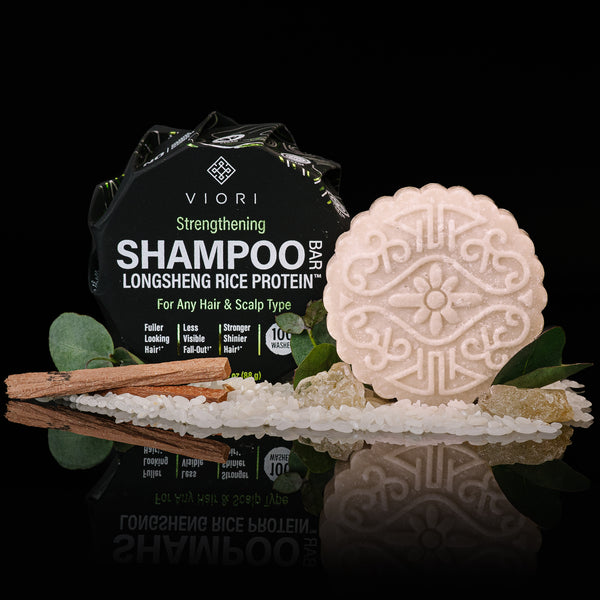
The Three Non-Negotiable Pillars of a Real Shampoo Bar
For a bar to earn its place in your shower, it needs to be a complete hair care system. Here’s what to look for:
- A pH-Balanced Base: This is the foundation. It must protect your scalp's acid mantle to maintain healthy, smooth hair.
- A Gentle, Effective Cleanser: Look for mild, plant-derived surfactants. They should clean thoroughly without the harsh stripping or waxy residue of traditional soap.
- Integrated Conditioning Agents: Washing removes protective oils. Conditioning ingredients are crucial to smooth the hair cuticle, provide slip, and protect strands until your natural oils replenish. A bar that only cleanses is only doing half the job.
Scent as a Secret Weapon
This is a pro tip you don't often hear: scent can be functional. It's not just about a nice smell.
- A bar with bright citrus notes often leverages citric acid, which can help gently dissolve excess oil-perfect for oilier scalps.
- Warmer, floral, or musky scents are frequently paired with ultra-moisturizing formulas designed for normal to dry hair.
- A truly fragrance-free option is essential for those with sensitivities, proving that thoughtful formulation caters to everyone.
This level of detail shows a brand understands that your scent preference is often linked to your hair's needs.
WHAT CUSTOMERS ARE SAYING
Real reviews for Rice Water Shampoo Bar – All Hair Types | VIORI
Forget "Simple." Seek "Smart."
The takeaway isn't to give up on shampoo bars. Their benefits-less plastic waste, concentrated formulas, avoiding harsh chemicals-are too good. The shift is in what you search for.
Stop chasing a "simple shampoo bar recipe." Start looking for an intelligently balanced shampoo bar formulation. One where every ingredient has a purpose, where the pH is respected, and where cleansing and conditioning work as a team. Creating this at home is a complex science. For most of us, the win is becoming a savvy consumer who can spot the difference between a disguised bar of soap and a true, hair-healthy masterpiece. Your hair will thank you for it.


