
Let's cut through the noise. You've probably scrolled through endless shampoo bar reviews, only to feel more confused. One person swears it's a miracle, the next claims it caused chaos. After twenty years as a stylist, I get it. The real story isn't in the star ratings-it's in the science most people never talk about.
NOT SURE WHICH PRODUCT IS RIGHT FOR YOU?
TAKE THE QUIZTakes 30 seconds · 134,000+ customers matched
So, let's ditch the hype and get into what actually matters. This isn't about a trend; it's about understanding your hair's biology and choosing a product that respects it.
The pH Factor: Your Scalp's Secret Language
Here’s the game-changer most reviews skip: your scalp is a finely tuned ecosystem with a preferred pH of 4.5 to 5.5, slightly acidic. This "acid mantle" is your natural barrier. Many cleansers, including bars made with traditional soap, are highly alkaline. Using them is like throwing your scalp's delicate balance completely out of whack.
The immediate result? Hair cuticles lift, causing frizz and dullness. Your scalp panics and overproduces oil. This damaging cycle is often wrongly called a "transition period." A truly well-formulated bar is pH-balanced to clean effectively without declaring war on your scalp's natural state.
Fermentation: The Ancient Ritual with Modern Science
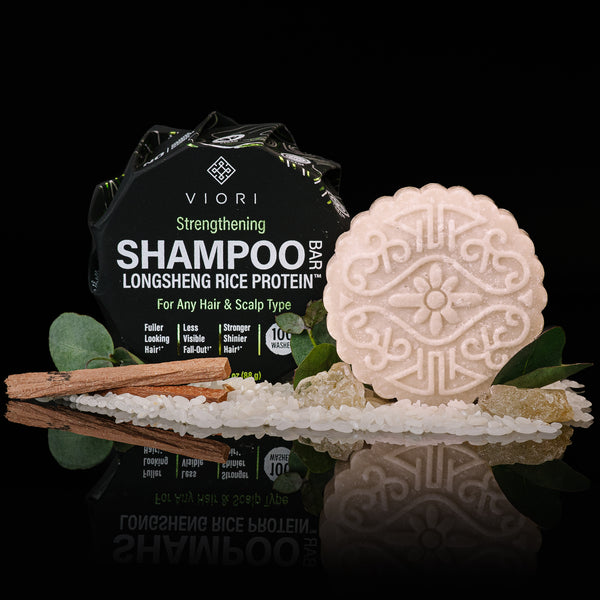
You hear "ancient ingredient" a lot. The magic, however, is in the preparation. Take fermented rice water. The fermentation process isn't just tradition-it's bio-activation.
It boosts levels of nutrients like inositol and panthenol, which are proven to strengthen hair and reduce breakage. Crucially, fermentation breaks compounds into smaller molecules. This increases bioavailability, meaning these nutrients can actually penetrate the hair shaft to repair from within, rather than just coating the surface.
Why Your Nose Knows More Than You Think
We often choose scent based on preference alone. But in a thoughtfully crafted bar, fragrance is functional. A citrus-forward scent often pairs with natural, gentle clarifying properties suitable for oily hair. A warm, vanilla-musk or soft floral blend typically complements more hydrating formulas for dry hair. An unscented option is essential for sensitivity, proving efficacy doesn't require perfume.
What "Sustainable" Really Means
Ditching the plastic bottle is a fantastic start. But genuine sustainability is a deeper commitment. It's ethical sourcing, biodegradable packaging, and even the design of accessories like bamboo holders that help your bar last longer by drying properly. It's a holistic view of the product's entire journey.
A Stylist's Realistic Timeline for Results
Forget overnight miracles. Here’s what you can realistically expect from a high-quality, pH-balanced bar:
WHAT CUSTOMERS ARE SAYING
Real reviews for Hidden Waterfall Barra de Champú
- First Few Washes: Hair feels clean but not stripped. Your scalp feels comfortable, not tight or itchy.
- Within 2-3 Weeks: You’ll likely notice more shine and softness as hair cuticles lay flatter. Your wash schedule might even start to stretch.
- After 1-2 Months: This is where the strengthening benefits shine. You should see less breakage and an overall improvement in your hair's resilience and health.
Your Checklist for Choosing Wisely
Before you buy, ask these pro-level questions:
- Is the formula pH-balanced for scalp health?
- Are key ingredients, like rice water, fermented for maximum benefit?
- Does the scent profile align with my hair type's needs (e.g., clarifying for oily, hydrating for dry)?
- Does the brand's sustainability promise extend beyond the package to sourcing and ethics?
The right shampoo bar isn't just a cleaner; it's a foundation for long-term hair health. When you find one that masters the balance of smart science and genuine care, you're not just washing your hair-you're nurturing it.


