
After twenty years behind the chair, I've heard the same frustrated confession more times than I can count: "I'm using exactly what you recommended, but my hair still doesn't look salon-fresh at home."
We troubleshoot everything-water temperature, how you're applying products, how much you're using. But here's what almost nobody considers: that innocent-looking shower gel on your caddy might be quietly undoing everything your shampoo and conditioner are trying to achieve.
I know it sounds dramatic. How could what you use on your body possibly mess with your hair? Let me walk you through the chemistry lesson that's been hiding in plain sight in your shower this whole time.
Your Shower Isn't Actually Separate Zones
Think about your typical shower for a second. You're standing in an enclosed box filled with hot steam, water bouncing off every surface, products mixing in the air and swirling together down the drain. We like to imagine our hair products and body products live in completely different worlds, but the reality is way messier than that.
When you pump out shower gel and work it into a lather, you're not just cleaning your skin. You're creating what the cosmetic chemistry nerds call a "surfactant interference environment." Fancy term, I know, but stay with me.
Here's what's actually going down:
Those tiny droplets of body wash don't just disappear down the drain-they get suspended in all that steam around you. They settle on the walls, on your skin, and yes, on your freshly shampooed and conditioned hair. If your shower gel has aggressive cleansing agents (and most do), you're basically giving your hair an accidental second wash with a formula that was never designed for delicate hair fibers.
In two decades of working with every hair type you can imagine, I can tell you this affects everyone-but it's absolutely devastating if you're investing in color treatments, keratin services, or dealing with fragile, processed hair.
The Chemistry Fight Happening on Your Head
Let me get slightly geeky for a minute here. I promise it's worth it.
NOT SURE WHICH PRODUCT IS RIGHT FOR YOU?
TAKE THE QUIZTakes 30 seconds · 134,000+ customers matched
Really good hair conditioners work at a pH of about 3.5 to 5.5. This slightly acidic environment is crucial because it helps close your hair cuticle-those tiny shingle-like layers that make up your hair's outer surface. When that cuticle lies flat, your hair looks shiny, feels smooth, and actually holds onto all those beneficial ingredients from your conditioner.
Most conventional shower gels? They're operating at a pH of 9 to 10-highly alkaline. That's what creates that luxurious, bubbly lather we've all been trained to associate with "clean."
But here's the issue: When even small amounts of that alkaline body wash hit your conditioned hair (through steam, splash-back, or just plain runoff), it forces your hair cuticle right back open.
I call this "the revolving door effect." Your conditioner carefully deposits proteins, moisture, and protective stuff while closing the cuticle. Then your body wash waltzes in and props that door back open, letting everything rinse away before it can actually help your hair.
It's like spending an hour organizing your closet and then someone walks through opening every drawer and cabinet door.
Why This Really Matters If You're Using Quality Hair Products
This becomes especially relevant if you're using high-quality, salon-grade products or natural alternatives like Viori.
Premium hair care systems are designed to work together. The shampoo preps, the conditioner treats and seals-every step is pH-balanced and meant to complement the others. These companies invest serious resources creating formulations where the chemistry actually cooperates.
But they have absolutely zero control over what body products you're using at the same time.
The products I see working beautifully-like Viori's rice water-based formulations-contain really thoughtfully selected ingredients:
- Longsheng rice water packed with natural proteins and vitamins
- pH-balanced formulas that respect your hair's natural acidity
- Gentle cleansing systems that don't strip everything away
- Nourishing ingredients designed to actually bond with your hair shaft
All of this careful formulation can get completely compromised if you're simultaneously using a body wash loaded with harsh sulfates that's operating at a totally different pH level.
It's like preparing a gourmet meal with premium ingredients and then accidentally adding dish soap to the sauce. The chemistry just doesn't play nice.
The Protein Problem Everyone's Ignoring
If you're using products with rice protein, keratin, or other strengthening ingredients (which a lot of my clients are, especially those using Viori's rice-based stuff), this chemical conflict becomes even more important.
These proteins work by actually attaching to your hair cuticle at a specific pH level. They're not just sitting on top-they're forming bonds with the hair structure itself. That's how they actually strengthen and repair damage.
But proteins are delicate little things. The alkaline environment created by conventional body washes can break down these protein bonds before they've even had time to set properly.
I've watched clients invest in gorgeous, natural hair care systems rich in rice protein and plant-based ingredients, only to see disappointing results because their body wash was literally working against everything their hair products were trying to do.
The Hard Water Plot Twist
If you live somewhere with hard water (and statistically, most of you probably do), this problem gets exponentially worse.
Hard water has dissolved minerals in it-mostly calcium and magnesium. These minerals already mess with how well your hair products work. But when you combine hard water with an alkaline shower gel, you create what chemists call "soap scum syndrome."
And here's the gross truth: that soap scum isn't just forming on your shower walls. It's forming microscopically on your hair shaft too.
The calcium in your water binds with ingredients in traditional body washes to create deposits that won't dissolve. Over time, these build up on your hair, causing:
- Progressive dullness because the mineral coating literally blocks light reflection
- Increased breakage since rough deposits catch and tear at the cuticle
- Product buildup that even clarifying treatments struggle to fully remove
I've had clients come in completely confused about why their hair feels coated and heavy despite using gentle, natural products. When we detective-work it back, it's usually this hard water plus conventional body wash combination creating invisible buildup.
The Real Results I've Actually Seen
I'll be honest-when I first started paying attention to this about seven years ago, I was skeptical that body wash could make that big a difference.
So I started tracking results with clients who were struggling despite doing everything "right" with their hair routine. I had them switch to pH-balanced, gentle body cleansers while keeping literally everything else identical.
The improvements were kind of remarkable:
- Color lasted 30-40% longer, especially those fussy fashion colors and highlights
- Keratin treatments extended 3-4 weeks beyond their typical lifespan
- Dramatic frizz reduction, even on non-wash days
- Clients needed fewer leave-in products because their hair was actually retaining its conditioned state
This wasn't wishful thinking or placebo effect. It was basic chemistry finally being respected instead of contradicted.
One client with highlighted blonde hair had been battling brassiness between salon visits. We hadn't touched her purple shampoo or toner routine, but within two weeks of switching to a gentler, pH-appropriate body wash, the yellow tones calmed down significantly. Why? Because her cuticle was staying closed enough to actually retain the toning products instead of having them constantly stripped away.
What Actually Makes a Shower Gel "Hair-Friendly"?
So what should you look for if you want your body cleanser to peacefully coexist with your hair care investment?
1. pH Balance (4.5-5.5 range)
This matches the acidic environment your hair thrives in. Most shower gels won't list pH on the label, which is usually a red flag that it's alkaline. Hair-conscious formulations will often specifically mention being pH-balanced.
2. Sulfate-Free Cleansing
Look for gentle surfactants instead of harsh sulfates:
- Sodium cocoyl isethionate (coconut-derived, very gentle)
- Cocamidopropyl betaine (adaptable, non-stripping)
- Decyl glucoside (plant-derived, mild)
These provide adequate cleansing without that aggressive degreasing action that affects hair.
3. Complementary Ingredients
The absolute best scenario? Body products that actually share beneficial ingredients with your hair care.
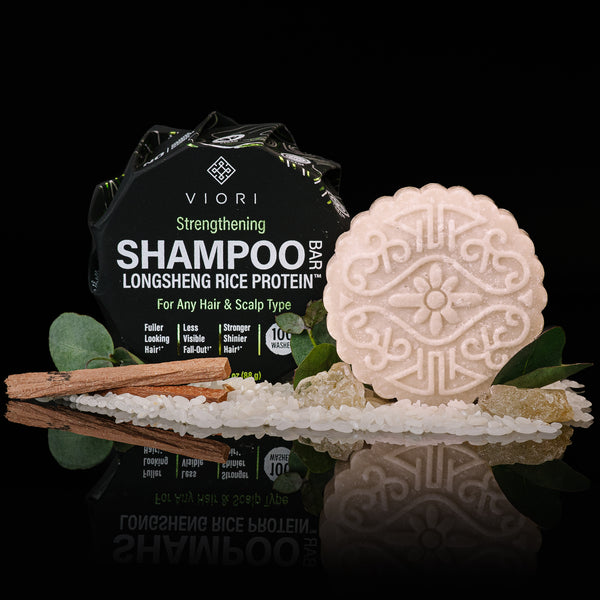
This is one reason I appreciate what Viori's done with their bars-they use the same Longsheng rice water fermentation in both hair and body products. The chemistry is harmonious because it's literally the same foundational ingredient. Your body bar isn't chemically fighting with your shampoo bar; they're working from the same gentle, pH-appropriate formula base.
4. What to Avoid
- Sodium lauryl sulfate (SLS) or sodium laureth sulfate (SLES)
- Bar soaps with high pH (that squeaky-clean feeling is actually stripping)
- Heavy fragrances and dyes (irritants that serve no real purpose)
- Formulations that leave visible film on your shower walls (if it's coating your tiles, it's coating your hair)
The Quick Self-Test
Not sure if your current shower gel is hair-friendly? Try this:
The Skin Feeling Test: After washing, does your skin feel tight, squeaky, or stripped? That extreme "clean" sensation means the formula is highly alkaline and stripping natural oils. It's doing the same thing to any hair it contacts.
The Shower Wall Test: Do you get soap scum buildup on your shower surfaces? Those deposits are accumulating on your hair too, even if you can't see them.
The Next-Day Hair Test: On days you don't wash your hair, how does it feel? If it seems rougher, less shiny, or harder to manage than it should be, ambient exposure to your body products might be affecting it.
My Professional Recommendation Hierarchy
Based on two decades of troubleshooting hair issues, here's how I guide clients:
Best Case Scenario: Integrated Systems
Use body products that share the same formulation philosophy as your hair care. Viori's approach is a perfect example-their body bars use the same rice water fermentation, pH-balanced formulation, and gentle ingredients as their shampoo and conditioner bars. There's no chemical conflict because the chemistry is harmonious by design.
Second Best: pH-Matched Alternatives
If you prefer liquid products or want variety, seek body washes specifically formulated in the 4.5-5.5 pH range. These won't disrupt your hair care chemistry even with ambient exposure.
Acceptable Compromise: Ultra-Gentle Cleansers
Some dermatologist-recommended body washes are formulated to be so gentle and close to neutral pH that they don't create significant chemical interference. They won't enhance your hair care, but they won't sabotage it either.
The Bigger Picture: Ecosystem Thinking
What really fascinates me about this whole topic is how it represents a fundamental shift in how we should think about beauty products.
WHAT CUSTOMERS ARE SAYING
Real reviews for Hidden Waterfall Barra de Champú
For decades, the industry has maintained strict category separations. Hair care over here, body care over there, never the two shall meet. But chemistry doesn't respect marketing categories.
In Asian beauty markets, you'll find products specifically labeled as "hair treatment compatible" or "color-safe for whole-body use" because these beauty cultures understand ecosystem thinking-designing products that work harmoniously together rather than in isolation.
Western beauty marketing is finally catching up to this reality. Brands like Viori, which formulate with whole-body harmony in mind rather than isolated categories, represent where the industry needs to go.
When every product in your shower shares a compatible pH profile and gentle ingredient philosophy, everything works better. Your hair retains treatments longer. Your skin maintains its protective barrier. You actually use less product overall because nothing is fighting against anything else.
The Bottom Line for Your Hair
If you're investing in quality hair care-whether that's salon treatments, premium products, or natural alternatives like Viori's rice-based system-your shower gel isn't a separate, unrelated decision.
It's part of the same chemical equation.
Every product you use in that enclosed, humid shower environment is interacting with every other product, whether it's designed to or not. Steam doesn't discriminate. Water doesn't separate. Chemistry doesn't pause just because we've categorized products differently in our heads.
The most advanced hair care formulations today are genuine achievements-rice water fermentation technologies, plant-based protein systems, bond-building complexes. But they can be undermined by the simple assumption that what touches your body can't affect your hair.
After twenty years of seeing this play out on literally thousands of heads of hair, I can tell you: the shower is a shared chemical environment, not separate zones.
What to Do Right Now
You don't need to throw out your entire shower collection tomorrow. But if you're struggling with hair issues despite using quality products, or if you've made a significant investment in your hair care routine, consider this:
- Check your current body wash ingredients. Look for sulfates in the first few ingredients listed.
- Pay attention to how your hair feels on non-wash days. Is it rougher or less manageable than it should be?
- Consider switching to a pH-balanced, hair-compatible body cleanser. This is especially important if you color your hair, have keratin treatments, or use protein-rich hair products.
- If you're already using a complete system like Viori's bars, recognize that you've already solved this problem. The body bar and hair bars share compatible chemistry-no conflict, just harmony.
- Give it time. You might notice improvements within a week or two, but the full benefits become apparent over a month as buildup clears and your hair can finally retain the treatments you're giving it.
Final Thoughts from Behind the Chair
In my salon, I see the results of every product decision my clients make, even the ones they don't think matter. The woman who can't figure out why her expensive highlights fade so fast. The guy whose hair won't hold shape despite using premium styling products. The client who swears she's doing everything right but still battles frizz.
Often, the answer isn't in changing their hair products-it's in looking at the complete shower ecosystem.
Your hair doesn't exist in a vacuum. It responds to the total chemical environment you create, and that includes the seemingly unrelated bottle of body wash sharing your shower caddy.
The beauty industry has gotten incredibly sophisticated in recent years. We have access to ingredients and formulation technologies that would have seemed like science fiction twenty years ago when I started my career. Rice water fermentation. Plant-based protein reconstruction. Natural preservation systems.
But sophistication in one area means nothing if we're creating chemical chaos in another.


