
Shampoo bars are usually marketed with the same few talking points: less plastic, great for travel, “lasts forever,” smells amazing. And yes-Viori shampoo bars check those boxes. But if you’re trying to figure out whether a bar will make your hair look shinier, feel softer, or stay cleaner longer, the packaging angle isn’t the most important part.
Here’s the piece that rarely gets explained: a shampoo bar isn’t simply liquid shampoo in a solid shape. It’s a different physical system-an anhydrous, compressed cleansing matrix. That one difference changes how the product spreads, how it deposits on hair, how it rinses, and how much friction you create while washing. And friction, in the real world, can make or break your results.
Why a shampoo bar behaves differently than liquid shampoo
With liquid shampoo, product distribution is easy: squeeze, lather, spread. A bar works differently because it encourages one of two habits-either rubbing the bar directly on the hair or building lather in your hands first. Those two methods can lead to completely different outcomes, even with the exact same formula.
The overlooked variable: friction (the “hidden” source of frizz and fading)
Hair doesn’t just respond to ingredients-it responds to mechanics. In hair science there’s a whole field, tribology, focused on friction and wear. You don’t need the textbook version to benefit from it; you just need to know this: more friction usually means a rougher cuticle surface, and a rougher cuticle often shows up as tangles, frizz, dullness, and breakage.
NOT SURE WHICH PRODUCT IS RIGHT FOR YOU?
TAKE THE QUIZTakes 30 seconds · 134,000+ customers matched
If you rub a bar directly onto your hair, you’re creating more localized pressure and friction. If you lather in your palms first and apply with your hands, you typically get better distribution and a gentler cleanse-especially through the lengths.
Viori also recommends lathering in your hands rather than rubbing the bar directly on your head. From a stylist’s perspective, that’s not a throwaway tip-it’s the difference between a bar feeling luxurious and a bar feeling “draggy” on certain hair types.
What’s inside Viori shampoo-and why it feels so different on the scalp
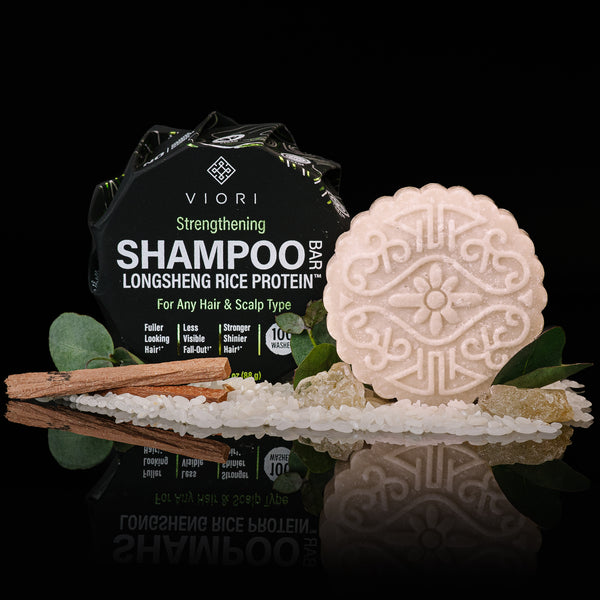
Viori shampoo bars use Sodium Cocoyl Isethionate (SCI) as the cleanser. In practical terms, SCI is known for producing a creamy, dense foam and for feeling milder than harsher cleansing systems when it’s properly formulated.
That matters because a scalp that feels stripped isn’t always a scalp that’s truly “clean.” Over-cleansing can lead to tightness, irritation, and for some people, a cycle where the scalp seems to get oily again faster. A gentler cleanser can help you hit that sweet spot: clean hair, comfortable scalp, and ends that don’t feel like straw.
pH balance: the quiet reason your hair looks shiny (or doesn’t)
One of the most important technical details in Viori’s formulation philosophy is that their bars are pH balanced. If you’ve ever used a product that left your hair feeling squeaky, rough, or tangled the second you rinsed, there’s a decent chance the pH and cleansing strength weren’t doing your cuticle any favors.
When hair lives in a more hair-friendly pH range, the cuticle tends to behave better-lying flatter, reflecting light more evenly, and feeling smoother to the touch. It’s not magic. It’s chemistry and cuticle mechanics working together.
The “hybrid shampoo” effect: cleansing with built-in conditioning support
This is one of the most interesting and least-discussed parts of Viori shampoo bars: they aren’t built with a simple “cleanse only” mindset. Their shampoo formula includes Behentrimonium Methosulfate (BTMS), a conditioning agent more commonly associated with conditioners.
Hair-especially hair that’s color-treated, heat-styled, or naturally textured-often carries a negative charge in water. Conditioning agents are typically positively charged, which helps them cling to the hair surface. The result, when balanced well, is often better slip during washing and less of that rough, grabby feeling that can cause tangling.
There is a nuance here: if your hair is very low porosity or easily weighed down, anything that deposits too heavily can build up over time. That doesn’t mean Viori won’t work for you-it means your technique and bar choice matter more (and you may want a more cleansing-leaning option depending on your scalp).
Fermented Longsheng rice water: benefits without the common DIY pitfalls
Rice water routines are everywhere, but DIY versions come with two issues: concentration is inconsistent, and frequent high-strength use can throw off scalp and hair comfort for some people. Viori specifically notes they use a lower concentration of Longsheng rice water because high concentrations can disrupt pH if used too often or too much.
They also include supportive ingredients commonly associated with improved feel and resilience, such as inositol (Vitamin B8), panthenol (Vitamin B5), and hydrolyzed rice protein. Hydrolyzed proteins are broken into smaller pieces, which can make them more practical for surface-level strengthening and smoother feel-without the “hard coating” sensation some people associate with heavier protein routines.
Scent isn’t just scent: why Viori bars can feel different from one another
Most haircare companies treat fragrance as purely sensory. Viori takes a more functional approach in their recommendations. For example, they note that Citrus Yao contains citric acid, which can help break down oil more effectively-one reason it’s often recommended for normal-to-oily scalps.
In contrast, Viori positions other options as more suitable for dry-to-normal scalp types, and they offer Native Essence as an unscented choice for those who prefer no added fragrance or have a more sensitive scalp.
Color-treated hair and shampoo bars: the real issue is friction
You’ll sometimes hear a blanket statement that shampoo bars “strip color.” In my experience, the bigger culprit is usually how the bar is used. Rubbing a bar directly on the hair can increase friction, and friction can encourage cuticle disruption-making it easier for color to fade, especially if your color is less permanent.
If you want to be gentler on color while using Viori shampoo, focus on two things: minimize friction and keep cleansing where it belongs (the scalp).
- Lather in your hands instead of rubbing the bar directly on your hair
- Cleanse the scalp; let suds rinse through the ends
- Use cooler water when you can
- Follow with conditioner through mid-lengths and ends
How to choose a Viori bar like a pro (scalp-first thinking)
A salon-grade routine treats the scalp and the lengths as two different materials. Your scalp is living skin with oil flow and sensitivity triggers. Your lengths are older fiber that need lubrication and protection. Viori’s recommendations line up well with that reality.
If you’re not sure where you fall, Viori describes scalp types in a simple, useful way:
WHAT CUSTOMERS ARE SAYING
Real reviews for Hidden Waterfall Barra de Champú
- Oily scalp: feels oily 1-2 days after washing
- Normal scalp: feels oily around day 3
- Dry scalp: feels oily 4+ days after washing
From there, many people do well with:
- Citrus Yao: commonly preferred for normal-to-oily scalps
- Terrace Garden / Hidden Waterfall / Native Essence: commonly preferred for dry-to-normal scalps
- Native Essence: a go-to for those who want an unscented option
My stylist method: how to use Viori shampoo bars for the best hair day
If you want the “why does my hair feel amazing?” version of results, use enough water and treat the bar like a lather builder-not a scrubber.
- Soak hair thoroughly-bars perform best when there’s plenty of water to work with.
- Rub the bar between your palms to build a creamy lather.
- Apply lather to your scalp and massage with fingertips (not nails).
- Add small amounts of water as you go to keep the lather slippery and mobile.
- Rinse well and let the suds cleanse the lengths as they run through-avoid scrubbing ends.
- Follow with a conditioner bar through mid-lengths to ends, then detangle gently.
The storage detail that affects performance (not just longevity)
Viori notes most customers get 60+ washes, but only if the bar is allowed to dry between uses. When a bar stays wet, it dissolves faster and you can accidentally apply more product than you need-which can leave some hair types feeling heavier or harder to rinse clean.
Keep your bar out of direct water spray and let it fully air-dry between washes. That simple habit keeps dosing consistent and helps the bar behave the way it was designed to.
Final thought: Viori bars are a hybrid cleansing system-so treat them like one
The most interesting thing about Viori shampoo bars isn’t that they’re solid. It’s that they’re built to cleanse with a mild cleanser, support slip with conditioning architecture, and deliver fermented Longsheng rice water in a pH-balanced formula. That combination is why people often describe the results as soft, clean, and shiny-without the heavy residue feeling they expect from some bar products.
If you want help choosing the best Viori match, start with your scalp (how quickly you get oily), then factor in porosity and whether your hair is color-treated. When those pieces line up, shampoo bars stop being a gamble and start being a genuinely upgraded wash routine.


