
If you’ve read a handful of shampoo bar reviews, you’ve probably noticed they’re all over the place. One person swears a bar made their hair glossy and bouncy, and the next says it left them frizzy, tangled, and coated. That doesn’t mean anyone is exaggerating-it usually means the review is missing the information that truly determines whether a bar will work for you.
After 20 years behind the chair, here’s my honest take: with shampoo bars, formula matters, but water chemistry and how you apply the bar can matter just as much. So instead of another “it was amazing” or “it ruined my hair” recap, this post will help you judge shampoo bars like a pro-using real, practical hair science you can feel in the shower.
First: Not All “Shampoo Bars” Are the Same Thing
Before you trust any review, you need to know what type of bar the person is talking about. A lot of disappointment comes from mixing up two totally different categories.
1) Surfactant-based shampoo bars (solid shampoo)
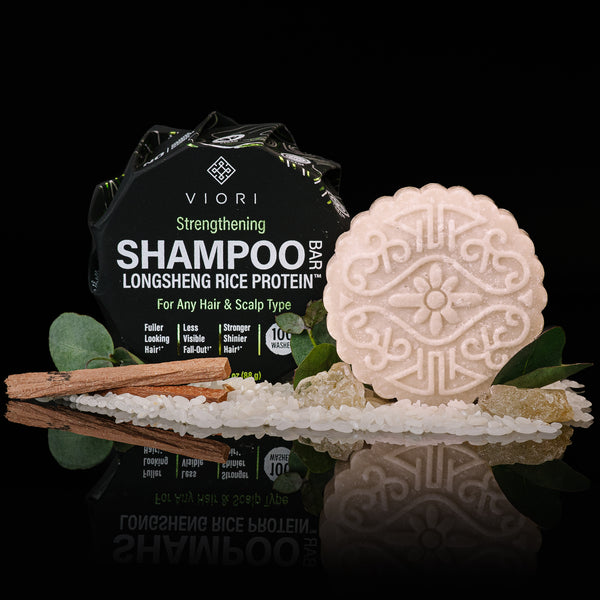
These are essentially liquid shampoo in solid form: a cleanser (surfactant) plus conditioning and supportive ingredients. Viori is in this category and uses Sodium Cocoyl Isethionate (SCI), a gentle, coconut-derived cleanser known for creating a rich lather without the harsh feel people associate with traditional sulfate cleansers.
NOT SURE WHICH PRODUCT IS RIGHT FOR YOU?
TAKE THE QUIZTakes 30 seconds · 134,000+ customers matched
The advantage here is control: surfactant-based bars can be made pH balanced for hair, which helps with shine, smoothness, and overall manageability.
2) Soap-based bars (true soap)
These are made through saponification (the process that turns oils into soap). Soap typically runs more alkaline, and alkaline products tend to raise the cuticle, which can translate to more tangling, frizz, dullness, and faster color fade-especially if your water is hard.
If a review says “it made my hair squeaky,” it’s often describing an alkaline effect on the cuticle, not necessarily “deep cleaning.”
The Factor Most Reviews Ignore: Your Water Can Change Everything
This is the part that rarely gets discussed clearly online, but it’s one of the biggest reasons bar reviews are so inconsistent: hard water.
Hard water contains higher levels of calcium and magnesium. Those minerals can cling to the hair, interfere with how products rinse, and leave a film that people often describe as “buildup”-even when they’re not using heavy styling products.
What mineral film looks like (and why it gets mislabeled)
- Waxy or coated feeling, especially mid-lengths
- Hair that seems to get dull no matter what you use
- Curls that lose definition or feel “heavy”
- Hair that feels like it doesn’t want to get fully wet
If you’re reading a review and the person never mentions water type, take their “buildup” comments with a grain of salt. They may be reviewing their shower, not just the bar.
The Salon Secret: The Friction-Cuticle-Color Triangle
Here’s the piece that I wish every shampoo bar review included: how the bar was applied. Bars are hands-on by nature, and technique can quietly make or break your results.
When people rub a bar directly onto the lengths, that creates localized friction. Friction can rough up the cuticle, increase tangles, and make ends feel dry even if the formula is gentle. It can also matter a lot if you color your hair.
If you have color-treated hair, pay attention to this
Hair color longevity isn’t only about whether something is “color-safe.” It’s also about cuticle behavior. Excess friction can lift the cuticle and encourage pigment to slip out faster-especially with toners, semi-permanent color, or more fragile color services.
Viori’s best-practice tip is spot on: build lather in your hands and apply the lather through your hair rather than scrubbing the bar directly against your head and lengths. If you’re going to judge a bar fairly (and protect your hair), that technique matters.
pH Balance: Not a Buzzword, a Cuticle Setting
Think of pH like a “setting” that influences how the cuticle behaves. When hair products stay in a hair-friendly pH range, the cuticle is more likely to lie flatter-meaning more shine, less frizz, and less snagging.
Viori emphasizes that their bars are pH balanced, which is important because overly alkaline products can contribute to dryness and damage over time. When someone says a bar left them frizzy, puffy, or rough, I immediately want to know whether the product was pH balanced and whether they have hard water.
Why Conditioner Bars Don’t Foam (and Why That’s a Good Thing)
A common complaint in conditioner bar reviews is, “It didn’t lather, so I don’t think it worked.” That’s not really how conditioner is supposed to behave.
Shampoo foams because it contains a cleanser designed to lift oil and debris. Conditioner is meant to deposit slip and softness. Viori explains this clearly: conditioner bars often create a paste-like feel rather than suds, and a little goes a long way.
What you should evaluate instead of bubbles
- Do your fingers glide more easily through wet hair?
- Is detangling faster and gentler?
- Do the ends feel softer after drying?
- Is there less static or “flyaway” behavior?
Viori’s conditioner uses Behentrimonium Methosulfate (BTMS), a widely used conditioning ingredient that improves combability and slip. The name sounds intimidating, but it’s not the same thing as harsh cleansing sulfates people try to avoid in shampoos.
Fermented Rice Water + Protein: Strength That Needs Balance
One reason many people reach for Viori is the use of fermented Longsheng rice water along with ingredients like hydrolyzed rice protein, plus nutrients associated with fermentation such as inositol (Vitamin B8) and panthenol (Vitamin B5).
In real-world hair terms, that combination often supports smoother feel, strength, and shine. The nuance, though, is dosage and frequency. Viori notes they use a lower concentration of rice water because overly concentrated rice water routines can disrupt scalp and hair pH if used too often or too heavily. That’s an important detail if your hair is sensitive or your scalp is reactive.
WHAT CUSTOMERS ARE SAYING
Real reviews for Hidden Waterfall Barra de Champú
Your Scalp Type Should Choose Your Bar (Not Just Your Hair Texture)
One of the most helpful ways to approach shampoo bars is to pick based on scalp behavior. Texture matters, but your scalp is the living tissue that sets the oil schedule.
Viori’s guidance aligns well with what I see in the salon:
- Citrus Yao is often recommended for normal-to-oily scalps, and the scent system includes citric acid, which helps break down oil.
- Terrace Garden, Hidden Waterfall, and Native Essence are commonly recommended for normal-to-dry scalps.
- Native Essence is unscented and tends to be a smart choice for people who are fragrance-sensitive or have very reactive scalps.
The pro move: split your routine
If you have an oily scalp but dry ends (very common), you’ll often get the best outcome by treating them like two different zones: cleanse the scalp appropriately, then condition the lengths like they’re their own priority.
How to Read Shampoo Bar Reviews Like a Professional
If you want reviews that actually predict results, look for the details that make a review useful. If they’re missing, you’re reading an opinion-not a case study.
- Water type: hard, soft, well water, or water softener
- Scalp timeline: oily in 1-2 days, normal around day 3, dry 4+ days
- Porosity and damage: bleached, color-treated, heat-styled, chemically processed
- Application method: palm-lather vs rubbing the bar on lengths
- Rinse habits: thorough rinse and whether they finish cooler
- Time frame: did they stick with it long enough to evaluate fairly?
The Bottom Line
A shampoo bar “review” shouldn’t be judged only by scent, price, or how long it lasts. The real test is how well the bar works within your whole system: your water, your scalp oil pattern, your hair’s porosity and damage level, and your technique.
If you want the most consistent results with Viori, focus on three things: choose based on scalp type, reduce friction by lathering in your hands, and give your hair a realistic adjustment window before you decide it’s a yes or no.


