
Let's be real. You've probably tried a shampoo bar. Maybe it was fine. Maybe it left your hair feeling weird, waxy, or just… wrong. I get it. In my twenty years behind the chair, I’ve seen the fallout from formulas that prioritize being "natural" over being effective. The truth is, crafting a shampoo bar that actually works for your hair is a serious scientific endeavor, not just a cute DIY project. Today, we're going beyond the basics to uncover the hidden complexities of cold process shampoo bars-and what separates the truly transformative from the tragically disappointing.
NOT SURE WHICH PRODUCT IS RIGHT FOR YOU?
TAKE THE QUIZTakes 30 seconds · 134,000+ customers matched
The pH Problem: Why Your Scalp Is Throwing a Fit
Here’s the core issue most recipes ignore: your hair and scalp thrive in a slightly acidic environment (a pH of about 4.5 to 5.5). Traditional cold process soap, however, is naturally alkaline (pH 8-10). That difference isn't just a number on a scale. An alkaline product lifts your hair's protective cuticle, like raising the shingles on a roof. The result? Moisture escapes, frizz invades, and damage follows. Many bars are essentially repurposed body soap, leaving your hair "clean" but compromised. The real magic happens with post-saponification pH balancing-a technical, non-negotiable step for hair health that separates a proper shampoo bar from a glorified soap.
Heat & Heartbreak: When Good Ingredients Go Bad
The cold process creates its own heat, enough to degrade the very ingredients you're counting on. That beloved hydrolyzed rice protein for strength? Those precious botanical extracts for shine? They can break down completely during the chemical reaction. This is why simply mixing oils, lye, and trendy additives often fails. Sophisticated formulation uses a staged addition process, introducing delicate actives only after the initial heat subsides. It’s the difference between tossing fresh herbs into a raging boil versus stirring them in at the end-you preserve the flavor, or in this case, the function.
Debunking the Biggest Shampoo Bar Myths
Let's clear the air on some common misconceptions I hear every day in the salon.
- Myth 1: "All-Natural Means Gentle." Tell that to your hair after a wash with a highly alkaline bar. Gentleness comes from pH balance and smart formulation, not just an "all-natural" label.
- Myth 2: "They Work The Same For Everyone." Your water hardness is the silent saboteur. Hard water minerals bind to soap, creating a filmy residue that no amount of rinsing fixes. A great bar accounts for this chemistry.
- Myth 3: "You Don't Need Conditioner." Washing removes protective oils. A conditioner seals the cuticle and replenishes that protection. Skipping it leaves your strands vulnerable to damage. Period.
The Scent is the Secret (And It's Not Just About Smell)
Ever wonder why a brand would offer different scents for different hair types if the base formula is the same? Here's the insider knowledge: the functional components of a scent can survive the formulation process and actually work on your hair. A citrus scent isn't just refreshing-it often contains citric acid that helps balance oil. The scent profile is a clue to the bar's purpose, revealing which beneficial compounds were robust enough to make it from the mixing bowl to your shower.
From Ancient Ritual to Modern Miracle
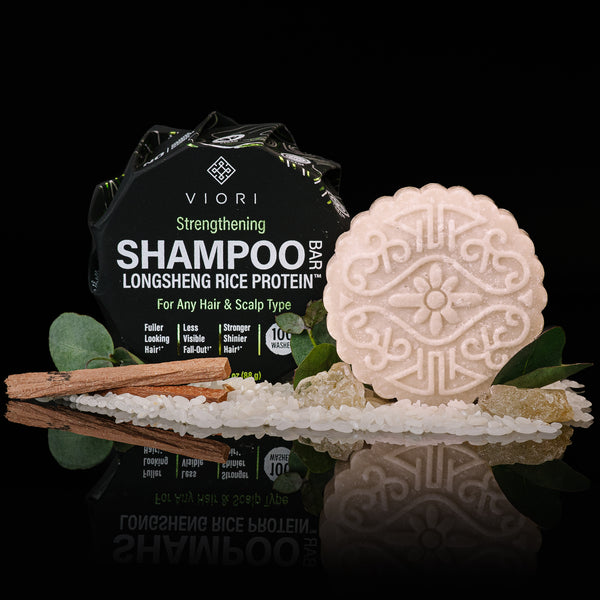
The most compelling stories in hair care bridge timeless tradition with modern science. Consider the ancient practice of fermenting rice water for long, strong, shiny hair-a ritual celebrated for generations. The challenge is bottling that wisdom. The secret isn't just adding rice water to a recipe. It's about honoring the complete ritual before the chemistry begins, fermenting it traditionally to develop key nutrients, and then skillfully weaving that potent extract into the cold process at the perfect moment. It's preservation, not just addition.
WHAT CUSTOMERS ARE SAYING
Real reviews for Hidden Waterfall Barra de Champú
Your Checklist for a Truly Great Bar
Ready to find a bar that won't let you down? Use this professional checklist:
- Demand pH Balance: This is the foundation. It must be formulated for hair.
- Look for Dual Action: Does it contain gentle conditioning agents to offset cleansing? A bar that only strips is only doing half the job.
- Question the "Actives": How are delicate proteins and botanicals protected during the hot saponification process? If they aren't, they're useless.
- Think Sustainable: True care extends to ethical sourcing and plastic-free, biodegradable packaging.
Finding a shampoo bar that gets it right is a revelation. It’s the satisfying click of a puzzle piece you didn't know was missing-where ancient wisdom meets precise science to give you hair that doesn't just look clean, but is fundamentally, radiantly healthy.


