
For twenty years, my clients have confided in me, their voices hushed with worry as they point to hair left in the brush. "It's falling out," they say. I've seen the panic, the frantic online searches, the cabinet full of "miracle" cures. But from this side of the shampoo bowl, the truth is often simpler-and more surprising. The real culprit behind hair fall isn't always genetics or stress. Sometimes, it's the very product you're using to try and fix it.
NOT SURE WHICH PRODUCT IS RIGHT FOR YOU?
TAKE THE QUIZTakes 30 seconds · 134,000+ customers matched
The journey to thicker, stronger hair doesn't start with a harsh, clinical formula. It begins with a fundamental shift: seeing your shampoo not as a simple cleanser, but as the guardian of your scalp's delicate ecosystem. When that ecosystem is balanced, your hair has the foundation it needs to thrive. When it's disrupted, shedding follows. Let's break down why this happens and how to choose a shampoo that truly supports resilience from the root.
Hair Fall Isn't the Problem-It's the Alarm Bell
Think of excessive shedding like a check engine light. It's a warning signal that something under the hood-or in this case, under your hair-is out of balance. From a technical standpoint, that imbalance usually boils down to one of three core issues on the scalp.
- The Great pH Robbery: Your scalp has a natural, slightly acidic protective film called the acid mantle. This is its first line of defense. Many common shampoos are highly alkaline, which acts like a chemical strip, destroying this protective barrier. The result? A vulnerable scalp and hair shafts with rough, open cuticles that snap and break easily.
- The Starved Follicle: Your hair follicles are tiny, hungry engines. They need constant fuel in the form of proteins and vitamins. Harsh cleansers can wash away these essential nutrients along with the dirt, leaving follicles malnourished and unable to produce strong, healthy hair.
- The Inflamed Territory: A scalp that's dry, tight, or itchy is a scalp under stress. This inflammation is a direct threat signal to your hair follicles, often triggered by cleansers that damage the skin's natural moisture barrier. A stressed scalp is not a growing scalp.
The Anatomy of a Truly Supportive Shampoo
So, what does a shampoo built to correct these imbalances look like? It’s formulated with intention, focusing on correction and nourishment over aggressive cleaning.
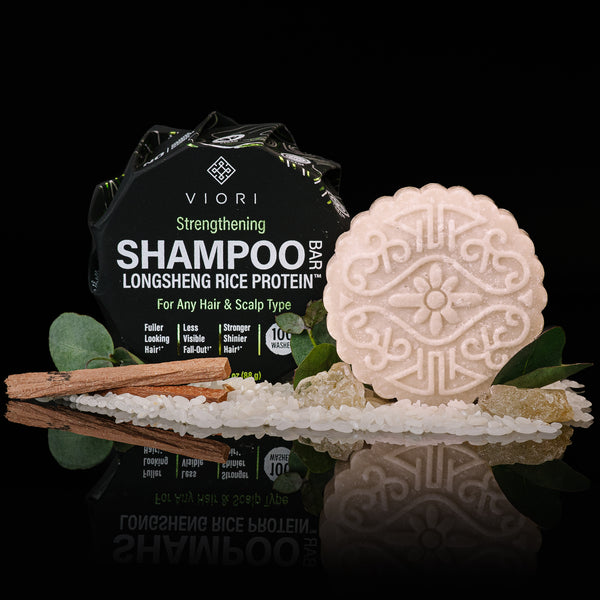
- pH Balance is Non-Negotiable: The formula must be meticulously balanced to match your scalp's natural, slightly acidic environment. This is the single most important step in preserving your scalp's health and keeping hair cuticles smooth and sealed.
- Cleanse with Intelligence, Not Force: We need to retire the idea that a "squeaky clean" feel is good. That sensation often means your natural, protective oils are gone. The goal is a gentle surfactant system derived from natural sources that removes buildup without declaring war on your scalp's microbiome.
- Deliver Real Nutrition: The shampoo should act as a nutrient delivery system. Look for ingredients like hydrolyzed proteins (to reinforce the hair shaft internally) and key vitamins like Panthenol (B5) and Inositol (B8), which are clinically recognized for supporting follicle health and hair strength.
- Soothe and Restore the Barrier: Ingredients like natural butters and soothing botanicals (aloe is a superstar) help calm irritation and repair the scalp's moisture barrier. A calm scalp is a hospitable home for hair.
Your Personalized Prescription: It's All About Scalp Type
There's no one-size-fits-all answer. The right choice depends entirely on your scalp's unique condition.
If your scalp tends to be oily or normal-to-oily, you need a formula that manages sebum without triggering dryness. A blend with gentle, natural citrus elements can help break down excess oil while maintaining that critical pH balance.
If your scalp is dry, normal, or sensitive, your mission is hydration and barrier repair. Seek out nourishing formulas rich in emollients. For those with sensitivity or conditions like psoriasis, a fragrance-free option is often the wisest, gentlest path to avoid inflammatory triggers.
The Professional's Final Word: Patience & Perspective
Here is the advice I give to every client in my chair: Stop hunting for a "hair loss" shampoo and start investing in a "scalp health" shampoo.
You must manage your expectations. Hair grows in cycles that last around three months. Commit to a new, gentle regimen for at least one full cycle-often 2 to 3 months-to allow your scalp to reset and for new growth to emerge.
WHAT CUSTOMERS ARE SAYING
Real reviews for Hidden Waterfall Barra de Champú
Your action plan is simple: assess your scalp's true condition, choose a pH-balanced formula focused on gentle nutrition, use it consistently, and pair it with a good conditioner. Track your progress with monthly photos, not daily drain inspections.
True change comes from nurturing the foundation. By choosing a shampoo that respects your scalp's biology, you're not just washing your hair-you're cultivating the healthy ground from which strong, resilient hair can grow. That’s the secret we stylists know, and it’s one that can transform your hair’s future.


