
Unwrapped soap feels like the simplest choice you can make in the bathroom: no bottle, no pump, no extra packaging-just a bar that works. But the moment you store that bar in a warm, steamy shower, it stops being “simple” and starts behaving like a tiny chemistry project.
After 20 years of working with hair and product performance, I can tell you this: most complaints about unwrapped bars-mushiness, slime, scent fading, residue-aren’t really about the bar being “bad.” They’re almost always about what your bathroom environment is doing to the bar between uses.
The part that rarely gets discussed online is the real culprit behind nearly every unwrapped soap problem: moisture management. Not just “keep it dry,” but the deeper, nerdier version-how water moves, sits, evaporates, concentrates minerals, and changes the bar’s surface over time.
The Bathroom “Microclimate” Is the Hidden Villain
Your shower isn’t a stable environment. It’s a cycle of extremes that repeats over and over:
NOT SURE WHICH PRODUCT IS RIGHT FOR YOU?
TAKE THE QUIZTakes 30 seconds · 134,000+ customers matched
- Hot water creates steam and high humidity
- Air cools down and causes condensation
- Direct splashes keep the bar’s surface wet
- Drying is often slow or incomplete, especially in enclosed showers
That cycle matters because a bar doesn’t just get wet and then dry. It can stay partially hydrated at the surface for hours-long after your shower ends. And that’s where texture changes, faster wear, and “weird performance” usually begin.
The Most Important Concept Nobody Mentions: Water Activity
You’ll see the advice “keep your soap dry” everywhere. It’s not wrong-it’s just not specific enough. What really determines how stable an unwrapped bar stays is something called water activity (often written as aw).
Think of it this way: it’s not only how much water a bar has, but how much of that water is available on the surface to cause change. When a bar sits in a high-humidity shower, the surface can hold onto moisture even when it looks fine at a glance.
When surface water activity stays high, you’re more likely to notice:
- Softening and a gel-like outer layer
- Sticky or tacky feel
- Faster dissolving (your bar “melts” quickly)
- Ingredient migration that can look like sweating or weeping
In other words, the bar isn’t misbehaving-your shower is encouraging it to stay in a semi-wet, high-reactivity state.
Why Some Bars Go From Firm to Mushy: Structure Shifts at the Surface
Here’s a detail most people never consider: bars aren’t perfectly uniform inside. Over time they can develop harder and softer regions. In practical terms, this often shows up as a bar that starts out firm and later becomes “gummy” on the outside.
Heat and humidity can push the outer layer toward a softer, more reactive structure, which is why storage and airflow matter so much. If a bar can dry thoroughly and consistently, it tends to stay more stable-and last longer.
Residue Isn’t Always the Bar’s Fault-It’s Often Mineral Chemistry
If you live with hard water, you already know the struggle: cloudy shower doors, buildup on fixtures, and hair that sometimes feels less slippery than it should. Unwrapped bars can seem like the cause, but a lot of the time the real issue is mineral content in the water (especially calcium and magnesium).
Here’s the sneaky part: if your bar sits in a little puddle, that puddle evaporates and leaves behind concentrated minerals on the bar’s surface. Next time you use it, you’re essentially reintroducing that concentrated layer back into the routine.
This can contribute to:
- Hair feeling draggy or less “slippy”
- Less visible shine over time
- More frequent buildup on shower surfaces
That’s why “keep it out of water” is only half the message. The other half is: prevent mineral-rich water from drying onto the bar.
Scent Changes Unwrapped (And It’s Not Just “It Fades”)
When a bar is unwrapped, it’s exposed to air, humidity, and oxygen every day. That changes how fragrance behaves. Some scent notes are naturally more volatile and disappear first, while heavier notes stick around longer. The result is a scent that can shift over time-not necessarily worse, just different.
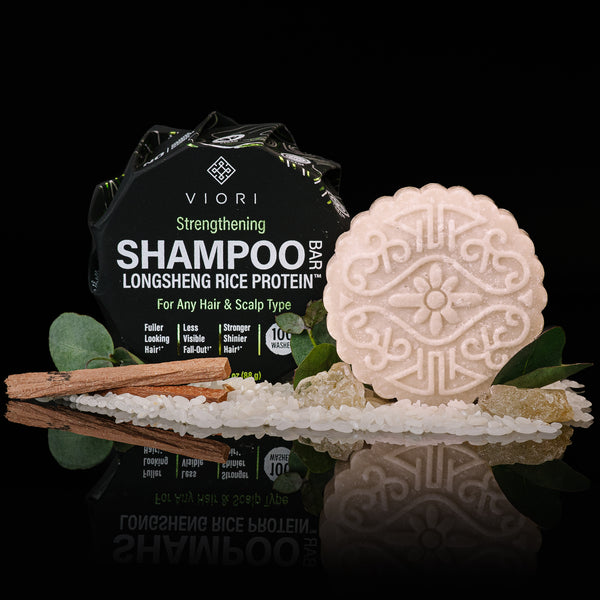
Viori’s scented options each have their own vibe-like the bright, mixed citrus character of Citrus Yao, the sweet vanilla-musk feel of Hidden Waterfall, and the fresh green-floral profile of Terrace Garden. If you prefer no added fragrance at all, Native Essence is Viori’s unscented option.
Is Unwrapped Soap “Self-Cleaning”? The Honest, Useful Answer
This topic gets oversimplified online. Many bars can be naturally unfriendly environments for microbial growth when they’re allowed to dry properly. But a bar that stays wet can collect residue (skin cells, product film, bathroom aerosols) and develop that familiar “slimy” feeling or an off smell.
For most people, the day-to-day issue is less about fear and more about comfort and performance: how it feels, how it lasts, and whether it stays pleasant to use.
Unwrapped Hair Bars: The Real Risk Is Friction
When you use a bar on hair, the cuticle is part of the conversation. A bar that’s softened from humidity can transfer more product per swipe, and that often leads to more friction during application. Too much friction can rough up the cuticle, encourage tangling, and make hair feel less smooth-especially if it’s porous, damaged, or color-treated.
WHAT CUSTOMERS ARE SAYING
Real reviews for Hidden Waterfall Barra de Champú
Viori specifically recommends building lather in your hands and working it through your hair, rather than rubbing the bar directly on your head. From a professional standpoint, that’s a smart technique: it reduces mechanical stress and helps distribute product more evenly.
The Unwrapped Setup That Actually Works: Drainage + Airflow + Placement
If you want an unwrapped bar to stay solid, last longer, and perform consistently, focus on three things:
- No standing water under or around the bar
- Airflow so the surface can dry thoroughly
- Less steam exposure (even moving it a foot can help)
Viori’s bamboo holders are designed to keep bars lifted so they can air out and dry between uses. Since bamboo is a natural, untreated material, it does best when it’s kept away from direct water contact and heavy steam, and wiped down occasionally. Viori also notes that curing the holder (soaking in cooking oil and warming it briefly) can help prevent mold.
A Simple Routine for Unwrapped Success
If you want the easiest way to avoid mushy bars and inconsistent results, follow this:
- Store smart: Keep your bar out of direct spray and away from the steamiest spot in the shower.
- Let it drain: Use a holder that allows airflow and doesn’t trap water underneath.
- Use gentle technique on hair: Lather in your hands first, then apply with your fingers.
- Expect some scent evolution: Unwrapped storage naturally changes how fragrance presents over time.
The Bottom Line
Unwrapped soap is absolutely worth it-but it’s not “set it and forget it.” The bar you love can turn messy or underperform when it’s constantly stuck in a damp, mineral-rich microclimate.
Once you manage moisture with better drainage, airflow, and placement, an unwrapped bar becomes what it was meant to be: simple, satisfying, and consistent-right down to the last sliver.


