
I still remember the sinking feeling I got when Maria sat in my chair last spring. She'd been my client for six years-I knew every cowlick, every stubborn patch, every quirk of her hair. But something was drastically wrong. Her normally shiny, healthy strands looked like straw. Dull. Brittle. Breaking at the ends.
"What happened?" I asked, running my fingers through hair that felt nothing like it should.
She pulled out a bottle from her bag, eyes lighting up. "I've been using this! Remember that show I was obsessed with in high school? They finally made shampoo with the characters on it!"
My heart sank. I knew exactly what had happened-and I see it more often than you'd think.
After twenty years behind the chair, I've had every hair conversation imaginable. We talk about cuts and color, obviously. But increasingly, the conversations that matter most happen when I'm holding a bottle my client brought from home, explaining why their hair isn't responding the way they hoped.
Today I want to talk about something the beauty industry doesn't really want you thinking about: character-licensed shampoos. Specifically, those anime and pop culture products that pull at our heartstrings with childhood nostalgia. Because what I've learned about how these products are made-and what gets sacrificed in the process-reveals something important about the gap between marketing and actual hair health.
The Money Trail Nobody Shows You
Here's what changed my perspective entirely: learning where your money actually goes when you buy a character-branded product.
A few years back, I became friendly with a cosmetic chemist at a trade show. Over drinks, she explained something that made my stomach turn. When a company licenses popular characters-whether it's from an anime series, a superhero franchise, or any beloved property-they're paying substantial licensing fees. Sometimes 20-30% of the product's retail price goes straight to the rights holders.
Let that sink in for a moment. On a $12 bottle of shampoo, $3-4 might go toward licensing before a single ingredient gets purchased.
She sketched it out for me on a napkin (I still have that napkin, actually):
NOT SURE WHICH PRODUCT IS RIGHT FOR YOU?
TAKE THE QUIZTakes 30 seconds · 134,000+ customers matched
Character-licensed shampoo at $12:
- $3-5 for licensing fees and character packaging
- $2-3 for the bottle, label, and boxing
- $1-2 for ingredients and manufacturing
- $2-3 for distribution, marketing, and retail markup
- $1-2 in profit margin
Quality-focused shampoo at $12:
- $0 for licensing
- $1-2 for sustainable packaging
- $4-6 for premium ingredients and ethical manufacturing
- $2-3 for distribution and retail
- $1-2 in profit margin
The difference is staggering. When licensing eats up a third of your purchase price, the actual formula inside becomes an afterthought. Companies have to use cheaper base ingredients just to maintain their margins. That means harsh sulfates instead of gentle cleansers. Synthetic fragrances instead of essential oils. Silicones that create the illusion of health rather than ingredients that build actual strength.
I'm not saying every character product is poorly formulated. But the business model creates powerful incentives to cut corners where consumers can't easily see them-in the ingredient list.
The Age Problem That Nobody's Talking About
There's this weird disconnect that fascinates me. Who actually buys anime-character shampoo featuring shows from the '90s and early 2000s? Not kids-they weren't even born when these series aired. It's adults in their late twenties, thirties, even forties. People who grew up with these shows and feel genuine nostalgic attachment.
But here's the problem: adult hair has completely different needs than the one-size-fits-all formulations these products typically offer.
I turned 42 this year, and my own hair is nothing like it was at 22. It's drier. Less elastic. More prone to breakage. This isn't unique to me-it's what happens to everyone's hair as we age:
- Sebum production decreases, making hair naturally drier
- The hair shaft itself becomes finer and more fragile
- Color treatments (which most adults use) create porosity that requires specific care
- Hormonal shifts affect texture, thickness, and growth patterns
- Years of heat styling create cumulative damage that needs repair
- Early graying changes protein structure, requiring different treatment
The 35-year-old buying a nostalgic character shampoo probably needs targeted moisture treatment, frizz control, volume support, or damage repair. Instead, they're getting a generic formula designed for the broadest possible market-which means it's optimized for no one in particular.
It would be like creating a clothing line featuring beloved childhood characters but only making them in a single size. The emotional appeal is there, but the actual utility? Not so much.
The Formulation Time Warp
I've noticed something else troubling: character-licensed products seem frozen in time, formula-wise. While independent brands and quality-focused companies have spent the last decade reformulating away from harsh ingredients, many licensed products still use the same old approaches from 15 years ago.
Why? My cosmetic chemist friend explained it comes down to three factors:
Cost control. After paying licensing fees, companies need the cheapest possible formulations to maintain margins. Harsh sulfates and conventional preservatives are dirt cheap. Gentle, modern alternatives cost more.
Shelf stability. Character products might sit in warehouses for months before selling. Older formulations with synthetic preservatives and stabilizers last longer, reducing the risk of returns or waste.
Legal caution. Large companies with licensed properties are risk-averse. They'd rather use ingredients with 50 years of legal precedent than innovative alternatives that might theoretically pose any liability.
The result? While the consumer buying these products is probably environmentally conscious, researches their skincare, and reads food labels, their nostalgic shampoo often contains:
- Sodium lauryl sulfate or sodium laureth sulfate (harsh detergents that strip natural oils)
- Parabens (conventional preservatives with ongoing controversy)
- Synthetic fragrance (potential irritants, especially for sensitive scalps)
- Drying alcohols (create immediate styling benefits but damage over time)
- Heavy silicones (coat hair with buildup rather than truly conditioning)
These aren't necessarily dangerous ingredients. But they represent an outdated philosophy-one that prioritizes immediate cosmetic effects and indefinite shelf life over genuine long-term hair health.
What Your Hair Actually Needs
Whether you're evaluating a character product or anything else, I walk my clients through the same checklist. Here's what actually matters:
Gentle, sulfate-free cleansing. Look for sodium cocoyl isethionate, decyl glucoside, or coco betaine. These clean effectively without stripping your hair's natural protective oils.
pH balance. This is huge and rarely discussed. Hair and scalp are slightly acidic (pH 4.5-5.5). Alkaline products-even if they clean well-gradually damage the cuticle. Over months and years, this creates dullness, porosity, and breakage.
Real protein content. Hydrolyzed rice protein, wheat protein, or silk protein actually penetrate the hair shaft and rebuild strength. Not all proteins are equal-molecular size matters for absorption.
Genuine moisturizing ingredients. Natural oils, plant butters, glycerin, and panthenol (vitamin B5) provide lasting hydration. Silicones create the feeling of conditioning without the actual benefit.
Beneficial botanical extracts. Ingredients like chamomile, green tea, aloe vera, and ginseng aren't just marketing fluff-they have documented benefits for scalp health and hair protection.
Natural preservation systems. Modern alternatives to parabens include phenoxyethanol (derived from green tea), potassium sorbate, and natural preservation blends. They work without the controversy.
The Joy Factor (And Why It Actually Matters)
I need to acknowledge something important: emotional connection to your hair care routine isn't trivial.
I've had clients who never consistently conditioned until they bought a treatment in packaging they found beautiful. The aesthetic appeal created a ritual they actually looked forward to. That consistency-even with a merely decent product-produced better results than sporadic use of something technically superior.
If a character-branded shampoo genuinely makes you excited about washing your hair, if it transforms a mundane task into a moment of joy, that has real value. The psychology of self-care matters.
But-and this is crucial-that emotional benefit shouldn't require accepting an inferior formulation.
There's no technical reason why a product can't deliver both joy and professional-grade results. Beautiful packaging and meaningful experiences don't necessitate cheap ingredients. Current market incentives maintain that separation, not manufacturing realities.
You should be able to have both. The question is whether the product you're considering actually delivers on both fronts.
The Cultural Disconnect That Drives Me Crazy
This part genuinely frustrates me as someone who values both professional efficacy and cultural authenticity.
Most anime and Asian pop culture character products are made by Western companies that license the characters but completely ignore the rich hair care traditions of the cultures they're borrowing from. It's a massive missed opportunity-both culturally and formulaically.
Japanese and broader Asian hair care traditions have given us some of the most effective natural ingredients known to modern hair science:
Rice water. The Yao women of Huangluo village in China maintain jet-black, floor-length hair well into their 80s through traditional fermented rice water. This isn't folklore-modern research confirms rice water strengthens hair through protein binding, increases elasticity, reduces surface friction, and delivers inositol that repairs damage from the inside out.
Camellia oil (tsubaki oil). Used in Japan since the Heian period (794-1185 AD), it's exceptional for sealing moisture, adding luminous shine, and protecting against environmental damage.
Fermented ingredients. Traditional Asian preservation methods don't just extend shelf life-they enhance nutritional content and create beneficial compounds through controlled bacterial processes.
Seaweed and algae extracts. Rich in minerals that strengthen hair structure and support scalp health.
Imagine a character-licensed line that actually honored the cultural origins of the properties it's using. Products formulated with traditional Asian ingredients, backed by both centuries of use and modern scientific validation. That would be authentic, culturally respectful, and genuinely effective.
Instead, most character products are just standard Western formulations with anime characters slapped on the bottle. It feels like a betrayal of the very culture being commodified.
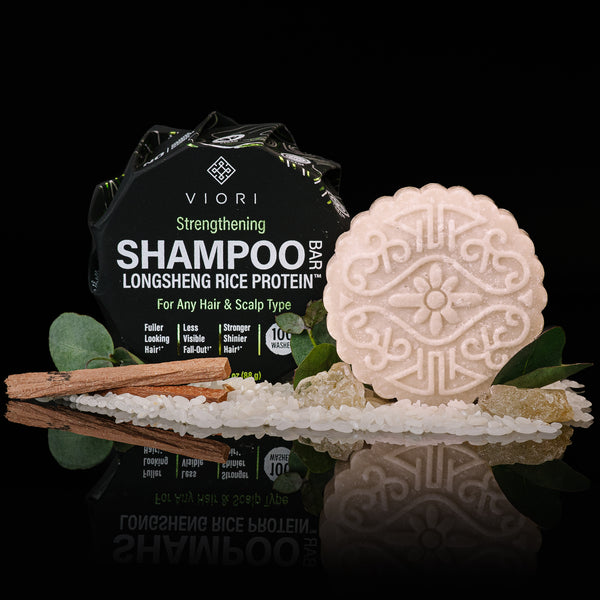
At Viori, this cultural authenticity is foundational to everything we do. We work directly with the Red Yao tribe, using their traditional fermented rice water recipe that's been refined over 2,000 years. We're not borrowing their cultural imagery for marketing-we're honoring their actual traditional wisdom with formulations that deliver the results they've always known these ingredients provide.
When Character Products Make Sense (And When They Don't)
I get asked constantly whether character-branded products are "worth it." My answer is never simple, because it depends on your specific situation.
Consider character products if:
- You've read the full ingredient list and verified it matches your hair's specific needs
- The formulation avoids harsh sulfates, drying alcohols, and ingredients you're sensitive to
- You understand you're paying extra for licensing and packaging, not necessarily superior ingredients
- The emotional value genuinely enhances your routine and increases consistency
- Your hair is relatively healthy without significant concerns requiring targeted treatment
Skip character products if:
WHAT CUSTOMERS ARE SAYING
Real reviews for Hidden Waterfall Barra de Champú
- You have specific concerns (damage, thinning, excessive dryness, scalp issues) that need professional solutions
- You're working with a limited budget and need maximum value from every dollar
- The ingredient list contains known irritants, allergens, or components incompatible with your hair type
- You're expecting professional results at mass-market pricing
- You value sustainable sourcing, ethical production, and minimal environmental impact
The Questions That Cut Through Marketing Noise
To navigate any hair care purchase-character-branded or otherwise-I walk through these five questions:
1. What specific concern am I trying to address?
Get precise. Volume? Moisture retention? Oil control? Damage repair? Scalp health? Color protection? Each requires different active ingredients. "Clean hair" isn't specific enough.
2. Does this formulation actually target that concern?
Look beyond marketing claims to the actual ingredient list. The first 5-7 ingredients comprise 80%+ of the formula. Are they addressing your specific need, or are the beneficial ingredients so far down the list they're essentially decorative?
3. Am I paying extra for licensing rather than superior ingredients?
Compare cost per ounce (or per wash for bars) to non-licensed alternatives. Is the price difference justified by formulation quality, or am I funding character rights?
4. Could I achieve better results with a quality-focused alternative at the same price?
Sometimes character products cost the same or even less than premium alternatives. But often you're paying significantly more for the packaging than the contents.
5. Does this align with my values?
Consider sustainability, cruelty-free certification, ingredient sourcing, packaging waste, and company ethics. Does your purchase support practices you believe in?
What Professional Results Actually Look Like
After two decades of professional practice, I know what genuine hair transformation looks like. I've watched clients reverse years of damage by switching from harsh, stripping formulas to gentle, pH-balanced alternatives. I've seen thinning hair regain density with proper protein treatment. I've witnessed color-treated hair maintain vibrancy months longer with appropriate protection.
These results don't require expensive salon-exclusive products. They require understanding what your specific hair needs and choosing formulations that prioritize effectiveness over packaging appeal.
The transformations I see most consistently happen when clients switch from conventional shampoos (character-branded or otherwise) to properly formulated alternatives:
- Reduced frizz and increased smoothness within 2-3 weeks
- Enhanced shine and light reflection as the cuticle repairs
- Stronger, more elastic strands that resist breakage
- Healthier scalp with reduced irritation or flaking
- Longer-lasting cleanliness between washes
- Improved moisture retention and overall manageability
This isn't magic. It's what happens when you use ingredients that support actual hair biology instead of creating temporary cosmetic effects.
At Viori, we see these results consistently because our formulations are built around ingredients with both historical efficacy and modern scientific validation. Our shampoo and conditioner bars use the same fermented rice water that Yao women have used for 2,000 years-not as a marketing story, but because it genuinely works.
We're sulfate-free and paraben-


