
Let's be honest. You're curious about shampoo bars. The idea is appealing: less plastic, more potent ingredients, a simpler routine. But you're smart. You don't want to buy a full bar only to have it gather dust in your shower. You want a sample. A little try-before-you-buy magic.
NOT SURE WHICH PRODUCT IS RIGHT FOR YOU?
TAKE THE QUIZTakes 30 seconds · 134,000+ customers matched
Here's the problem. Almost every piece of advice out there treats a shampoo bar sample like a tiny bottle of liquid shampoo. They tell you to lather, rinse, and judge. As a stylist who has spent twenty years behind the chair, I'm here to tell you that this common advice is setting you up for disappointment. Sampling a shampoo bar isn't a quick glance in the mirror. It's a short, revealing documentary about your hair's health.
The Great Transition: What's Really Happening in Those First Washes
Your scalp isn't just skin; it's a living, breathing ecosystem with a delicate pH balance. Most traditional shampoos are alkaline invaders in this slightly acidic territory. They strip away everything for that "squeaky clean" feel, which can actually lead to dryness, irritation, and your scalp panicking to produce more oil.
A properly formulated shampoo bar is designed as a respectful guest. It's pH-balanced to clean without declaring war. But-and this is the critical part-if you're coming from a product laden with silicones or heavy surfactants, the first few washes are a reset phase. The bar is diligently clearing the slate, removing the leftover film from your old routine. The texture you feel? That's not the bar. That's your hair and scalp waking up from a chemical haze. Judging a bar now is like reviewing a symphony while the orchestra is still tuning its instruments.
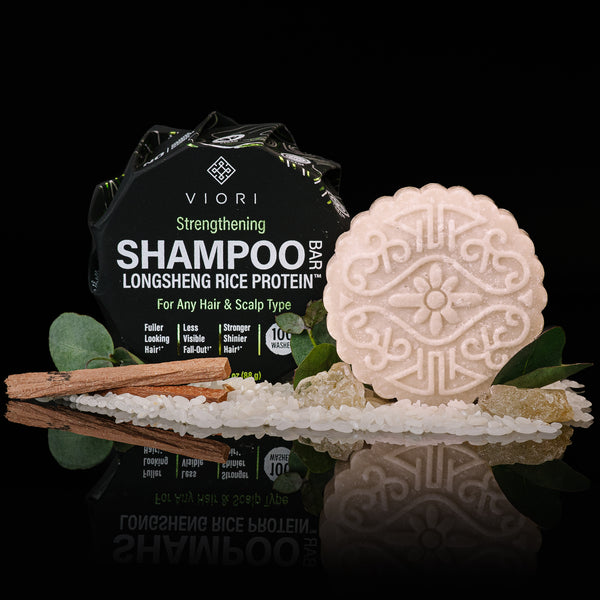
The Sneaky Science Your Sample Isn't Telling You
Think a tiny sliver of a bar acts the same as a full one? Think again. This is the technical nuance rarely discussed.
- The Surface Area Sabotage: A small fragment has a huge amount of surface exposed to air and humidity. It can dry out, become crumbly, and produce a lather that's completely different from a stable, full-sized bar. You're not getting an accurate performance review.
- The Missing Cure: Like a fine cheese or a bar of artisan soap, quality shampoo bars often need time to cure after production. This process hardens them and stabilizes the formula. A sample cut from a bar misses this crucial maturation, so you're not experiencing the product at its best.
Your Scent is Secretly a Superpower
This might be the most important tip you read today. In a well-crafted bar system, fragrance is rarely just about smell. It's a functional guide.
- Choosing a bright, citrus-based bar? You're likely testing a formula with natural oil-balancing properties, perfect for fine or oily hair.
- Drawn to a warm, vanilla, or floral scent? You're probably sampling a blend focused on deep hydration and moisture sealing, ideal for dry or thirsty curls.
- Opting for an unscented version? You've chosen the purest test of the base formula, a safe harbor for sensitive skin and scalps.
Picking a sample based on scent preference alone is like choosing a workout plan based on the color of the leggings. You need to match the function to your hair's needs.
WHAT CUSTOMERS ARE SAYING
Real reviews for Hidden Waterfall Barra de Champú
The Stylist-Approved Sampling Blueprint
Ready to test a bar the right way? Throw out the one-wash wonder idea. Follow this plan instead.
- Get a Real Mini, Not a Sliver. Seek out a true travel-sized or mini bar. This gives you enough product (usually 2-3 weeks' worth) to move past the reset and into the real performance zone. It behaves like a real bar should.
-
Commit to the Three-Act Play. Plan for at least 6-8 washes over two weeks.
- Act I: The Reset (Washes 1-3). Observe the cleanup. Be patient.
- Act II: The Adjustment (Washes 4-6). Your scalp begins to find its natural rhythm. Hair may feel more balanced.
- Act III: The Truth (Wash 7+). Now, assess shine, bounce, manageability, and how long you can go between washes. This is the real review.
- Never, Ever Sample Solo. The conditioner is the shampoo's essential partner. Shampoo opens the hair cuticle to clean; conditioner seals it shut with moisture and protection. You must test the duo. And remember, a good conditioner bar lathers into a rich, creamy paste-not a foam. That's a sign it's working.
- Practice Proper Bar Care. Even during your trial, let the bar dry completely on a well-drained soap dish between uses. This shows you how it will hold up in the long run and prevents a mushy, premature end.
Sampling a shampoo bar with this level of intention transforms the process. You're not just testing a product; you're conducting a fascinating experiment on your own hair's biology. You learn its language. And when you find that perfect bar, the one that makes your hair feel genuinely, healthily itself, you'll know it wasn't just a lucky guess. It was a beautiful discovery.


