comparison · 5 min read
How to Choose a Rice Water Shampoo Bar: What to Compare
The quick answer
The best rice water shampoo bar is the one that suits your scalp, hair type and priorities. Compare the cleanser (sulfate-free or not), whether it's a pH-balanced syndet bar or true soap, options for your hair type, scent, packaging and cost per wash. Read reviews from people with similar hair and water to yours.
- Lather the bar in your hands first to avoid tangles and coated spots.
- Store the bar where it dries between uses, never in standing water.
- Give a new bar a few weeks and change one thing at a time.
The best rice water shampoo bar is the one that suits your scalp, your hair type and what matters most to you, whether that's ingredients, scent, packaging or cost. Before comparing brands, decide on your priorities, then check the label and read reviews with your own hair in mind. Here's what to look at, and what to try if a bar turns out not to be for you.
What is a rice water shampoo bar?
A shampoo bar is solid shampoo: the cleanser is pressed into a bar, so it doesn't need a plastic bottle. A rice water shampoo bar adds rice water or a rice-derived ingredient, such as rice extract or hydrolyzed rice protein. Rice water rinses are a long-standing hair tradition in parts of Asia, and people use rice-based products today mainly for how they make hair look and feel: smoother, shinier and easier to manage.
Rice can show up on a label in different forms and amounts, so two "rice water" bars can be quite different products. The ingredient list tells you more than the name on the front.
What should you compare between shampoo bars?
These are the details that make the biggest difference day to day:
- The cleanser. Sulfate-free bars use milder cleansers and tend to suit dry, curly or color-treated hair. Some people with very oily scalps prefer a stronger clean.
- Syndet bar or true soap. Many shampoo bars are made with synthetic, non-soap cleansers and can be formulated in hair's mildly acidic range, about 4.5 to 5.5. True soap bars, made from saponified oils, are alkaline and can feel rough or coated on hair, especially in hard water. Look for "pH balanced" or "soap-free" if this matters to you.
- Options for your hair type. Check whether there's a formula aimed at your needs, such as oily scalp, dry ends, curls or fine hair.
- Scent. Fragrance is personal. If your scalp is sensitive, see whether a fragrance-free version is available.
- Values. Vegan formulas, plastic-free or compostable packaging, palm oil sourcing and where ingredients come from all vary from brand to brand.
- Cost per wash. A bar's price matters less than how many washes it gives you, which depends a lot on how you store it and how much hair you have.
How to read shampoo bar reviews
Reviews are useful, but two people can use the same bar and have opposite results. The most common complaints usually trace back to a few variables rather than the bar itself:
- Hard water. Words like "waxy," "film" or "never feels clean" often point to mineral-heavy water.
- Technique. Rubbing a bar straight onto the hair can load some areas with too much product and cause tangles. Lathering in your hands first spreads it more evenly.
- Hair type and porosity. Low-porosity hair can feel coated more easily; high-porosity or bleached hair may feel rough without enough conditioner.
- Conditioner. Many "my hair felt rough" reviews come from skipping conditioner or using too little.
The most helpful reviews mention the reviewer's hair type, water and routine. If they're similar to yours, give that review more weight.
What are the alternatives to a rice water shampoo bar?
If you've tried bars and they don't suit you, or you're comparing options, you have several paths:
- A different shampoo bar. If one bar felt heavy or drying, a formula aimed at a different hair type may work better than giving up on bars.
- A liquid rice water shampoo. You get rice-based ingredients in a familiar format, though usually in a plastic bottle.
- A plain sulfate-free shampoo. If rice isn't a priority, a gentle liquid or bar without rice may be all you need.
- A DIY rice water rinse. Some people pair a regular shampoo with a homemade rice water rinse. It's a rinse, not a cleanser, and it should be made fresh and rinsed out well.
How to get the best results from any shampoo bar
- Wet your hair thoroughly.
- Rub the bar between your wet hands, or glide it over the scalp a few times, until you have a lather.
- Massage the lather into your scalp and let it rinse through the lengths.
- Rinse well, then condition your mid-lengths and ends.
- Store the bar somewhere it can dry out between uses, off the shower floor and out of standing water.
Give a new bar a few weeks before deciding. Your scalp and technique both take a little time to adjust, and changing one thing at a time makes it easier to see what's working.
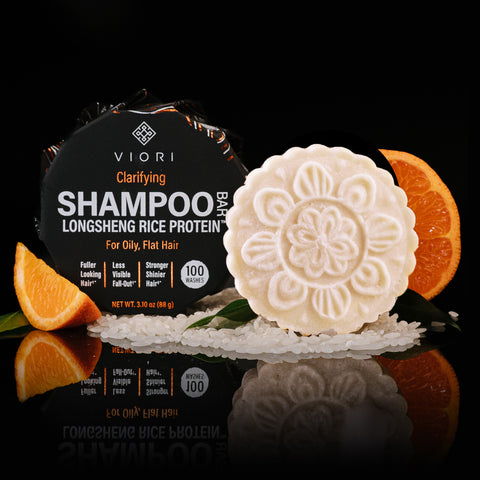
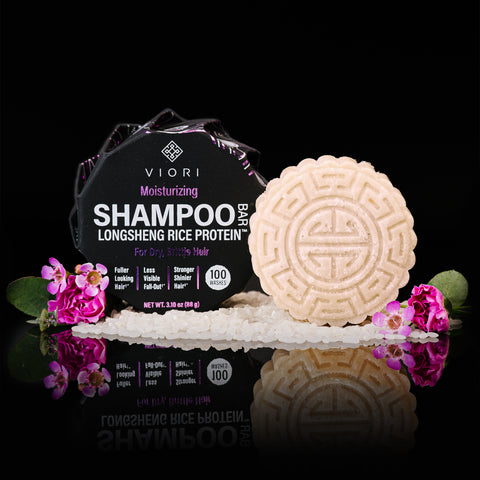
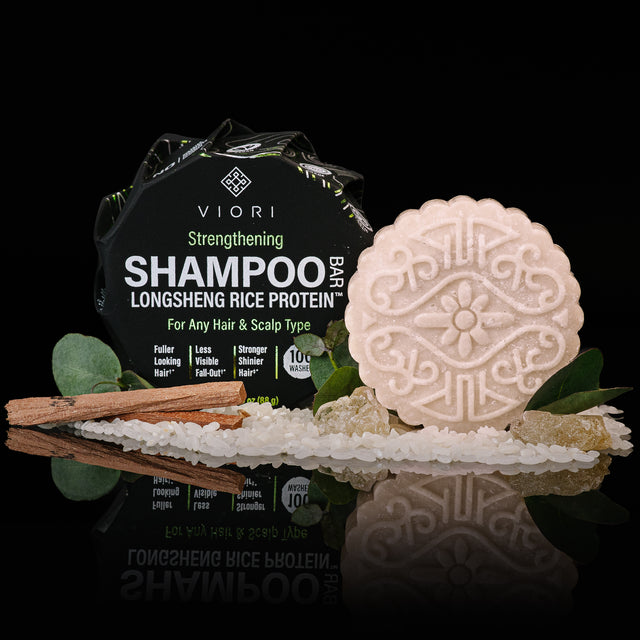
If you're weighing up rice water bars, Viori's rice water shampoo bars are made in Orem, Utah, with Longsheng rice from the Red Yao community in China. They're sulfate-free, vegan and plastic-free. If you'd like help choosing, our hair quiz matches you to a bar based on your hair and scalp.
What customers are saying
There's no single best rice water shampoo bar for everyone. Compare the cleanser, the formula's fit for your hair type, scent, packaging and cost per wash, and read reviews from people whose hair and water look like yours. If bars don't work out, a liquid rice water shampoo, a different gentle shampoo or a rice water rinse can all be good alternatives.
Brand-by-brand comparisons
For side-by-side facts on specific brands, see Viori vs Ethique , Viori vs Kitsch , Viori vs HiBAR and Viori vs Naples Soap .
Common questions
What are the alternatives to a rice water shampoo bar?
You can try a different shampoo bar made for your hair type, a liquid rice water shampoo, a plain sulfate-free shampoo, or a regular shampoo paired with a fresh rice water rinse. The right choice depends on whether you care most about rice ingredients, plastic-free packaging or simply a gentle clean.
How do I tell if shampoo bar reviews apply to me?
Look for reviewers who mention their hair type, porosity, water and routine. Complaints like waxy or coated hair often point to hard water or rubbing the bar directly on hair, not the formula itself. Reviews from people with hair and water like yours are the most useful.
Why does my hair feel waxy after using a shampoo bar?
A waxy feel usually comes from hard water, too much product in one area, or not rinsing enough. Lather the bar in your hands, focus on the scalp and rinse well. True soap bars are more likely to feel coated in hard water than pH-balanced, soap-free bars.
How long does a shampoo bar last?
It depends on how often you wash, how much hair you have and how you store it. A bar that sits in water or shower spray softens and wears down fast. Keeping it on a draining holder, out of the stream, helps it last noticeably longer.
Can a shampoo bar help with hair growth or hair loss?
Shampoo bars, including rice water bars, are cleansers and are best judged on how your hair looks and feels. Hair growth and hair loss have many causes that a shampoo is not designed to address. If you're worried about shedding or thinning, see a dermatologist.