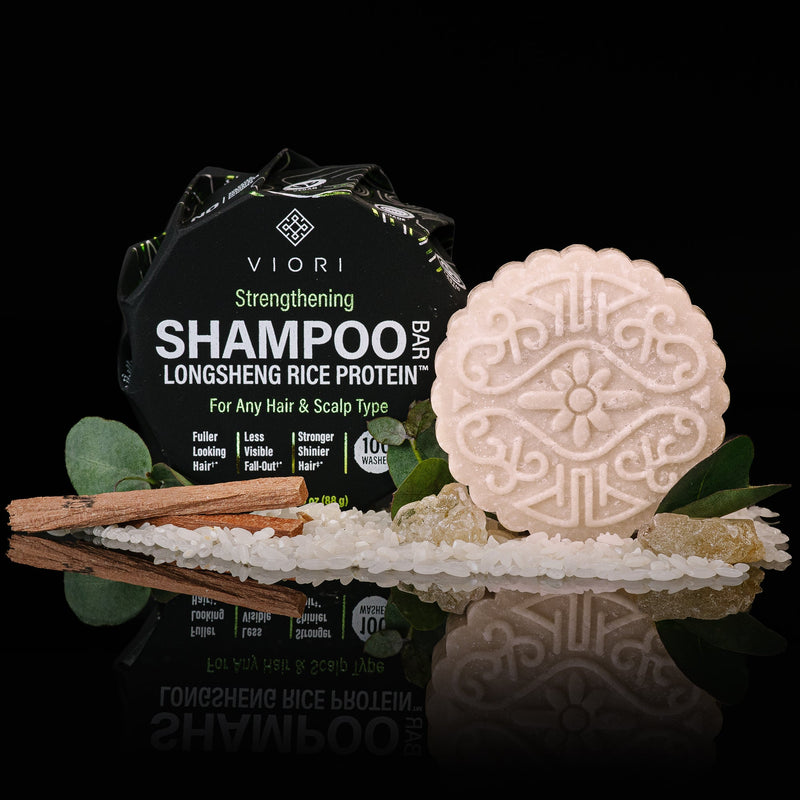
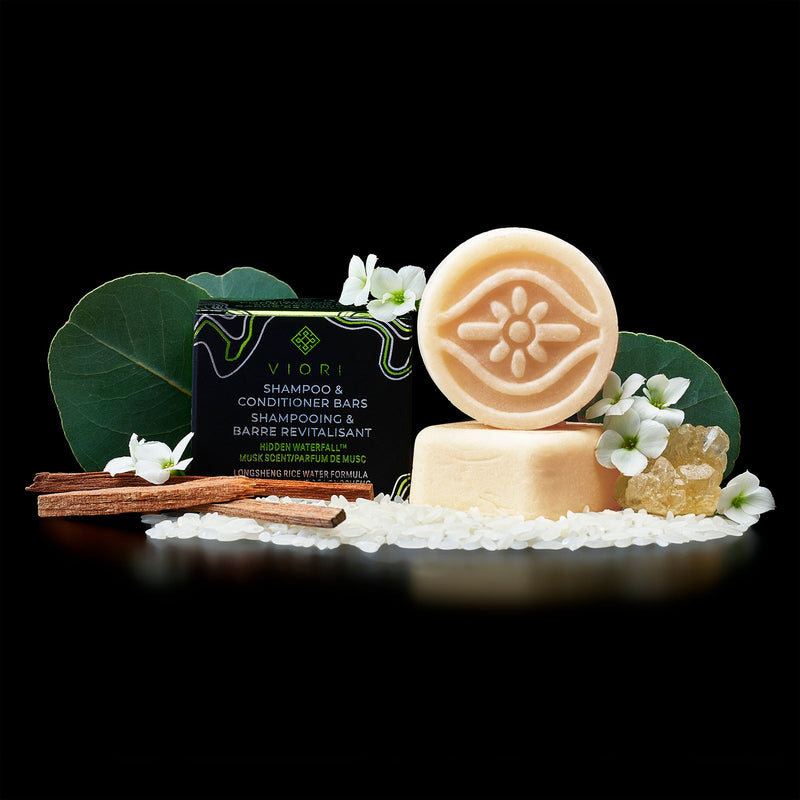
The best shampoo bar for a sensitive scalp is a mild, pH-balanced syndet bar with no added fragrance and a short, readable ingredient list. Introduce it on its own, patch test it first, and stop if your scalp stings, burns or turns red. If irritation keeps coming back, a dermatologist can help find the cause.
What to look for in a shampoo bar for a sensitive scalp
A sensitive scalp reacts easily. It may sting, itch, flush or feel hot after washing, even with products other people find gentle. The aim is to remove the most common triggers and keep everything else simple.
No added fragrance
Fragrance is one of the most common reasons skin reacts to personal care products. That includes essential oils, which are natural but still fragrant and can still irritate. If your scalp is reactive, start with a bar that has no added scent at all.
"Fragrance-free" versus "unscented"
These labels are not the same. "Fragrance-free" usually means no fragrance ingredients were added. "Unscented" can mean a product has no noticeable smell, sometimes because a masking scent was added. Read the ingredient list, not just the front label. Look for words like fragrance, parfum, or named flower, peel and leaf oils.
A mild syndet cleanser
Soap bars are alkaline, and that can leave a reactive scalp tight and uncomfortable. Syndet bars use detergents that can be made mild and pH balanced. Sodium cocoyl isethionate is a common mild cleanser in syndet bars. Bars built on harsh sulfates tend to be harder on sensitive skin.
A pH close to your skin's
Hair and scalp are mildly acidic, about 4.5 to 5.5. A shampoo near that range is less likely to disturb the skin's surface. If a brand does not state a pH or pH range, ask.
Soothing, simple support ingredients
Glycerin and aloe vera help hold water. Plant butters add softness. You do not need many extras. Every added ingredient is one more thing your skin could react to, so a focused formula is easier to live with.
Clean rinsing
Residue left on the scalp can itch. A good bar rinses away fully. If you notice a film, rinse longer and use less product.
How to use a shampoo bar on a sensitive scalp
- Patch test first. Make a little lather and dab it on the inside of your forearm or behind your ear. Leave it, rinse, and watch the spot for a day or two. Skip the bar if the skin turns red or itchy.
- Change one product at a time. If you switch shampoo, conditioner and styling products together, you will not know which one caused a reaction.
- Use lukewarm water. Hot water can leave a sensitive scalp more flushed and dry.
- Lather in your hands. Rub the bar between wet palms and apply the lather. This is gentler than dragging the bar across your scalp.
- Massage, do not scratch. Use your fingertips with light pressure. Nails and stiff brushes can irritate the skin.
- Rinse thoroughly. Make sure no lather is left near the hairline or behind the ears.
- Keep conditioner on the lengths. Most people with a sensitive scalp do best with conditioner on the mid-lengths and ends.
Once your scalp has been calm for a while, you can try a scented product if you want one. Introduce it the same careful way.
Which Viori bar fits
All Viori shampoo bars are syndet bars built on sodium cocoyl isethionate, a mild coconut-derived cleanser. They are formulated to stay between 3.5 and 6.5 pH, and they are sulfate-free, silicone-free and paraben-free with no synthetic preservatives. Each is made with fermented Longsheng rice water. For a sensitive scalp, these are the bars to consider.
Fragrance-Free Rice Water Shampoo Bar
This bar has nothing added for fragrance, and Viori calls its fragrance-free bars the most gentle it sells. It is made for anyone who reacts to fragrance, or simply does not want any. The ingredient list includes glycerin, aloe vera, shea butter and cocoa butter.
Fragrance-Free Rice Water Conditioner Bar
The matching conditioner, also with no added scent. It is made for anyone on a fragrance-free routine, including people with sensitive or reactive scalps. It is built on BTMS, cocoa butter and cetyl alcohol, and the lather is a paste rather than foam.
What customers are saying
Moisturizing Rice Water Shampoo Bar – Dry Scalp
Made for dry, tight scalps. It is scented, with fragrance and lavender flower oil, so it is not the first choice if fragrance is your trigger. Consider it if your scalp is sensitive to dryness rather than scent, and patch test it first.
When to see a dermatologist
A gentle shampoo can make washing more comfortable, but no shampoo bar can fix a skin condition. Book a visit if you notice any of these:
- Burning, stinging or itching that does not settle after you switch to fragrance-free products.
- A rash, swelling, oozing or crusting on the scalp, hairline, ears or neck.
- Thick scales, greasy yellow flakes or red patches.
- Hair loss or bald patches.
- A reaction that spreads beyond where the product touched.
A dermatologist can check for conditions that look alike and can do patch testing to find a specific allergy. Bring a list of the products you use, with their ingredients.
Common mistakes
- Trusting "natural" to mean gentle. Essential oils and plant extracts can irritate as easily as other fragrance.
- Switching everything at once. Change one product, wait, then change the next.
- Washing with very hot water. Warm or lukewarm is easier on reactive skin.
- Scrubbing an itchy scalp. Scratching damages the skin surface and keeps the cycle going.
If your main issue is tightness and dry flakes, see our guide to shampoo bars for dry scalp . Full ingredient answers are in the Viori FAQ .