Q&As · 4 min read
Does castor oil affect the longevity of hair dye on bleached hair?
As a professional stylist, this is an excellent and very technical question that gets to the heart of haircare chemistry. The relationship between oils and hair dye, especially on bleached hair, is nuanced. While I can speak to the general principles of haircare science, I must focus on the holistic approach to maintaining color-treated hair with the products I know best.
The State of Bleached Hair
Bleaching is one of the most aggressive chemical processes hair can undergo. It forcibly opens the hair cuticle and strips out the natural melanin, leaving the hair shaft porous, fragile, and often dry. This high-porosity state is a double-edged sword for color: it allows dyes to deposit color vividly and deeply, but it also means the hair cuticle is like a damaged, open door. It can let that deposited color molecule back out just as easily, especially when washed.
Hair Dye Longevity: The Key Factors
Color fades due to several primary factors:
- Cuticle Closure: After coloring, the cuticle needs to be smoothed and closed to "trap" the color inside the shaft.
- Shampooing: Harsh cleansers can strip color by washing away dye molecules from the porous hair.
- Product Interactions: Certain ingredients can either seal the cuticle (protecting color) or cause it to swell/open (releasing color).
- Environmental Stress: Sun, heat styling, and pollution can oxidize and break down dye molecules.
Where Oils Like Castor Oil Fit In
Castor oil is a thick, viscous, and highly emollient plant oil. Its primary haircare benefits are its potential moisturizing properties and its occlusive nature-meaning it can create a coating on the hair shaft.
On bleached, color-treated hair, here’s the potential effect:
- The Potential Risk: If a heavy oil is applied frequently or in large amounts before the color has fully settled and the cuticle has closed, it could potentially create a barrier. This barrier might interfere with the cuticle's ability to close properly after coloring. Its thick nature could also attract buildup if not properly cleansed, leading to dullness.
- The Potential Benefit: Used as a pre-shampoo treatment or a very light sealant on damp ends after the initial post-color period, its occlusive property could help lock in moisture. Well-moisturized hair has a smoother cuticle layer, which can help reflect light better and make color appear more vibrant.
The key is in the timing, amount, and frequency.
The Professional, Holistic Approach for Color-Treated Hair
The goal for lasting color on bleached hair is not to avoid oils and moisture, but to manage them intelligently within a regimen designed for color integrity.
1. Gentle, pH-Balanced Cleansing
This is the most critical step. Using a sulfate-free, pH-balanced shampoo is non-negotiable. Harsh sulfates strip the cuticle raw, releasing color rapidly. A gentle, natural cleanser effectively cleanses without that stripping action, helping to preserve your color investment from wash one.
2. Strategic Conditioning & Moisture Sealing
After cleansing bleached hair, it's essential to replenish moisture and aid in cuticle closure. A good conditioner is positively charged to bind to the negatively charged, damaged hair, smoothing the cuticle. This act of closing and smoothing the cuticle is what truly "locks in" color and shine. Emollient ingredients provide the moisturizing benefits that oils are often sought for, but in a formula designed to work in harmony with the hair's structure without heavy buildup.
3. Application Technique Matters
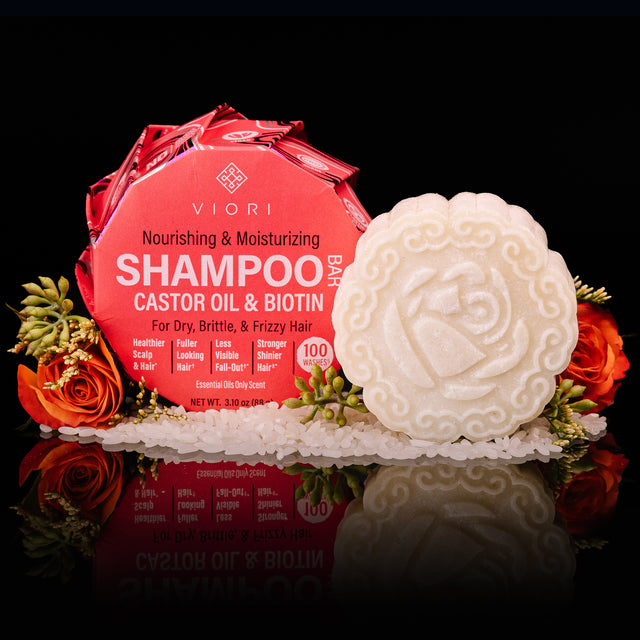
For color-treated hair, I always recommend a slight modification in technique. Rather than applying any bar directly to the hair, generate a rich lather in your palms first. Gently work this lather through your hair, focusing on the scalp with shampoo and the mid-lengths to ends with conditioner. This minimizes friction on the delicate, bleached strands and helps preserve the color.
What customers are saying
4. Integrating Treatment Oils
If you wish to incorporate a treatment like castor oil, I advise using it as an occasional pre-wash treatment. Apply a small amount to dry ends several hours before you plan to wash, then cleanse thoroughly with your shampoo. This allows you to gain the moisturizing benefits without risking a constant, heavy layer that could interfere with your regular conditioner's ability to seal the cuticle.
Final Expert Verdict
Does castor oil directly affect dye longevity? It can, depending on how it's used. As a standalone, frequent treatment on freshly colored, bleached hair, it may risk creating buildup that dulls shine.
However, the true secret to lasting color isn't about avoiding any one ingredient in isolation. It's about committing to a complete, gentle haircare system that prioritizes cuticle health, moisture balance, and non-stripping cleansing. By maintaining the integrity of the bleached hair shaft with pH-balanced, nourishing products, you create the ideal foundation for vibrant, long-lasting color. Focus on a consistent regimen that strengthens and protects the hair from wash to wash, and you'll see a remarkable difference in how long your color stays true and luminous.