
When someone types a search like “mikado spa shampoo”, they’re usually not just shopping for something that gets hair clean. They’re chasing a specific result: that spa-day finish where your scalp feels truly refreshed, your lengths feel buttery (not coated), your hair swings instead of sticking, and the whole experience feels calm, polished, and a little indulgent.
After 20 years doing hair, here’s what I’ve learned: “spa shampoo” isn’t a product category so much as a performance standard. It’s what happens when cleansing strength, pH, conditioning slip, and even application technique are all working together.
The “Spa Clean” Paradox: Clean Scalp, Soft Hair
The hardest thing to get right in haircare is the combination most people want: a deeply clean scalp without that squeaky, rough, overly “stripped” feeling through the mid-lengths and ends.
NOT SURE WHICH PRODUCT IS RIGHT FOR YOU?
TAKE THE QUIZTakes 30 seconds · 134,000+ customers matched
When cleansing is too aggressive, the hair cuticle can lift, strands catch on each other, and you’re left with tangles, frizz, dullness, and ends that feel like they need help immediately. When cleansing is too mild (or the wrong kind of conditioning clings to the wrong hair type), hair can feel heavy, flat, or filmy. Spa-quality results live in the middle-balanced, controlled, and intentional.
pH: The Quiet Difference Between Glossy and Grumpy Hair
One of the most overlooked reasons a shampoo feels “spa-level” (or not) is pH. Hair generally performs best when products sit in a mildly acidic range-commonly discussed as about 3.5-6.5. When products skew too alkaline, the cuticle tends to swell and lift, and that changes everything you feel during and after washing.
Viori makes a point of keeping its bars pH balanced, and that matters because pH doesn’t just affect softness-it affects how your hair behaves. A smoother cuticle reflects more light (shine) and snags less (less frizz and breakage).
There’s also a nuance most people never hear about: it’s not only the pH number-it’s the pH journey your hair goes through during cleansing. If hair swells dramatically mid-wash, you feel it as drag, tangling, and that “rough towel” sensation even before you rinse.
Why Spa Hair Feels So Slippery: It’s All About Friction and Charge
That “hands glide through the hair” feeling is not magic. It’s friction management.
Hair-especially if it’s lightened, damaged, or naturally porous-often carries more negative charge. Cleansing can make that more obvious, which is why some shampoos leave hair feeling grabby. Spa-level formulas reduce that grabby phase by pairing cleansing with smart conditioning support.
Viori’s conditioner bar uses Behentrimonium Methosulfate (BTMS), a conditioning ingredient prized in professional formulation for slip and detangling. It’s worth clearing up a common confusion: BTMS is not a harsh cleansing sulfate like the ones many people try to avoid. In haircare, it’s used for conditioning performance.
What good conditioning support can do for “spa feel”
- Improves wet combability (less snagging while hair is most fragile)
- Reduces static and flyaways
- Helps hair feel smoother and more polished after rinsing
- Makes detangling easier, especially for longer or textured hair
The Cleanser Choice: Lather That Feels Luxurious, Not Harsh
Foam isn’t everything-but the quality of lather strongly influences how “expensive” a wash feels. Dense, creamy foam tends to distribute better and encourages less over-scrubbing.
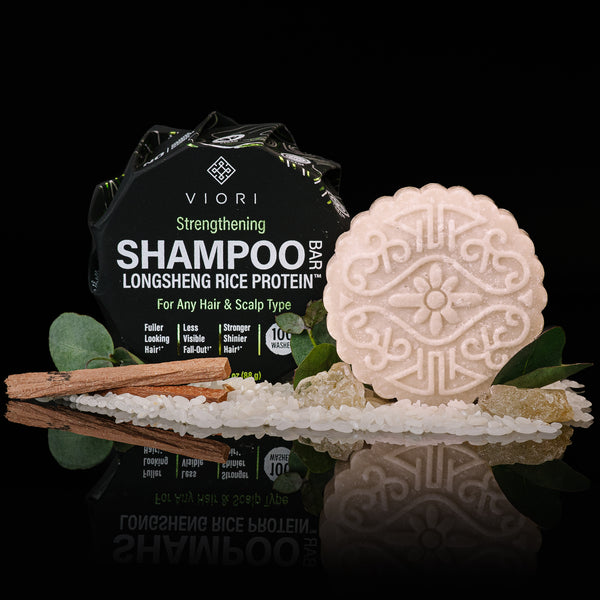
Viori’s shampoo bars use Sodium Cocoyl Isethionate (SCI) as the primary cleanser. It’s often called “baby foam” in the industry because it can lather beautifully while staying mild compared to harsher detergents. Done well, this is the kind of surfactant choice that supports that “clean but not punished” finish people associate with spa services.
Conditioned vs. Coated: The Deposition Balancing Act
The spa finish is soft, glossy, and touchable-but it still has movement. That comes down to deposition control: leaving just enough conditioning behind to smooth the hair without leaving so much that it drags the style down.
Viori’s conditioner bar structure is built to deliver slip and softness using a combination of conditioning support (like BTMS), plus ingredients that add glide and cushion-such as cetyl alcohol and stearic acid (these are fatty alcohols that support softness, not the drying alcohols people worry about). The formula also includes nourishing components like cocoa butter, shea butter, and rice bran oil, along with hair-supportive ingredients like hydrolyzed rice protein, vitamin B8 (inositol), and vitamin B5 (panthenol).
The Hair Detail That Changes Everything: Porosity
If you’ve ever wondered why a product that your friend loves makes your hair feel heavy (or why something “lightweight” makes your hair frizz), the answer is often porosity-your hair’s ability to absorb and retain moisture.
How porosity can change your “spa shampoo” experience
- Low-porosity hair tends to resist absorption and can be more prone to buildup. It often prefers lighter, cleaner routines and careful placement of conditioner.
- High-porosity hair absorbs quickly but loses moisture quickly. It usually needs more consistent conditioning and a gentler approach to handling.
Viori’s guidance reflects this: more cleansing-leaning options like Citrus Yao are often a better match for oilier scalps and low-porosity tendencies, while more moisturizing options like Terrace Garden or Native Essence can be a better fit for dry, porous, or easily frizzed hair.
“Spa Shampoo” Is Often a Scalp Issue Wearing a Hair Problem Costume
A lot of people say they want shinier hair, but what they’re really dealing with is an unhappy scalp-oil imbalance, irritation, or flakes that are driven by dryness rather than oil.
One thing I appreciate in Viori’s FAQs is that they separate common concerns more clearly than most brands do: recommendations differ depending on whether you’re dealing with oily scalp dandruff or dry scalp dandruff. And for the very common combination of oily scalp with dry ends, the most “spa-like” solution is often a split routine: cleanse the scalp appropriately and treat the ends more gently.
WHAT CUSTOMERS ARE SAYING
Real reviews for Hidden Waterfall Barra de Champú
Bar Shampoo Technique: The Small Adjustment That Makes a Big Difference
Bars can absolutely deliver a spa-level wash-but they’re less forgiving of rough technique. The biggest issue I see is friction, especially when someone rubs the bar directly down the hair shaft.
For color-treated hair in particular, Viori recommends a method I also prefer professionally: create lather in your hands and apply with your fingertips rather than scrubbing the bar directly on the head. It’s a simple switch that can help reduce tangling and unnecessary cuticle lift.
Try this pro-style method (especially if your hair tangles easily)
- Soak hair thoroughly-bars perform best with plenty of water.
- Rub the shampoo bar between your palms to build a creamy lather.
- Apply the lather to your scalp using fingertips, focusing on the roots.
- Let the suds rinse through the lengths rather than scrubbing the ends.
- Follow with conditioner on mid-lengths and ends (and let it sit a minute or two).
The Spa Signature Most People Forget: Scent (and the Option to Skip It)
Scent is more than a nice extra-it shapes how clean and luxurious your hair feels. Viori’s scents are intentionally distinct, from the green-floral freshness of Terrace Garden to the warm sweetness of Hidden Waterfall and the bright citrus lift of Citrus Yao. If you’re sensitive to fragrance or your scalp reacts easily, Native Essence is the unscented option-and in many cases, it’s the most “spa-like” choice because comfort is the whole point.
So What Should “Mikado Spa Shampoo” Mean for You?
If we translate the keyword into real-world performance, a spa-quality wash routine is typically:
- pH balanced to support smoother cuticle behavior
- Built with a mild cleanser that cleans without over-stripping
- Paired with conditioning support that reduces friction and improves slip
- Matched to your scalp type and porosity so hair feels light, not coated
- Applied with low-friction technique, especially in a bar format
That’s the real recipe behind the spa finish-clean, comfortable scalp and hair that feels smoother after you rinse than it did before you stepped into the shower.


